Picture this: I’m standing in my cramped kitchen, a half‑sliced chicken breast perched on the counter, and the smell of burnt garlic from last night’s experiment still clinging to the air. I swear I could hear the clatter of my neighbor’s blender, a reminder that nobody’s living in a culinary utopia. That evening, I was craving something that could turn that burnt mess into a masterpiece, something that would have me shouting, “I dare you to taste this and not go back for seconds!” The answer was a Tuscan chicken pasta that I discovered by accident while trying to salvage a forgotten bag of sun‑dried tomatoes.
The first time I tossed the chicken into a hot pan, the sizzle was like a tiny drumbeat announcing the start of a symphony. The olive oil glistened, and as the chicken browned, the aroma of Italian seasoning rose, promising a depth of flavor that would linger on the palate. When I added the garlic, the kitchen filled with a warm, comforting scent that made even my cat pause in curiosity. I could feel the heat radiating from the skillet, a tactile reminder that this dish was about to become something extraordinary. I tasted a bite, and the sauce coated the pasta like velvet, the cottage cheese adding a subtle creaminess that balanced the sun‑dried tomatoes’ tang. It was a revelation, a moment when a simple dinner turned into a culinary triumph.
What sets this version apart from every other Tuscan pasta out there is its bold, unapologetic layering of flavors and textures. I’ve taken the classic Tuscan base and added a creamy twist that feels both indulgent and surprisingly light. The cottage cheese doesn’t just replace cream; it creates a sauce that clings to the pasta, giving each bite a luxurious mouthfeel. The sun‑dried tomatoes bring a concentrated burst of umami, while the spinach offers a pop of color and a fresh, slightly peppery undertone. The red pepper flakes add a subtle heat that cuts through the richness, keeping the dish balanced and vibrant. Most importantly, the cooking method preserves the integrity of each ingredient, so you get that crispy chicken exterior, tender pasta, and a sauce that sings.
I’ll be honest—when I first tasted the finished dish, I ate half the batch before anyone else even got a spoon. That’s the power of this recipe: it’s so delicious that you’ll find yourself reaching for seconds, thirds, and maybe a fourth plate. By the end of this post, you’ll wonder how you ever made it any other way. Let me walk you through every single step, and I promise you’ll see why this is hands down the best version you’ll ever make at home.
What Makes This Version Stand Out
- Flavor Depth: The combination of sun‑dried tomatoes, garlic, and Italian seasoning creates a savory base that’s more complex than a simple tomato sauce.
- Creamy Texture: Cottage cheese replaces heavy cream, giving the sauce a silky finish without the heaviness.
- Balanced Heat: A pinch of red pepper flakes adds just enough kick to brighten the dish without overpowering the other flavors.
- Color Contrast: Fresh spinach adds a vibrant green hue that makes the plate visually stunning.
- Time Efficiency: The recipe takes under an hour from start to finish, making it ideal for busy weeknights.
- Versatility: Swap the pasta for gluten‑free or whole‑grain varieties, or replace chicken with shrimp for a seafood twist.
- Make‑ahead Friendly: Store in the fridge for up to 48 hours; the sauce only needs a quick reheat.
- Crowd‑Pleaser: The dish is so flavorful that even picky eaters will love it.
Alright, let's break down exactly what goes into this masterpiece...
Inside the Ingredient List
The Flavor Base
The foundation of this dish is the aromatic blend of olive oil, garlic, and Italian seasoning. Olive oil not only creates a smooth cooking surface but also carries the herbs into the sauce. Garlic adds a pungent kick that mellows into sweetness when sautéed. Italian seasoning is the unsung hero that brings oregano, basil, and thyme together into one harmonious bouquet. If you skip this step, the dish will feel flat and unremarkable.
The Texture Crew
Chicken breast, when seared to a golden brown, offers a satisfying chew that contrasts with the silky sauce. The penne pasta provides a sturdy backbone, its ridges perfect for holding onto the creamy coating. Fresh spinach, when added at the right moment, gives a tender yet vibrant green burst that doesn’t wilt into mush. Heavy cream adds a velvety richness, but the cottage cheese keeps it light, making the dish feel indulgent without being heavy.
The Unexpected Star
Sun‑dried tomatoes are the unsung hero that delivers concentrated umami and a slight tang. Their chewy texture adds a delightful contrast to the smooth sauce. If you’re missing them, roasted red peppers can mimic the sweetness and color. The red pepper flakes bring a subtle heat that keeps the dish from feeling too sweet or too bland.
The Final Flourish
Grated Parmesan cheese adds a nutty finish that ties everything together. It melts into the sauce, creating a glossy sheen that’s both appetizing and satisfying. A pinch of salt and pepper to taste allows you to adjust the seasoning to your palate, ensuring that the dish doesn’t feel either over‑seasoned or underwhelming. If you’re watching sodium, you can reduce the amount of Parmesan or use a low‑sodium cheese alternative.
Everything's prepped? Good. Let's get into the real action...
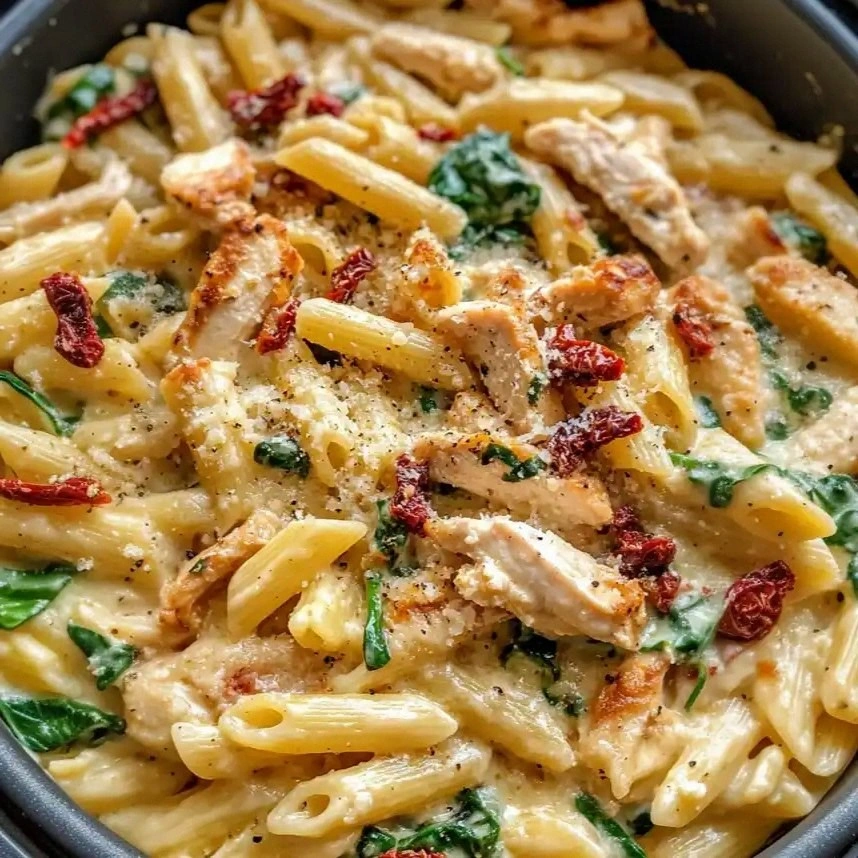
The Method — Step by Step
- Prep the chicken: Pat the chicken breasts dry and season both sides with salt, pepper, ½ teaspoon garlic powder, and 1 teaspoon Italian seasoning. The seasoning layer will create a flavorful crust when seared. Let the chicken rest for 5 minutes; this allows the flavors to penetrate the meat. This step is crucial for a juicy interior.
- Brown the chicken: Heat 1 tablespoon olive oil in a large skillet over medium‑high heat. Once the oil shimmers, add the chicken breasts. Sear for 3-4 minutes on each side until a golden crust forms. The sizzle is the soundtrack of success. Flip only once to avoid drying out the meat.
- Remove and set aside: Once browned, transfer the chicken to a plate and cover loosely with foil to keep it warm. This pause allows the juices to redistribute, ensuring the chicken stays moist.
- Start the sauce: In the same skillet, reduce heat to medium and add 1 tablespoon olive oil. Once hot, add 3 cloves minced garlic. Sauté for 30 seconds until fragrant; the aroma should hint at the savory base you’re building.
- Introduce the tomatoes: Stir in 1 cup sun‑dried tomatoes, chopped. Cook for 1 minute, letting the tomatoes release their juices and coat the garlic. The sauce should start to thicken slightly, indicating the flavors are marrying.
- Add the creamy core: Reduce heat to low, then pour in ½ cup heavy cream, 1 cup cottage cheese, and ¼ cup grated Parmesan. Stir until the mixture is smooth and glossy. The cottage cheese should melt into the cream, creating a velvety sauce that coats the pasta.
- Finish with greens: Toss in 2 cups fresh spinach and let it wilt for 1-2 minutes. The spinach should darken but retain its bright color, adding a fresh bite that balances the richness.
- Combine pasta and sauce: Return the browned chicken to the skillet, slice it into strips, and pour the cooked penne into the sauce. Toss everything together until the pasta is evenly coated. The final dish should be a harmonious blend of textures and flavors.
- Final flourish: Sprinkle ½ teaspoon red pepper flakes, 1 teaspoon Italian seasoning, and a pinch of salt and pepper to taste. Stir gently and taste; adjust seasoning as needed. The dish should have a balanced heat and depth of flavor.
- Serve: Plate the pasta on warmed bowls, garnish with extra Parmesan or fresh basil if desired. The aroma will be irresistible, and the first bite will confirm that you’ve created something truly special.
That's it — you did it. But hold on, I've got a few more tricks that'll take this to another level...
Insider Tricks for Flawless Results
The Temperature Rule Nobody Follows
Maintaining the right heat is essential. Start with high heat to sear the chicken, then reduce to medium or low for the sauce. This ensures the chicken stays juicy and the sauce doesn’t scorch. A common mistake is letting the sauce simmer too vigorously, which can cause the cottage cheese to curdle.
Why Your Nose Knows Best
Smell is the fastest way to gauge readiness. When the garlic starts to turn golden and the sauce emits a warm, buttery scent, you’re at the sweet spot. If you smell a burnt aroma, it’s time to lower the heat immediately.
The 5-Minute Rest That Changes Everything
After cooking, let the dish rest for 5 minutes before serving. This allows the flavors to meld and the pasta to absorb the sauce fully. A quick rest also gives the chicken a chance to re‑hydrate, preventing a dry bite.
The Quick Toss Technique
When adding the spinach, toss it quickly. A slow, deliberate addition will cause the leaves to wilt too much, resulting in a mushy texture. A brisk toss keeps the spinach crisp and bright.
The Secret to a Glorious Finish
Right before serving, add a drizzle of high‑quality extra‑virgin olive oil. This subtle splash enhances the sauce’s sheen and adds a final layer of flavor. It’s a small touch that makes the dish feel restaurant‑grade.
Creative Twists and Variations
This recipe is a playground. Here are some of my favorite ways to switch things up:
Mediterranean Flair
Swap the penne for orzo and add kalamata olives and chopped capers. The briny notes pair beautifully with the sun‑dried tomatoes, creating a dish that feels like a Mediterranean picnic.
Spicy Cajun Kick
Replace the Italian seasoning with Cajun spice blend and double the red pepper flakes. The dish becomes a bold, fiery version that’s perfect for those who love heat.
Vegan Version
Use tofu instead of chicken, a dairy‑free cottage cheese alternative, and skip the Parmesan. The result is a plant‑based pasta that still delivers on flavor.
Seafood Surprise
Swap chicken for shrimp or scallops. The quick cooking time of seafood means you can add it in the last minute, preserving its delicate texture.
Pesto Power
Stir in a spoonful of basil pesto after the sauce is finished. The herbal freshness brightens the dish and adds a new dimension to the creamy base.
Cheese Lover’s Dream
Add a handful of shredded mozzarella during the final toss. The cheese melts into the sauce, creating a gooey, indulgent coating that’s impossible to resist.
Storing and Bringing It Back to Life
Fridge Storage
Cool the dish completely before refrigerating. Store in an airtight container for up to 48 hours. The sauce will thicken slightly; a quick stir will restore its silky texture.
Freezer Friendly
For longer storage, freeze the pasta and sauce separately in freezer‑safe bags. Reheat in the microwave, stirring occasionally, and add a splash of milk or water to loosen the sauce.
Best Reheating Method
Reheat the dish on low heat in a saucepan, stirring frequently. Add a tiny splash of water before reheating to keep the sauce from drying out. The result will be a fresh, restaurant‑quality plate.