Picture this: it’s a humid Saturday night, the grill is smoking like a dragon with a cold, and you’ve just realized you’re out of the usual store‑bought shrimp cocktail sauce. Panic? Not a chance. I stared at the empty bottle, grabbed the nearest shrimp, and thought, “If I can’t find the sauce, I’ll make one that makes the shrimp sing.” That moment of desperation sparked the birth of what I now swear is the best shrimp marinade ever created. The kitchen was a chaos of clattering pans, the scent of garlic mingling with the faint citrus of lemon, and my heart pounding like a drum solo in a rock concert.
The first bite was a revelation. The shrimp tasted like a seaside sunrise—bright, briny, with a whisper of sweetness that lingered like a summer breeze. I could hear the sizzle as the marinated shrimp hit the hot pan, a sound that promised caramelized edges and juicy interiors. My senses were assaulted in the best possible way: the glossy sheen of the oil, the faint heat of cayenne teasing my nostrils, and the buttery richness that coated each piece like a silk scarf. I dared myself to taste it and not go back for seconds, and let me tell you, that dare failed spectacularly.
Most marinades out there either drown the shrimp in a swamp of oil or leave it as bland as a plain rice cake. This version, however, walks the tightrope between bold and balanced, delivering a flavor punch that’s both complex and comforting. The secret? A tiny dash of honey that tames the acidity, a splash of soy sauce that adds umami depth, and a pinch of smoked paprika that whispers smoky intrigue without overwhelming the delicate seafood. I’ll be honest—I ate half the batch before anyone else got a chance to try it, and that’s a confession I’m willing to own because it was that good.
Okay, ready for the game‑changer? I’m about to walk you through every single step—by the end, you’ll wonder how you ever made shrimp any other way. From the precise order of mixing ingredients to the exact moment you hear that perfect sizzle, I’ve got you covered. Stay with me here — this is worth it, and the payoff is a plate of shrimp that could convince even the most skeptical foodie to become a lifelong fan.
What Makes This Version Stand Out
- Flavor Explosion: The combination of citrus, soy, and honey creates a layered taste that evolves with each bite, delivering sweet, salty, and tangy notes in perfect harmony.
- Texture Perfection: A quick marination time locks in moisture, while the high‑heat sear forms a caramelized crust that’s crisp on the outside and buttery inside.
- Simplicity Meets Sophistication: Only pantry staples are needed, yet the result feels like it belongs on a five‑star restaurant menu.
- Unique Ingredient Twist: A hint of smoked paprika adds a subtle smokiness that most shrimp marinades completely miss.
- Crowd‑Pleaser Factor: Guests often claim they’ve never tasted shrimp this good, and they’ll be asking for the recipe before the plate is even cleared.
- Ingredient Quality Matters: Fresh, wild‑caught shrimp paired with high‑quality olive oil amplifies every nuance of the sauce.
- Cooking Method Flexibility: Works on grill, skillet, or even under a broiler, giving you freedom to adapt to any kitchen setup.
- Make‑Ahead Magic: The marinade can be prepared up to 24 hours ahead, allowing flavors to meld even deeper for a truly unforgettable bite.
Inside the Ingredient List
The Flavor Base
Olive Oil (¼ cup): This is the carrier that transports all the flavors into the shrimp’s flesh. It also helps achieve that gorgeous glossy finish once cooked. If you skip it, the shrimp will dry out faster and you’ll lose that luxurious mouthfeel.
Fresh Lemon Juice (3 tbsp): The acidity brightens the overall profile and cuts through the richness of the oil. It also helps tenderize the shrimp just enough without turning them mushy. In a pinch, lime works, but the flavor shift is noticeable.
Soy Sauce (2 tbsp): Provides a deep umami backbone that makes the other flavors pop. It also adds a subtle saltiness, allowing you to reduce added table salt. Opt for low‑sodium soy if you’re watching your sodium intake.
The Sweet & Spicy Duo
Honey (2 tbsp): Balances the acidity and adds a caramelized edge when seared. It also helps the shrimp develop a slight glaze that looks as good as it tastes. If you’re allergic, agave nectar is a suitable swap.
Smoked Paprika (1 tsp): Delivers a whisper of smokiness without needing a grill. It also contributes a beautiful reddish hue that makes the dish visually appealing. For extra heat, you can use chipotle powder, but keep it modest.
Cayenne Pepper (½ tsp): Gives the subtle kick that makes you reach for another bite. Too much and you’ll overpower the delicate shrimp, so measure carefully. A pinch of red pepper flakes can be used for a slightly different texture.
The Aromatic Crew
Garlic (3 cloves, minced): Garlic’s aromatic oils infuse the oil, creating a fragrant base that’s instantly appetizing. Over‑mincing can make it bitter, so a quick chop is sufficient. Roasted garlic can be used for a milder, sweeter note.
Fresh Ginger (1 tsp, grated): Adds a bright, zingy undertone that lifts the entire profile. It pairs beautifully with the citrus and soy, creating a mini‑Asian fusion vibe. If you’re not a fan, omit it; the dish will still shine.
Fresh Parsley (2 tbsp, chopped): Sprinkled in at the end, it adds a fresh, herbaceous finish that cuts through the richness. It also adds a pop of green color that makes the plating look restaurant‑ready. Cilantro works if you prefer its distinct flavor.
The Finishing Touches
Large Shrimp (1 pound, peeled & deveined): The star of the show—choose wild‑caught if possible for a sweeter, firmer texture. Over‑cooking will make them rubbery, so timing is crucial. If you prefer a larger bite, opt for jumbo shrimp, but adjust cooking time slightly.
Salt (1 tsp): Enhances all the other flavors and helps the shrimp retain moisture during cooking. If you used low‑sodium soy, you might want to increase this by a half‑teaspoon. Sea salt adds a subtle crunch when sprinkled just before serving.
Black Pepper (½ tsp, freshly ground): Adds a gentle warmth and a hint of spice without overwhelming the palate. Freshly cracked pepper releases essential oils that store‑bought pre‑ground lacks. Adjust to taste if you love a peppery punch.
Everything's prepped? Good. Let’s get into the real action…
The Method — Step by Step
First, whisk together olive oil, lemon juice, soy sauce, honey, smoked paprika, cayenne, minced garlic, and grated ginger in a large mixing bowl. The mixture should look glossy and slightly thick, like a sweet‑savory glaze. Power transition: This is the moment of truth—your sauce is about to become the shrimp’s best friend.
Kitchen Hack: Add the lemon juice after the oil to prevent the oil from solidifying; this keeps the emulsion smooth.Drop the peeled and deveined shrimp into the bowl, ensuring each piece is fully submerged. Toss gently with tongs for about 30 seconds—no need to over‑mix; you just want every shrimp coated. Let the shrimp sit in the marinade for at least 15 minutes; if you have time, cover and refrigerate for up to 2 hours for deeper flavor penetration.
While the shrimp marinates, preheat a heavy skillet (cast iron works wonders) over medium‑high heat. When the pan is hot enough that a few drops of water sizzle and evaporate instantly, you’re ready to add the shrimp. Watch Out: If the pan isn’t hot enough, the shrimp will release water and steam instead of sear, resulting in a soggy texture.
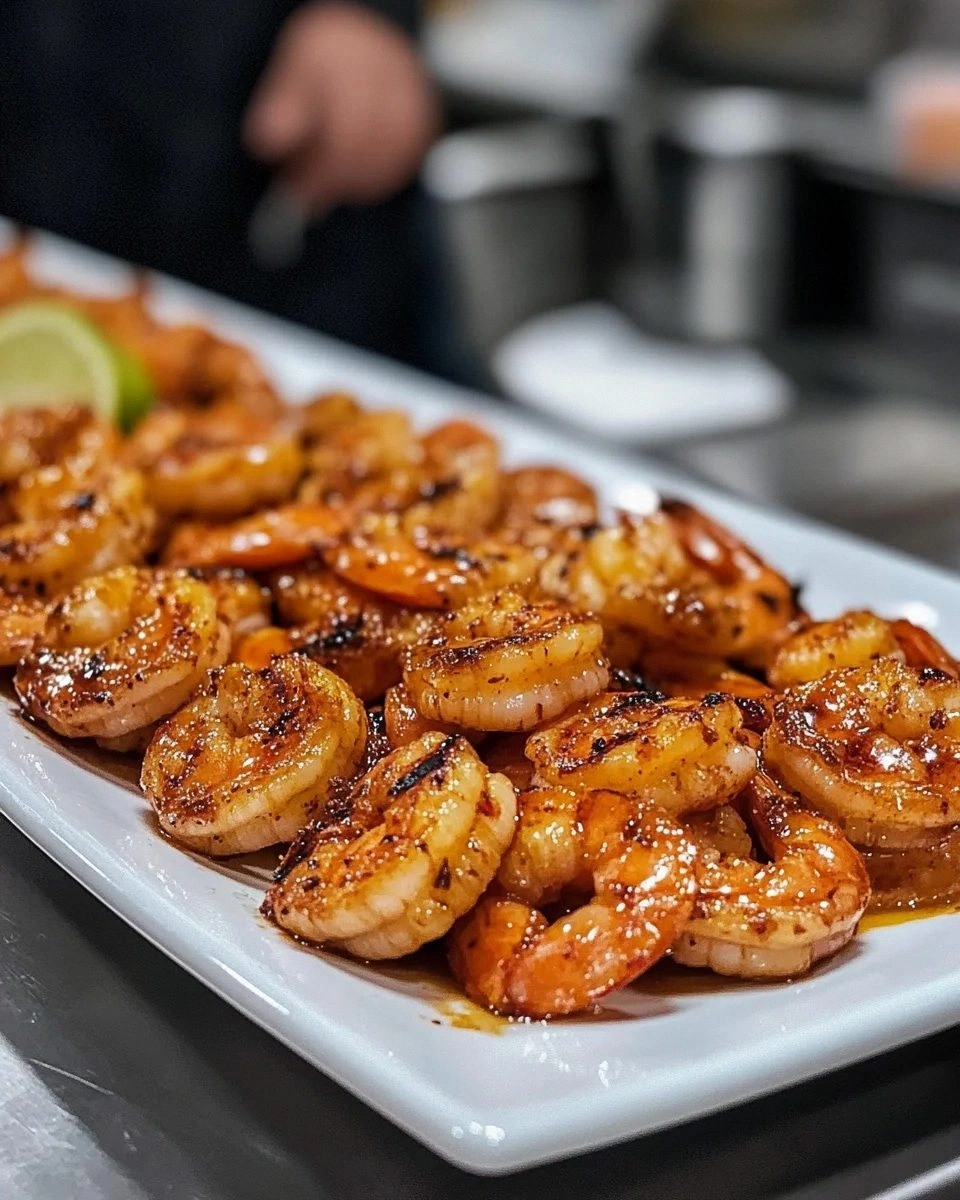
Watch Out: Overcrowding the pan drops the temperature; cook the shrimp in batches to maintain that coveted caramelized crust.Place the shrimp in a single layer, letting them sizzle without moving for about 1½ minutes. You’ll hear a confident pop that tells you the Maillard reaction is happening. Flip each shrimp using tongs; the underside should be a golden‑brown, slightly crisp edge that looks like a tiny sunset.
Cook the flipped side for another 1½ minutes, or until the shrimp turn opaque and curl into a gentle “C” shape. The interior should be just opaque white with a hint of pink at the edges—any longer and you risk a rubbery bite.
When the shrimp are done, remove the pan from heat and immediately drizzle the remaining pan juices over the shrimp. This step re‑infuses the meat with the sauce’s buttery richness and ensures every bite is moist.
Finish by sprinkling the freshly chopped parsley, a pinch of sea salt, and a grind of black pepper over the top. The parsley adds a burst of color and fresh aroma that lifts the whole dish.
Serve the shrimp hot, straight from the skillet, over a bed of rice, tossed in a light salad, or simply on a platter with lemon wedges. Picture yourself pulling this out of the pan, the whole kitchen smelling incredible, and guests leaning in for that first, unforgettable bite.
That’s it — you did it. But hold on, I’ve got a few more tricks that’ll take this to another level…
Insider Tricks for Flawless Results
The Temperature Rule Nobody Follows
Never let your pan sit cold while the shrimp are waiting. A hot pan guarantees a quick sear that locks in juices. I once tried a “low‑and‑slow” approach and ended up with limp shrimp that tasted like boiled rubber. Trust the heat, and the shrimp will thank you with a perfect crust.
Why Your Nose Knows Best
When the shrimp hit the pan, listen for that sharp sizzle—if it sounds more like a hiss, the pan isn’t hot enough. The aroma should shift from raw garlic to a sweet, caramelized perfume within seconds. If you can smell the honey caramelizing, you’re on the right track.
The 5‑Minute Rest That Changes Everything
After cooking, let the shrimp rest for exactly five minutes before serving. This short pause lets the juices redistribute, preventing them from spilling out when you bite. It’s the same principle chefs use for steaks, and it works wonders for seafood too.
Marinade Timing Mastery
While 15 minutes is the minimum, a full 2‑hour marination deepens the flavor layers dramatically. The acid in the lemon gently breaks down proteins, allowing the spices to permeate every crevice. Just don’t exceed 24 hours, or the texture will become mushy.
Salt Smart
Because soy sauce already contributes salt, I recommend tasting the sauce before adding extra. A light sprinkle of flaky sea salt right before serving adds a pleasant crunch and brightens the flavors. Too much salt can mask the delicate sweetness of the honey.
Creative Twists and Variations
This recipe is a playground. Here are some of my favorite ways to switch things up:
Spicy Mango Fusion
Swap half the lemon juice for mango puree and add a dash of chili oil. The result is a tropical heat that pairs beautifully with grilled pineapple. Ideal for summer BBQs where you want a sweet‑heat combo.
Garlic‑Butter Bliss
Replace olive oil with melted butter and double the garlic. The buttery richness turns the dish into a decadent indulgence, perfect for a romantic dinner. Serve over creamy risotto for an extra‑luxury feel.
Herb‑Infused Mediterranean
Introduce chopped oregano, thyme, and a splash of white wine. The herbs give a Mediterranean flair, while the wine adds acidity without overpowering the shrimp. Pair with a crisp rosé and a side of grilled vegetables.
Asian‑Style Glaze
Add a tablespoon of hoisin sauce and a drizzle of sesame oil. This creates a glossy, umami‑rich coating reminiscent of Korean BBQ. Garnish with toasted sesame seeds and sliced scallions for crunch.
Low‑Carb Keto Version
Omit the honey and replace it with a keto‑friendly sweetener like erythritol, and serve the shrimp over cauliflower rice. The flavors remain vibrant, and you stay within your macro goals.
Smoky Chipotle Kick
Swap smoked paprika for chipotle powder and increase cayenne by a pinch. The shrimp will have a deep, smoky heat that’s perfect for those who love bold flavors. Serve with a cool avocado dip to balance the heat.
Storing and Bringing It Back to Life
Fridge Storage
Transfer any leftover shrimp and sauce into an airtight container and refrigerate for up to 2 days. The flavors will continue to meld, making the next day’s leftovers even more flavorful. When reheating, add a splash of water or broth to restore moisture.
Freezer Friendly
Portion the cooked shrimp into freezer‑safe bags, removing as much air as possible. Freeze for up to 3 months. Thaw in the refrigerator overnight, then gently reheat in a skillet with a teaspoon of oil.
Best Reheating Method
Heat a non‑stick skillet over medium heat, add the shrimp, and splash in a tablespoon of water. Cover for 1‑2 minutes; the steam will revive the shrimp’s tenderness without drying them out. Avoid microwave reheating—it turns the shrimp rubbery.