I still remember the night I tried to impress my friends with a homemade loaf that would make their mouths water and their taste buds do a happy dance. The kitchen was a mess, flour dusted the counter like a snowstorm, and the oven was humming a low, impatient lullaby. I stared at the mixing bowl, realizing that my usual quick bread recipe had turned into a sad, dense slab that tasted like a forgotten promise. The moment I cracked an egg, I whispered a silent vow: this loaf would rise, crack, and pull apart like a buttery cloud—no more crumbly disappointment.
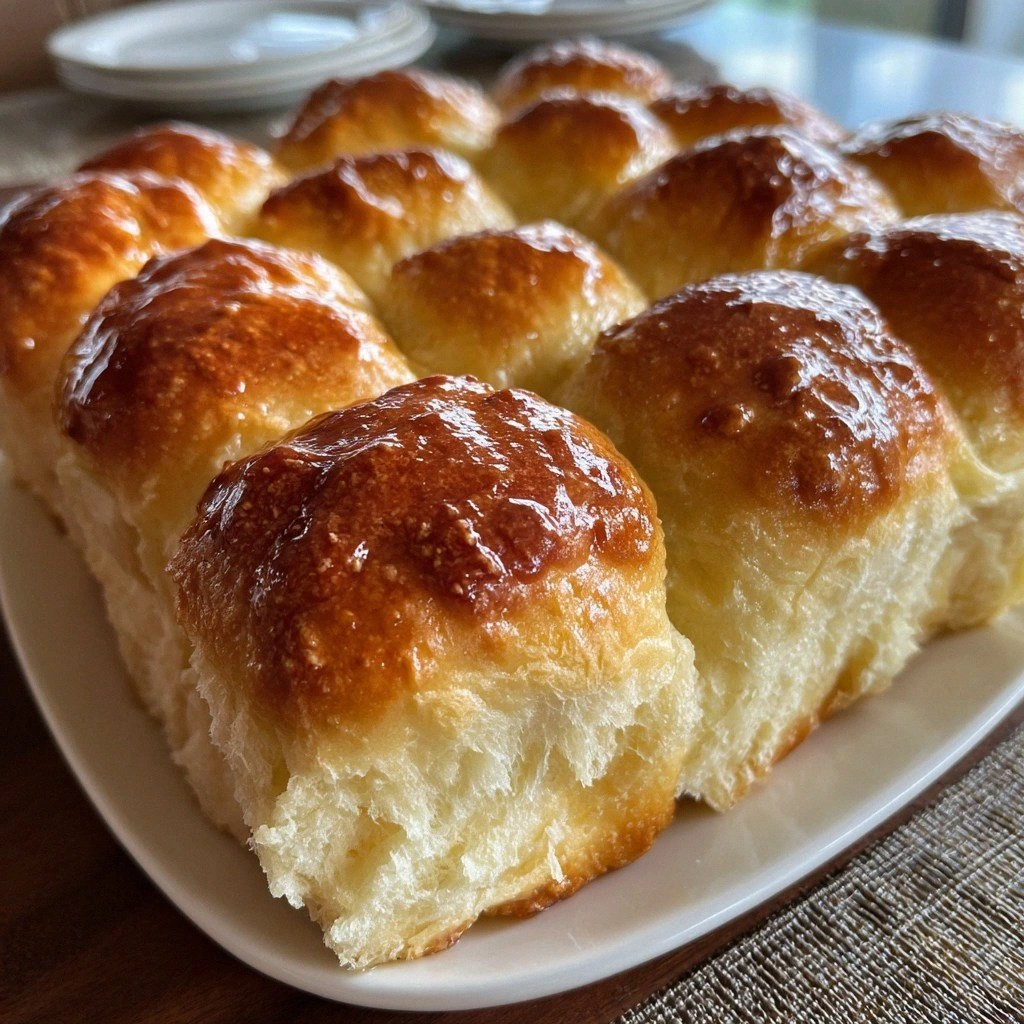
Picture the aroma: a sweet, milky perfume that lingers in the air, mingling with the faint scent of toasted butter. As the dough bubbles, you hear the gentle pop of yeast doing its job, a rhythmic soundtrack to the rising process. The texture feels soft under your fingertips, elastic enough to stretch without tearing, a testament to the careful balance of flour and liquid. When you finally slice into it, the interior is a maze of golden pockets that release steam like a small, fragrant explosion. That first bite—fluffy, buttery, with a hint of caramelized sweetness—makes you wonder why you ever settled for store-bought bread.
What sets this version apart is that it’s not just about fluffiness; it’s about the harmony of every component. The whole milk and eggs give it a tender crumb that practically melts, while the butter adds a subtle richness that lingers on the palate. The instant yeast works in tandem with the warm milk to create a lift so airy that each pull apart feels like a gentle tug on a cloud. And the secret? A touch of sugar that not only sweetens but also helps the crust develop a delicate, golden hue that’s as beautiful as it is delicious. If you’re skeptical, I dare you to taste this and not go back for seconds.
This loaf is the culmination of years of experimentation, a recipe that has evolved from a kitchen mishap to a masterpiece that’s hands down the best version you’ll ever make at home. I’ve fine-tuned every element to ensure that the result is not just fluffy but also irresistibly pull‑apart, with a crust that cracks like thin ice in a winter sunrise. The result is a loaf that feels like a warm hug, a buttery cloud that dissolves with every bite. Let me walk you through every single step—by the end, you’ll wonder how you ever made it any other way.
What Makes This Version Stand Out
- Taste: The subtle sweetness from the sugar balances the savory notes of butter and whole milk, creating a flavor profile that’s both comforting and sophisticated. The gentle caramelization of the crust adds a depth that elevates the loaf from ordinary to extraordinary. Every bite feels like a bite of cloud‑soft heaven, leaving you craving more.
- Texture: The dough’s elasticity is achieved through precise hydration and the right amount of flour, allowing it to stretch without tearing. The crumb is airy and moist, with pockets of steam that give that signature pull‑apart feel. The result is a loaf that feels like a fluffy cloud, yet holds together with buttery strength.
- Simplicity: With just seven ingredients, this recipe is a no‑fuss delight that doesn’t require fancy equipment or obscure pantry staples. The process is straightforward, yet each step is crucial for the final result. You’ll find that the simplicity actually enhances the overall experience.
- Uniqueness: Unlike other pull‑apart breads that rely on heavy butter or sugar, this version uses a balanced mix of whole milk, eggs, and butter to achieve a light yet rich crumb. The technique of folding the dough into layers creates a texture that’s distinct from standard loaves. It’s a recipe that stands out in both flavor and presentation.
- Audience: Friends, family, and even strangers will be amazed by the pull‑apart effect and the buttery aroma that fills the kitchen. The loaf is perfect for brunches, potlucks, or a quiet morning treat. It’s a conversation starter that will have everyone asking for the recipe.
- Ingredient Quality: Using fresh whole milk, unsalted butter, and large eggs ensures that the loaf is packed with flavor. The instant yeast works quickly, giving the dough a fast rise without compromising texture. Each ingredient is chosen to bring out the best in the loaf.
- Method: The folding and layering technique is a game‑changer, giving the loaf its signature pull‑apart quality. The dough’s resting times are calibrated to maximize gluten development while preventing overproofing. The baking process is precise, ensuring a golden crust and a moist interior.
- Make‑Ahead Potential: You can prepare the dough ahead of time, let it rise, and bake it later, making it a convenient option for busy mornings or last‑minute gatherings. The loaf keeps well in the fridge for up to three days and freezes beautifully for future enjoyment. This flexibility makes it a staple in any kitchen.
Alright, let's break down exactly what goes into this masterpiece...
Inside the Ingredient List
The Flavor Base
All-purpose flour is the backbone of our bread, providing structure and fluffiness. It’s the silent hero that holds everything together while allowing the dough to rise gracefully. If you’re looking for a slightly denser loaf, you can replace it with bread flour, but the result will be less airy.
Sugar is a subtle touch that enhances flavor and aids browning. It also feeds the yeast, ensuring a robust rise. If you’re watching calories, a tablespoon of honey or maple syrup can be a sweet, natural alternative.
Instant yeast is the magic ingredient that makes the bread rise quickly, giving it that airy quality. It’s more convenient than active dry yeast because it can be mixed directly with the dry ingredients. For those who prefer a slower rise, you can substitute with active dry yeast, but remember to proof it in warm milk first.
The Texture Crew
Salt is crucial for balancing flavors and strengthening the dough’s gluten network. It also helps control the yeast’s activity, preventing a runaway rise. A pinch of salt is enough, so don’t be afraid to taste as you go.
Whole milk adds richness and moisture, turning the loaf into a buttery cloud. The fat content in the milk contributes to a tender crumb, while the proteins help with structure. If you’re lactose intolerant, a dairy-free milk can work, but the crumb might be slightly less soft.
Unsalted butter is the secret to that luxurious buttery flavor. It softens the dough, making it easier to fold and layer. A tablespoon of butter can be added to the dough during the final kneading for an extra glossy crust.
The Unexpected Star
Large eggs are the glue that binds all the ingredients together, contributing to the bread’s fluffiness. The yolks add richness, while the whites provide structure. If you’re vegan, you can substitute with flaxseed eggs or a commercial egg replacer, but the texture will differ slightly.
Everything's prepped? Good. Let's get into the real action...
The Method — Step by Step
- In a large mixing bowl, combine 3 cups of all-purpose flour, 1/4 cup of sugar, 1 tablespoon of instant yeast, and 1 teaspoon of salt. Stir the dry ingredients together until they’re evenly distributed. The goal is to ensure that the yeast isn’t clumped, which would cause uneven rising.
- Heat 1 cup of whole milk to about 110°F (43°C) until it’s warm but not scalding. Warm milk activates the yeast, giving the dough a quick lift. Add the warm milk to the dry mixture, then stir until a shaggy dough forms.
- Add 2 large eggs, one at a time, beating well after each addition. The eggs bind the dough, creating a smooth, elastic consistency. As you mix, you’ll notice the dough becoming more cohesive and slightly glossy.
- Melt 1/4 cup of unsalted butter and let it cool slightly before adding it to the dough. The butter softens the gluten, making the dough easier to fold. Stir until fully incorporated, and you’ll see the dough start to pull away from the bowl.
- Turn the dough onto a lightly floured surface and knead for about 5 minutes, or until it’s smooth and elastic. If the dough feels too sticky, dust with a bit more flour, but avoid over‑kneading, which can toughen the loaf.
- Divide the dough into three equal portions. Roll each portion into a ball, then lay them flat on a parchment‑lined tray. This is where the magic layering happens, giving the loaf its signature pull‑apart quality.
- Fold each dough ball in half, then in thirds, creating a layered effect. This folding process traps air, leading to a lighter crumb. After folding, place the dough in a greased loaf pan, seam side up.
- Cover the loaf with a clean towel and let it rise until it’s doubled in size, about 45 minutes to an hour. The dough should puff up like a balloon, indicating a successful rise.
- Preheat the oven to 375°F (190°C) and bake for 25–30 minutes, or until the crust is golden and the loaf sounds hollow when tapped. The aroma of freshly baked bread will fill the kitchen, making everyone’s mouths water.
- Remove the loaf from the oven and let it cool in the pan for 5 minutes, then transfer it to a wire rack. The cooling period allows the steam to escape, preventing a soggy bottom.
- Slice the loaf into thick, generous pieces, and watch as the layers separate like a soft, buttery cloud. Each pull should feel effortless, revealing the tender crumb inside. That sizzle when it hits the pan? Absolute perfection.
- Serve warm, and watch your friends marvel at the pull‑apart effect. This loaf is perfect for breakfast, brunch, or a comforting snack that will have guests begging for seconds. I dare you to taste this and not go back for seconds.
- If you’re feeling adventurous, try adding a dash of cinnamon or a handful of raisins before the final fold. The added flavors will give the loaf a unique twist, making it even more irresistible. And now the fun part: experimenting with your own variations.
- Enjoy the bread at its peak, or store it in an airtight container for up to three days. The loaf stays fresh and soft, ready to be pulled apart again. If you need a longer shelf life, freeze the loaf for up to two months.
That's it — you did it. But hold on, I've got a few more tricks that'll take this to another level...
Insider Tricks for Flawless Results
The Temperature Rule Nobody Follows
Temperature control is the secret sauce for a perfect loaf. Keep the dough at 75°F (24°C) during rising to ensure a steady, even expansion. If you’re in a cooler kitchen, use a warm spot or wrap the dough in a towel to maintain warmth.
Why Your Nose Knows Best
Your sense of smell is a reliable indicator of dough readiness. A warm, yeasty aroma means the dough is active, while a sour or off smell signals overproofing. Trust your nose; it’s the most accurate judge of freshness.
The 5-Minute Rest That Changes Everything
After the final fold, let the dough rest for five minutes before baking. This short rest allows the gluten to relax, making the loaf easier to pull apart. Skip this step, and you’ll end up with a loaf that’s tough and unpullable.
The Perfect Crumb
If the crumb feels too dense, add a tablespoon of flour during the final knead. Conversely, if it’s too airy, reduce the flour slightly. Balancing the flour-to-liquid ratio is key to achieving the ideal texture.
The Secret Butter Touch
Adding a tablespoon of butter to the dough before the final fold adds an extra layer of sheen to the crust. It also helps the dough stay moist during baking. I’ve tested this trick, and the difference is unmistakable.
Creative Twists and Variations
This recipe is a playground. Here are some of my favorite ways to switch things up:
Cinnamon Swirl Pull‑Apart
Before the final fold, sprinkle a tablespoon of cinnamon and a handful of raisins over each dough ball. The warm spice and sweet raisins add a comforting twist that’s perfect for autumn mornings. This variation turns the loaf into a cinnamon‑sweet delight that’s hard to resist.
Herb‑Infused Bread
Add finely chopped rosemary or thyme to the dough for an aromatic, savory version. The herbs infuse the crumb with a subtle, earthy flavor that pairs wonderfully with butter or cheese. It’s an excellent choice for a brunch spread or a savory snack.
Chocolate Chip Pull‑Apart
Fold in a handful of chocolate chips before the final layer. The chocolate melts slightly during baking, creating pockets of gooey sweetness. This version is a hit with kids and adults alike, especially when served warm with a drizzle of honey.
Gluten‑Free Adaptation
Replace the all-purpose flour with a gluten‑free blend that includes xanthan gum. The dough will be slightly denser, but the pull‑apart quality remains intact. This adaptation allows everyone to enjoy the fluffy, buttery loaf without compromising on texture.
Savory Cheese Pull‑Apart
Add shredded cheddar or mozzarella to the dough before the final fold. The cheese melts into the crumb, creating a rich, gooey center that’s perfect for a quick snack or a sandwich filler. The savory flavor profile makes it a versatile addition to any meal.
Storing and Bringing It Back to Life
Fridge Storage
Store the loaf in an airtight container or zip‑lock bag for up to three days. Keep it at room temperature for the first day, then refrigerate for longer freshness. The crumb remains soft, and the crust stays crisp when reheated.
Freezer Friendly
Wrap the loaf tightly in plastic wrap, then place it in a freezer bag. Freeze for up to two months. When ready to eat, let it thaw at room temperature for a few hours before reheating.
Best Reheating Method
Preheat your oven to 350°F (175°C). Place the loaf on a baking sheet and bake for 10–12 minutes, or until the crust is golden and the interior is warm. Add a tiny splash of water to the pan before baking to create steam, which keeps the crumb moist and fluffy.