
Vegetable Soup
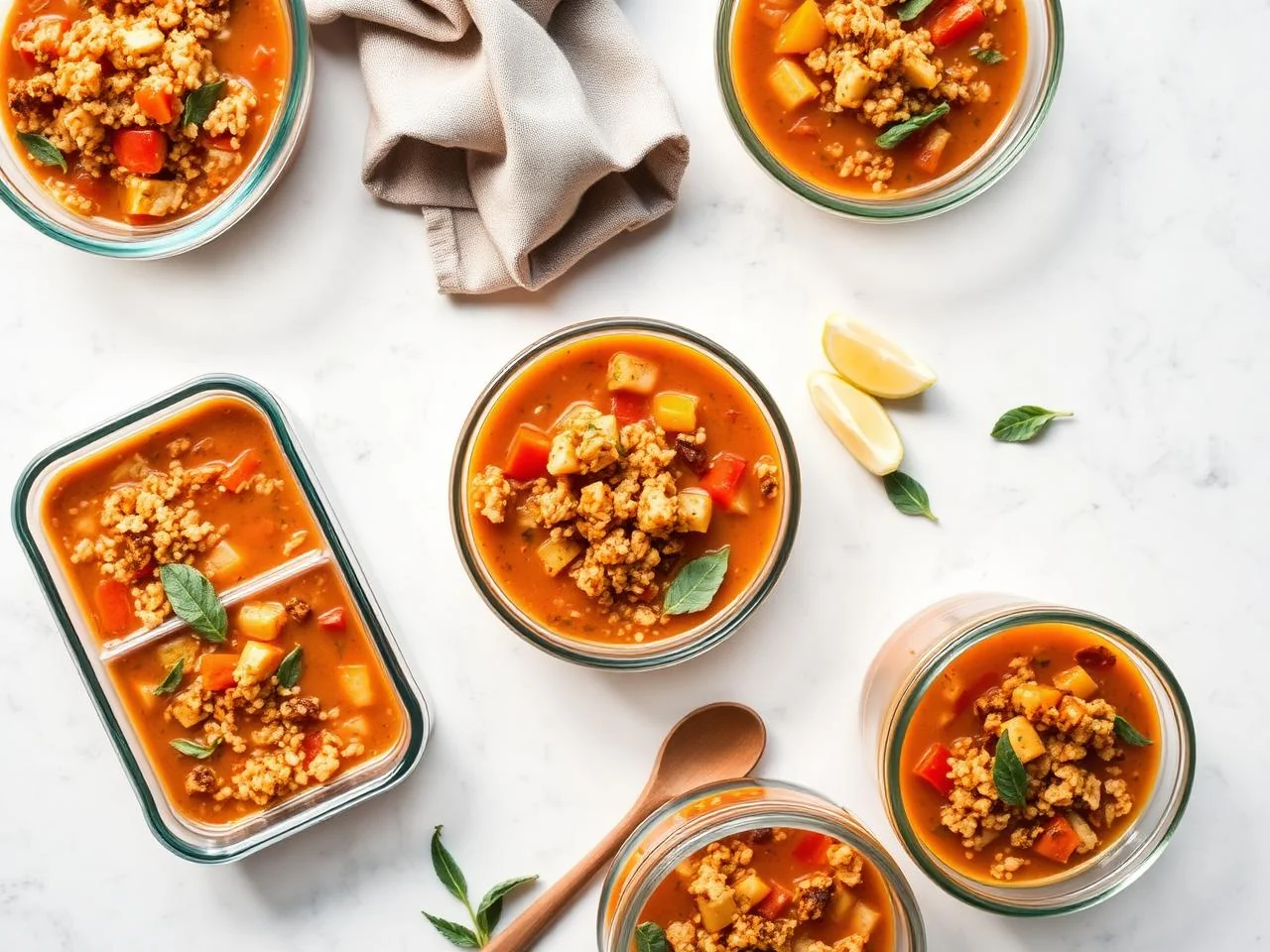
I still remember the first time I made vegetable soup from scratch. It was a chilly winter evening, and I was looking for a comforting meal that would warm my soul. As I simmered the vegetables in a flavorful broth, the aroma filled my kitchen, and I knew I had created something special. Since then, vegetable soup has become a staple in my household, and I'm excited to share my recipe with you.
This vegetable soup recipe is more than just a collection of ingredients; it's a technique that allows you to create a delicious and nourishing meal that's perfect for any time of the year. Whether you're a busy professional looking for a quick lunch or a parent seeking a healthy dinner option for your family, this recipe is sure to become a favorite.
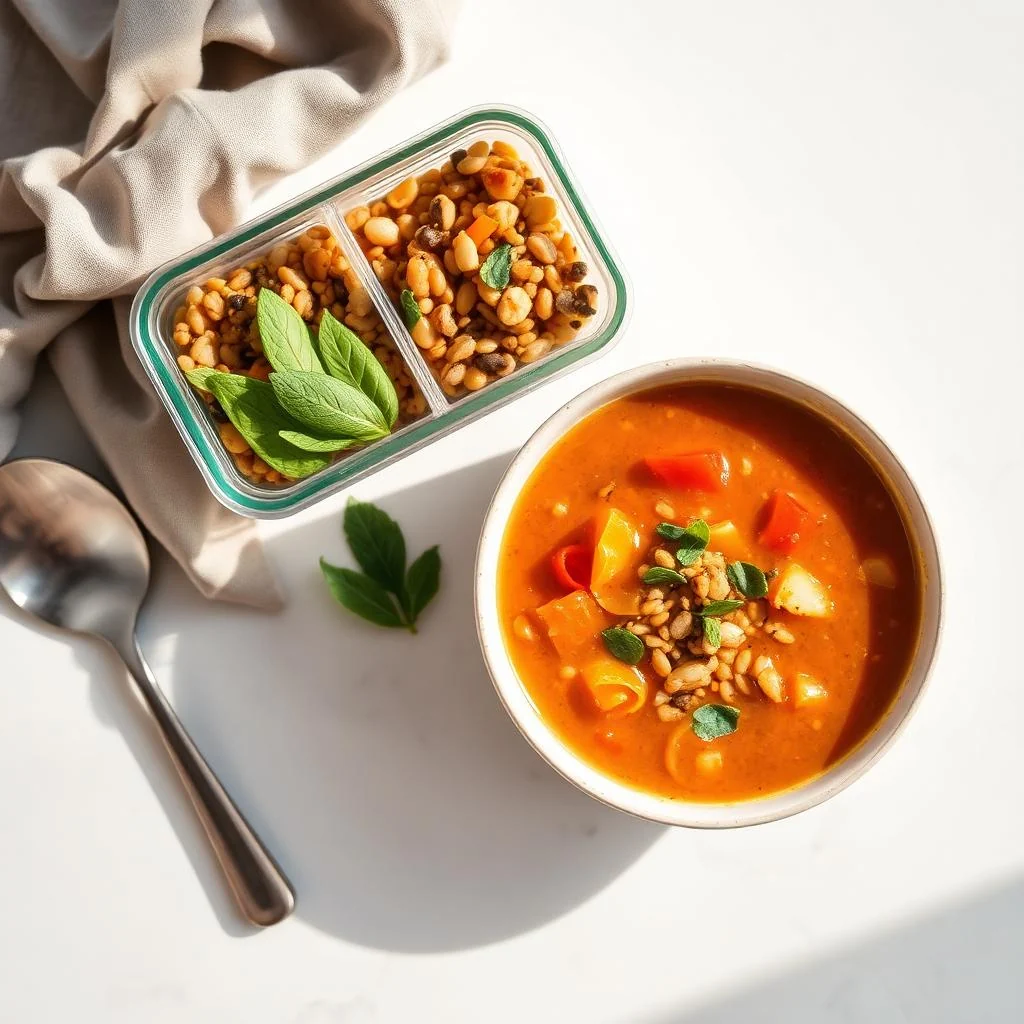
One of the things I love about this recipe is its versatility. You can use a variety of vegetables, such as carrots, potatoes, and zucchini, and adjust the seasoning to suit your taste. The soup also freezes well, making it an excellent option for meal prep. Simply portion the soup into individual containers, label, and freeze for up to three months.
In this recipe, I'll guide you through the process of making vegetable soup from scratch. We'll start with the basics, including selecting the right ingredients and equipment, and then move on to the cooking technique. By the end of this article, you'll have the confidence to create a delicious and satisfying vegetable soup that will become a staple in your household.
So, let's get started! Whether you're a seasoned cook or a beginner, this recipe is sure to delight your taste buds and provide you with a nourishing meal that will keep you going all day long.
Why You’ll Love This Recipe
- This vegetable soup recipe is easy to make and requires minimal ingredients.
- It's a great way to use up leftover vegetables and reduce food waste.
- The soup is highly customizable, allowing you to add your favorite vegetables and seasonings.
- It's a nutritious and filling meal option that's perfect for any time of day.
- The soup freezes well, making it an excellent option for meal prep.
- It's a budget-friendly recipe that's easy on the wallet.
- The soup is a great way to get your daily dose of vitamins and minerals.
Why This Recipe Works
The key to a great vegetable soup is using a combination of aromatic vegetables, such as onions, garlic, and celery, to create a rich and flavorful broth. By sautéing these vegetables in a little bit of oil, we bring out their natural sweetness and depth of flavor, which serves as the foundation for the rest of the soup.
Another important aspect of this recipe is the use of a variety of vegetables, each with its own unique texture and flavor. By combining these vegetables in a way that allows them to cook evenly, we create a harmonious balance of flavors and textures that is both satisfying and delicious.
The cooking technique used in this recipe is also crucial. By simmering the vegetables in a flavorful broth, we allow them to cook slowly and gently, which helps to preserve their texture and flavor. This technique also allows us to extract the maximum amount of flavor from the vegetables, resulting in a rich and satisfying soup.
Ingredients You’ll Need
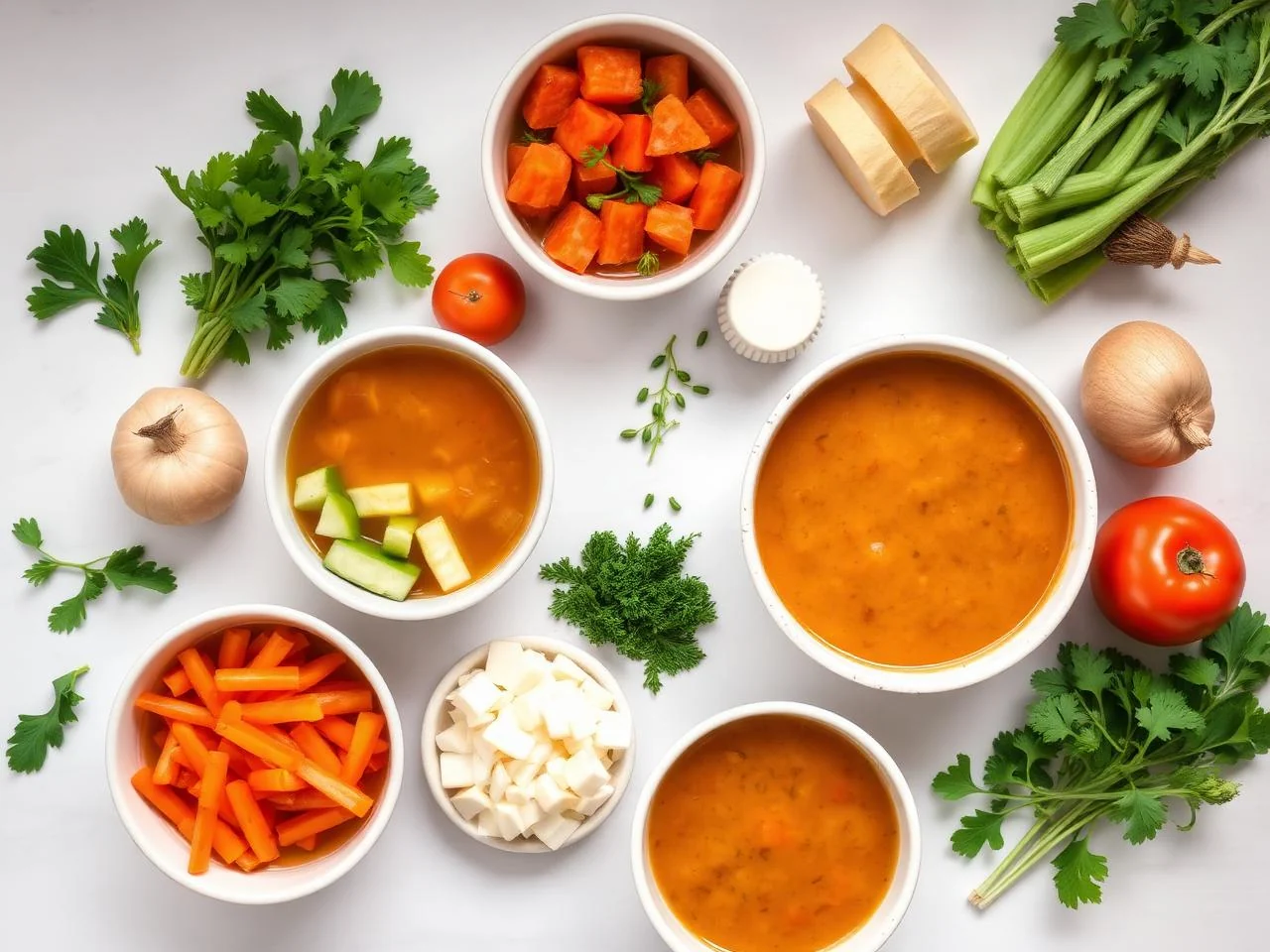
When it comes to making vegetable soup, the ingredients are just as important as the technique. In this recipe, we'll be using a variety of vegetables, including carrots, potatoes, and zucchini, as well as some aromatic vegetables like onions and garlic. We'll also be using a combination of chicken and vegetable broth to create a rich and flavorful soup.
When selecting your ingredients, be sure to choose fresh and high-quality vegetables. You can also use leftover vegetables or frozen vegetables if you prefer. Just be sure to adjust the cooking time accordingly.
- 2 tablespoons olive oilOlive oil is used to sauté the aromatic vegetables and add flavor to the soup. You can also use other oils like coconut or avocado oil if you prefer.
- 1 large onion, choppedOnions add a sweet and savory flavor to the soup. Be sure to chop them finely so they cook evenly.
- 3 cloves garlic, mincedGarlic adds a pungent flavor to the soup. You can adjust the amount to your taste.
- 2 medium carrots, peeled and choppedCarrots add a sweet and crunchy texture to the soup. Be sure to chop them into bite-sized pieces.
- 2 medium potatoes, peeled and choppedPotatoes add a starchy and filling texture to the soup. Be sure to chop them into bite-sized pieces.
- 1 medium zucchini, choppedZucchini adds a light and refreshing flavor to the soup. Be sure to chop it into bite-sized pieces.
- 4 cups chicken brothChicken broth adds a rich and savory flavor to the soup. You can also use vegetable broth if you prefer.
- 2 cups waterWater is used to thin out the soup and add moisture. You can adjust the amount to your taste.
- 1 teaspoon dried thymeThyme adds a savory and slightly bitter flavor to the soup. You can adjust the amount to your taste.
- 1/2 teaspoon saltSalt is used to enhance the flavor of the soup. Be sure to use a high-quality salt like sea salt or kosher salt.
- 1/4 teaspoon black pepperBlack pepper adds a sharp and savory flavor to the soup. You can adjust the amount to your taste.
Equipment You’ll Need
How to Make Vegetable Soup
- 1Heat the olive oil in a large pot or Dutch oven over medium heat. Add the chopped onion and cook until it's translucent and starting to caramelize, about 8-10 minutes.
- 2Add the minced garlic and cook for an additional 1-2 minutes, until fragrant.
- 3Add the chopped carrots, potatoes, and zucchini. Cook for 5-7 minutes, until they start to soften.
- 4Pour in the chicken broth and water. Bring the mixture to a boil, then reduce the heat to low and simmer for 20-25 minutes, until the vegetables are tender.
- 5Use an immersion blender to puree the soup until it's smooth. Alternatively, you can transfer the soup to a blender and blend until smooth, then return it to the pot.
- 6Stir in the dried thyme, salt, and black pepper. Taste and adjust the seasoning as needed.
- 7Simmer the soup for an additional 10-15 minutes, until it's heated through and the flavors have melded together.
- 8Use the Instant-read thermometer to check the internal temperature of the soup. It should be at least 165°F.
- 9Serve the soup hot, garnished with fresh herbs or a sprinkle of grated cheese if desired.
- 10Let the soup cool to room temperature, then refrigerate or freeze it for later use.
Expert Tips
- Use a variety of vegetables to add texture and flavor to the soup.
- Don't overcook the vegetables, as they can become mushy and unappetizing.
- Use a high-quality broth to add depth and richness to the soup.
- Adjust the seasoning to taste, as the soup can be quite bland if not seasoned properly.
- Consider adding other ingredients, such as cooked chicken or beans, to make the soup more substantial.
- Experiment with different spices and herbs to add unique flavors to the soup.
- Make a big batch of soup and freeze it for later use. It's a great way to have a quick and easy meal on hand.
Common Mistakes to Avoid
- Not cooking the vegetables long enough, resulting in a crunchy or raw texture.
- Overcooking the vegetables, resulting in a mushy or unappetizing texture.
- Not seasoning the soup properly, resulting in a bland or unappetizing flavor.
- Not using a high-quality broth, resulting in a weak or uninspired flavor.
- Not adjusting the seasoning to taste, resulting in a soup that's too salty or too bland.
- Not freezing the soup properly, resulting in a soup that's icy or unappetizing.
Variations and Substitutions
- Add cooked chicken or beans to make the soup more substantial.
- Use different types of vegetables, such as sweet potatoes or kale, to add unique flavors and textures.
- Add a splash of cream or coconut milk to give the soup a rich and creamy texture.
- Use different spices and herbs, such as cumin or paprika, to add unique flavors to the soup.
- Add a squeeze of fresh lemon juice to brighten the flavors and add a touch of acidity.
- Use a variety of broths, such as chicken or beef broth, to add depth and richness to the soup.
- Add some heat to the soup with a diced jalapeno or red pepper flakes.
What to Serve With Vegetable Soup
Serve the vegetable soup hot, garnished with fresh herbs or a sprinkle of grated cheese if desired. You can also serve it with a side of crusty bread or a green salad for a more substantial meal.
Consider adding some crusty bread or crackers to the soup for a fun and easy snack. You can also use the soup as a base for other dishes, such as a vegetable stew or a hearty soup with added protein.
Make-Ahead, Storage, Freezing and Reheating
To store the vegetable soup, let it cool to room temperature, then refrigerate or freeze it for later use. The soup will keep in the fridge for up to 5 days and in the freezer for up to 3 months.
To freeze the soup, portion it into individual containers or freezer bags, making sure to label and date them. When you're ready to eat it, simply thaw the soup overnight in the fridge or reheat it in the microwave or on the stovetop.
When reheating the soup, be sure to heat it to an internal temperature of at least 165°F to ensure food safety. You can also add some fresh herbs or a squeeze of lemon juice to brighten the flavors and add a touch of freshness.
Consider making a big batch of soup and freezing it for later use. It's a great way to have a quick and easy meal on hand, and it's perfect for meal prep or a busy weeknight dinner.
Frequently Asked Questions
Can I use frozen vegetables in this recipe?
Yes, you can use frozen vegetables in this recipe. Just be sure to thaw them first and adjust the cooking time accordingly.
Can I add other ingredients to the soup?
Yes, you can add other ingredients to the soup, such as cooked chicken or beans, to make it more substantial. Just be sure to adjust the seasoning and cooking time accordingly.
How long does the soup keep in the fridge?
The soup will keep in the fridge for up to 5 days. Just be sure to store it in an airtight container and reheat it to an internal temperature of at least 165°F before eating.
Can I freeze the soup?
Yes, you can freeze the soup for up to 3 months. Just be sure to portion it into individual containers or freezer bags, making sure to label and date them.
How do I reheat the soup?
You can reheat the soup in the microwave or on the stovetop. Just be sure to heat it to an internal temperature of at least 165°F to ensure food safety.
Can I make the soup ahead of time?
Yes, you can make the soup ahead of time. Just be sure to store it in the fridge or freezer and reheat it to an internal temperature of at least 165°F before eating.
Is the soup gluten-free?
Yes, the soup is gluten-free, making it a great option for those with gluten intolerance or sensitivity.
Can I use a slow cooker to make the soup?
Yes, you can use a slow cooker to make the soup. Just be sure to brown the vegetables and cook the soup on low for 6-8 hours or high for 3-4 hours.
Ingredients
- 2 tablespoons olive oil
- 1 large onion, chopped
- 3 cloves garlic, minced
- 2 medium carrots, peeled and chopped
- 2 medium potatoes, peeled and chopped
- 1 medium zucchini, chopped
- 4 cups chicken broth
- 2 cups water
- 1 teaspoon dried thyme
- 1/2 teaspoon salt
- 1/4 teaspoon black pepper
Instructions
- Heat the olive oil in a large pot or Dutch oven over medium heat. Add the chopped onion and cook until it's translucent and starting to caramelize, about 8-10 minutes.
- Add the minced garlic and cook for an additional 1-2 minutes, until fragrant.
- Add the chopped carrots, potatoes, and zucchini. Cook for 5-7 minutes, until they start to soften.
- Pour in the chicken broth and water. Bring the mixture to a boil, then reduce the heat to low and simmer for 20-25 minutes, until the vegetables are tender.
- Use an immersion blender to puree the soup until it's smooth. Alternatively, you can transfer the soup to a blender and blend until smooth, then return it to the pot.
- Stir in the dried thyme, salt, and black pepper. Taste and adjust the seasoning as needed.
- Simmer the soup for an additional 10-15 minutes, until it's heated through and the flavors have melded together.
- Use the Instant-read thermometer to check the internal temperature of the soup. It should be at least 165°F.
- Serve the soup hot, garnished with fresh herbs or a sprinkle of grated cheese if desired.
- Let the soup cool to room temperature, then refrigerate or freeze it for later use.