I still remember the night I tried to recreate that lobster dinner my cousin had brought home from a fancy restaurant. The kitchen was a battlefield: the skillet was smoking, the garlic had turned into a bitter black mass, and the lobster was still a hard, unappetizing chunk of meat. I was staring at the pot of overcooked pasta, feeling the sting of disappointment. That moment was the spark that set me on a mission to master the perfect lobster and scallop pasta, a dish that would turn any kitchen disaster into a triumphant triumph.
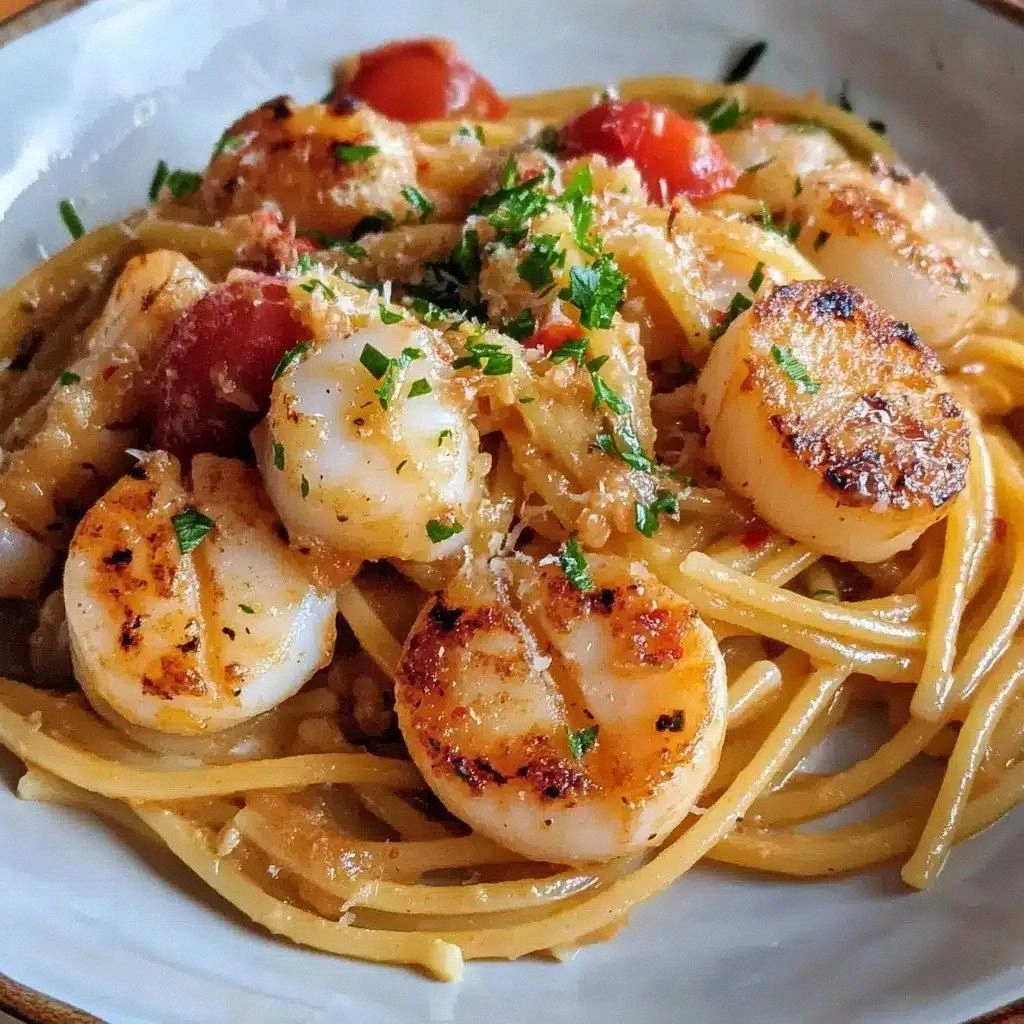
Picture this: the moment the first scallop lands in the hot pan, the sizzle is a crisp applause that announces the start of something spectacular. The aroma of garlic and butter rises, mingling with the faint scent of white wine that promises depth and sophistication. Your senses are bombarded with the glistening sheen of the seafood, the golden crust of the pasta, and the subtle sparkle of lemon zest that hints at bright citrus. The texture is a delightful contrast—soft lobster meat, tender scallops, al dente linguine, and a silky sauce that coats every strand like velvet. It’s a symphony of flavors that makes your taste buds sing and your heart skip a beat.
What makes this version stand out from the endless sea of recipes is that it balances luxury and simplicity in a way that feels both indulgent and approachable. I’ve refined the sauce to have a light, creamy finish that doesn’t overpower the delicate seafood, yet it’s rich enough to feel like a decadent treat. The pasta is cooked to the perfect al dente bite, providing a sturdy base that holds the sauce without becoming mushy. Every ingredient is selected for maximum flavor: fresh lobster, high‑quality scallops, and a splash of lemon that brightens the dish. The result is a dish that feels like a gourmet experience while still being doable in a regular home kitchen.
And here’s the kicker: I discovered a secret technique that turns ordinary linguine into a silky, glossy canvas for the sauce, eliminating the need for an extra pan or fancy equipment. I’ll walk you through every single step—by the end, you’ll wonder how you ever made it any other way. I dare you to taste this and not go back for seconds.
What Makes This Version Stand Out
- Flavor: The sauce is a delicate balance of butter, cream, and lemon that coats the pasta like velvet while the garlic provides a subtle kick.
- Texture: Lobster and scallops are seared to a golden crust, creating a satisfying bite that contrasts with the silky sauce.
- Ingredient Quality: Fresh, high‑grade seafood is the cornerstone—nothing less than premium lobster and scallops will deliver the same depth.
- Cooking Method: A single‑pan technique keeps the dish streamlined, saving time while maximizing flavor.
- Crowd Reaction: This dish turns any dinner into a memorable event; guests will keep asking for the recipe.
- Make‑Ahead Potential: The sauce can be prepared ahead and reheated without losing its silky texture, making it ideal for entertaining.
Inside the Ingredient List
The Flavor Base
The foundation of this dish is a buttery, garlicky sauce that sings with citrus. Olive oil and butter form the base, providing a rich canvas that lifts the seafood’s natural sweetness. Garlic, minced to the perfect bite, releases a mellow aroma that lingers in every mouthful. White wine is added to deglaze, extracting browned bits from the pan that add depth. Lemon zest and juice brighten the sauce, cutting through the richness and adding a fresh, zesty finish. Capers, if you’re feeling adventurous, bring a briny pop that complements the oceanic flavors.
The Texture Crew
The pasta is the silent hero, offering a firm bite that balances the softness of the sauce and the seafood. Linguine is my go‑to because its long, flat strands hold sauce beautifully. Heavy cream is folded in just before the finish, creating a silky, luscious coating that glistens on the pasta. Parmesan cheese adds a nutty, savory note and helps thicken the sauce to the perfect consistency. Fresh parsley provides a burst of green, a touch of color, and a hint of earthiness that ties everything together. A pinch of red pepper flakes adds a subtle heat that awakens the palate without overwhelming the delicate flavors.
The Unexpected Star
Lobster meat is the star that commands attention. I use fresh, shucked lobster tails, which give a sweet, succulent bite that melts in your mouth. Scallops add a tender, slightly sweet flavor that complements the lobster’s richness. Together they create a layered seafood experience that feels both luxurious and comforting. The combination of lobster and scallops is a classic that never disappoints, especially when paired with the right sauce.
The Final Flourish
Seasoning is the final touch that brings harmony to the dish. Salt to taste is added during cooking, ensuring the flavors are balanced. Freshly ground black pepper adds a subtle heat and complexity. A final splash of butter at the end of cooking adds a glossy sheen and deepens the flavor profile. The dish is served immediately, allowing the sauce to cling to the pasta and seafood like a silk ribbon. The presentation is simple yet elegant, with a sprinkle of parsley and a wedge of lemon for that extra pop of color.
Everything's prepped? Good. Let's get into the real action.
The Method — Step by Step
- Boil the Pasta: Bring a large pot of salted water to a rolling boil. Add linguine and cook for 8-9 minutes until al dente. Stir occasionally to prevent sticking. Drain, reserving a cup of pasta water for later. Set aside, tossing with a splash of olive oil to keep it from clumping.
- Prepare the Seafood: Pat the lobster and scallops dry with paper towels. Season each piece lightly with salt and pepper. This step ensures a beautiful sear and enhances flavor. Keep the seafood at room temperature for a few minutes before cooking.
- Sear the Lobster: Heat a large skillet over medium‑high heat. Add a tablespoon of olive oil. When the oil shimmers, place the lobster pieces skin‑side down. Sear for 3-4 minutes until golden and slightly caramelized. Flip and cook for an additional 2 minutes.
- Sear the Scallops: In the same pan, add a tablespoon of butter. Once melted, add scallops, ensuring they’re not crowded. Sear each side for 2 minutes until a golden crust forms. The scallops should be firm to the touch, not mushy. Remove and set aside with the lobster.
- Make the Sauce: Reduce heat to medium. Add minced garlic and diced shallot to the pan, sautéing until translucent. Pour in the white wine, scraping the bottom to lift the caramelized bits. Let the wine reduce by half, concentrating the flavor.
- Introduce Cream: Stir in heavy cream and bring to a gentle simmer. Add the lemon zest and juice, allowing the sauce to thicken slightly. Season with salt and pepper, adjusting to taste. If the sauce feels too thick, add reserved pasta water a tablespoon at a time.
- Combine Pasta and Seafood: Return the cooked linguine to the skillet. Toss gently to coat with the sauce. Add lobster and scallops back into the pan, letting them warm through for 1-2 minutes. The pasta should be glossy and the seafood should be heated without overcooking.
- Finish with Butter: Stir in a tablespoon of butter for a glossy sheen. The butter adds depth and a silky finish that makes the dish feel luxurious. Let the butter melt completely, swirling it into the sauce.
- Garnish and Serve: Sprinkle chopped parsley over the top for a burst of color. Add a wedge of lemon on the side for an extra citrus lift. Plate the pasta, ensuring each forkful has a balanced mix of seafood and sauce. Serve immediately, as the sauce is best enjoyed fresh.
- Optional Touch: If you want a hint of spice, sprinkle a pinch of red pepper flakes before serving. This adds a subtle heat that pairs well with the citrus. Alternatively, finish with a drizzle of high‑quality olive oil for an extra layer of flavor.
That’s it — you did it. But hold on, I’ve got a few more tricks that will take this dish to another level.
Insider Tricks for Flawless Results
The Temperature Rule Nobody Follows
Many chefs think that high heat is always better for searing, but the secret is to start at medium‑high and then lower to medium once the seafood hits the pan. This prevents the exterior from burning while the interior remains underdone. I’ve learned that a quick flip at 180°C gives a caramelized crust that locks in juices. If you’re using a cast‑iron skillet, pre‑heat it for at least five minutes to achieve an even sear. Always keep an eye on the pan; if the oil starts to smoke, it’s time to lower the heat.
Why Your Nose Knows Best
When the garlic starts to turn golden and the wine reduces, your nose should alert you to the impending finish. A bright, buttery aroma means the sauce is ready. If the scent becomes too sharp or burnt, you’ve over‑cooked the aromatics. Trust your olfactory senses; they’re often the most reliable indicator of flavor progression. A quick sniff test can save you from a ruined sauce.
The 5‑Minute Rest That Changes Everything
After searing the seafood, let the pan rest for five minutes before adding the sauce. This brief pause allows the juices to redistribute, enhancing flavor. It also gives the pan a chance to cool slightly, preventing the sauce from boiling too quickly. Many cooks skip this step, resulting in a watery sauce. I swear by the rest; it’s a game‑changer.
The Secret to Al Dente Pasta
Use a pinch of salt in the boiling water to season the pasta from the inside out. Stir the pasta immediately after adding it to the pot; this keeps the strands separate. Cook the pasta one minute less than the package instructions for a firmer bite. Drain and rinse with a splash of cold water to stop the cooking process. Toss the pasta with a bit of olive oil to prevent sticking.
How to Avoid a Curdled Sauce
Keep the heat low once you add the cream; a gentle simmer is key. Stir constantly to keep the cream from separating. If the sauce starts to look grainy, add a splash of pasta water and whisk vigorously. Adding the butter at the end helps emulsify the sauce, giving it a silky finish. Remember, patience is the secret to a smooth sauce.
Creative Twists and Variations
This recipe is a playground. Here are some of my favorite ways to switch things up:
Mediterranean Flair
Swap the lemon zest for a splash of orange zest and add sun‑dried tomatoes for a sweet, tangy bite. Use a handful of kalamata olives for briny depth and finish with fresh basil instead of parsley. This version feels like a sunny Mediterranean picnic, with the seafood taking center stage.
Spicy Cajun Twist
Introduce a tablespoon of Cajun seasoning to the garlic and shallot sauté. Add a pinch of cayenne pepper for heat that lingers on the palate. Finish with a sprinkle of chopped green onions for crunch. The dish becomes a bold, smoky adventure that pairs beautifully with a chilled rosé.
Herb Garden Surprise
Replace parsley with a mix of fresh dill, tarragon, and chives. Add a handful of spinach to the sauce for color and nutrition. The herbs give the dish an aromatic, garden‑fresh feel that elevates the seafood flavor. This version is perfect for spring and summer gatherings.
Pesto Power
Swirl in a generous spoonful of basil pesto before adding the cream. The pesto infuses the sauce with a nutty, herbaceous tone that complements the lobster. Finish with a drizzle of pine nuts for a satisfying crunch. This variation feels like a luxurious, plant‑based twist on the classic.
Asian Influence
Replace the white wine with a splash of Shaoxing wine and add a teaspoon of fish sauce for umami depth. Stir in a pinch of sesame oil at the end for a fragrant finish. Top with sliced scallions and toasted sesame seeds. The result is a fusion dish that marries the sweetness of seafood with bold, savory flavors.
Storing and Bringing It Back to Life
Fridge Storage
Cool the pasta and sauce to room temperature before refrigerating. Transfer the dish to an airtight container and store in the fridge for up to 2 days. The sauce may thicken slightly; a splash of milk or cream can restore its silky texture when reheating. Keep the seafood separate if you want to reheat it individually to avoid overcooking.
Freezer Friendly
Freeze the pasta and sauce in a freezer‑safe container for up to 3 months. When ready to serve, thaw overnight in the refrigerator. Reheat gently on the stove, adding a splash of pasta water to loosen the sauce. Avoid microwaving, as it can separate the cream. A quick stir will bring the dish back to life.
Best Reheating Method
Reheat on low heat, stirring frequently to prevent the sauce from separating. Add a small splash of water or broth to keep the sauce from drying out. If the pasta seems dry, whisk in a teaspoon of butter or cream for a glossy finish. Serve immediately for the best texture and flavor.