I still remember the night the kitchen exploded like a tiny volcano—my carrot soup turned into a caramelized mess, and my friends stared at the charred pot with a mix of awe and horror. That disaster sparked a mission: to craft a carrot ginger soup that sings on the tongue, dazzles the eyes, and feels like a hug in a bowl. I spent hours rummaging through my pantry, testing ratios, and tasting in the heat of the stove until the broth simmered into a silky, golden elixir. The result? A soup that balances earthy sweetness with zesty zing, creamy texture without dairy, and a finish that lingers like a secret handshake between flavors. If you think carrot soup is just a side dish, think again. This version turns a humble root into the centerpiece of any meal, and trust me, it will make your friends question why they ever settled for bland. And if you’re skeptical, let me walk you through every single step—by the end, you’ll wonder how you ever made it any other way.
Picture this: a pot of bubbling broth, the scent of fresh ginger dancing with caramelized onions, and the sight of carrots glistening like tiny orange suns. The sound of the stove’s gentle hiss, the feel of the ladle dipping into the velvety liquid, and the first spoonful that melts on your tongue—sweetness, spice, and cream all in one. The moment you taste it, you’ll be tempted to reach for seconds, and I dare you to taste this and not go back for more. Most recipes get this completely wrong, leaving you with a watery, bland soup; here, the technique and ingredients work in perfect harmony. Picture yourself pulling this out of the oven, the whole kitchen smelling incredible, and knowing you’ve crafted a dish that’s both comforting and sophisticated. If you've ever struggled with a carrot soup that turns out dry or too sweet, you're not alone—and I've got the fix.
I’ll be honest—when I first tried this, I ate half the batch before anyone else got a spoon. The secret lies in the subtle balance of heat from ginger, the depth from sautéing aromatics, and the richness from coconut milk. Every step is designed to bring out the carrots’ natural sweetness while preventing them from turning mushy or overcooked. I’ve experimented with different broths, but vegetable stock gives a clean backdrop that lets the carrots and ginger shine. The trick is to let the carrots cook just until they’re tender but still hold a slight bite—think of them as the perfect garnish, not the main act. And if you’re craving a bit of crunch, sprinkle toasted almonds on top for a nutty contrast. The result is a soup that coats the palate like velvet, leaving a lingering warmth that feels like a cozy blanket.
I’ve spent countless evenings in the kitchen, tweaking ratios, adding a splash of citrus, or swapping coconut milk for oat milk, but this version is hands down the best you’ll ever make at home. The flavor profile is layered: a gentle sweetness from the carrots, a bright kick from fresh ginger, and a subtle coconut undertone that balances everything. The texture is silky yet with a hint of carrot bite, and the finish is brightened by a squeeze of lemon that lifts the flavors. Most people overlook the power of aromatics—my sautéed onion and garlic create a foundation that makes the soup feel complete. The crowd reaction is always enthusiastic; friends rave about how it’s both comforting and adventurous. If you’ve ever wanted a soup that’s both simple and sophisticated, this recipe is your new go-to.
Alright, let’s break down exactly what goes into this masterpiece. From the moment you chop the carrots to the final garnish, every ingredient plays a role in creating that unforgettable flavor. I’ll walk you through each component, why it matters, and how you can tweak it to suit your taste. This isn’t just a recipe; it’s a lesson in flavor harmony, technique, and kitchen confidence. So grab your cutting board, and let’s get started.
What Makes This Version Stand Out
Flavor Depth: The combination of sautéed onions, garlic, and fresh ginger builds a rich base that elevates the natural sweetness of carrots.
Texture Balance: Carrots are cooked to just the right tenderness—soft enough to blend but still offering a subtle bite that keeps the soup interesting.
Cream without Dairy: Coconut milk provides a silky mouthfeel while keeping the dish vegan and lactose‑free.
Fresh Brightness: A squeeze of lemon juice at the end cuts through the richness, adding a lively, citrusy note that wakes the palate.
Versatility: This soup can be served as a light starter, a hearty main, or a comforting side—adapt it to any meal plan.
Time Efficiency: Prep takes 15 minutes, cook 30, and the entire process is under an hour—perfect for busy weekdays.
Make‑Ahead Friendly: It stores well in the fridge for up to 3 days or freezes for up to a month, making it ideal for meal prep.
Alright, let's break down exactly what goes into this masterpiece...
Inside the Ingredient List
The Flavor Base
Carrots, peeled and chopped: They’re the star of the show, delivering natural sweetness and a vibrant color. Using fresh carrots instead of canned ensures a cleaner, more vibrant flavor. If you’re short on time, baby carrots can be a convenient shortcut, but they’ll cook faster, so keep an eye on them. The quantity—4 cups—provides enough bulk to make the soup hearty without diluting the taste.
Onion, diced: Sautéed until translucent, it forms the aromatic backbone of the soup. A medium onion yields about 1 cup, which is the perfect amount to add depth without overpowering the carrots. If you prefer a sweeter onion, try a Vidalia or a sweet onion variety. Skipping the onion will leave the soup flat; it’s the difference between a good soup and a great one.
Garlic, minced: Garlic adds a punch of umami that balances the sweetness. Three cloves provide a subtle but unmistakable aroma. If you’re not a fan of garlic, you can reduce the amount to two cloves, but be warned—the soup will feel a bit lighter.
The Texture Crew
Olive oil: Two tablespoons of good‑quality extra‑virgin olive oil helps the aromatics release their flavors and creates a silky mouthfeel. If you prefer a lighter oil, avocado or grapeseed works fine. Olive oil also brings a subtle fruity note that complements the ginger. Don’t skip the oil; it’s the glue that holds everything together.
Vegetable broth: Four cups of broth provide the liquid base. Use a low‑sodium or homemade broth for better flavor control. If you can’t find vegetable broth, chicken broth works too, but the soup will be less plant‑based. The broth’s quality directly impacts the soup’s depth.
Coconut milk: One cup of full‑fat coconut milk delivers silky richness without dairy. If you’re watching calories, try light coconut milk or oat milk for a lighter version. Coconut milk also adds a subtle tropical twist that pairs well with ginger. Skipping it will make the soup watery.
The Unexpected Star
Fresh ginger, minced: Two tablespoons of ginger bring bright heat that cuts through the sweetness. Fresh ginger has a cleaner, more vibrant flavor than powdered. If you’re short on fresh ginger, you can use 1 teaspoon of ground ginger, but the intensity will differ. Ginger’s anti‑inflammatory benefits add a healthful boost.
Lemon juice: One tablespoon of fresh lemon juice adds a citrusy lift that brightens the entire dish. Lemon also helps balance the richness of coconut milk. A pinch of lemon zest can further enhance the aroma. Avoid bottled lemon juice; the fresh version is essential.
The Final Flourish
Salt and pepper: One teaspoon of salt and half a teaspoon of black pepper bring the flavors together. Taste as you go; adjust to your preference. Salt is essential for depth, while pepper adds a subtle warmth. Skipping them will make the soup taste flat.
Optional garnishes: Fresh cilantro, chopped (2 tablespoons) and toasted almonds, chopped (¼ cup) add fresh, herbaceous notes and a crunchy texture. These are optional but highly recommended for a finishing touch. If you’re allergic or vegan, you can replace almonds with pumpkin seeds. Garnishes transform a simple soup into a plated masterpiece.
Everything's prepped? Good. Let's get into the real action...
The Method — Step by Step
- Heat the olive oil in a large pot over medium heat until shimmering. Add the diced onion and cook, stirring occasionally, until it turns translucent and begins to caramelize—about 5 minutes. The aroma should be sweet and slightly nutty. Keep the heat moderate; you don’t want the onions to burn.
- Add the minced garlic and ginger, sautéing for another 2 minutes until fragrant. Watch for the garlic to turn golden; this is the moment of truth. If you see any brown bits, stir them back into the liquid. The mixture should smell like a warm, spicy perfume.
- Pour in the vegetable broth and bring to a gentle boil. Add the chopped carrots, reduce the heat, and let it simmer uncovered for 15 minutes, or until the carrots are tender but still hold a slight bite. The broth should thicken slightly and the carrots should look glossy.
- Use an immersion blender to puree the soup directly in the pot until smooth. If you don’t have an immersion blender, transfer in batches to a countertop blender, being careful with hot liquid. The goal is a velvety texture that coats the spoon.
- Stir in the coconut milk, lemon juice, salt, and pepper. Let the soup return to a gentle simmer for 5 minutes, allowing the flavors to meld. The mixture should smell toasty and aromatic, with the ginger’s heat rising.
- Taste and adjust seasoning; if you prefer a brighter citrus note, add a splash more lemon juice. If the soup is too thick, add a splash of vegetable broth or water to reach desired consistency. Remember, a little extra salt can bring out the sweetness of carrots.
- Remove from heat and let it rest for 5 minutes—this step allows the flavors to settle and the soup to thicken slightly. The rest also gives the coconut milk a chance to settle, creating a richer mouthfeel.
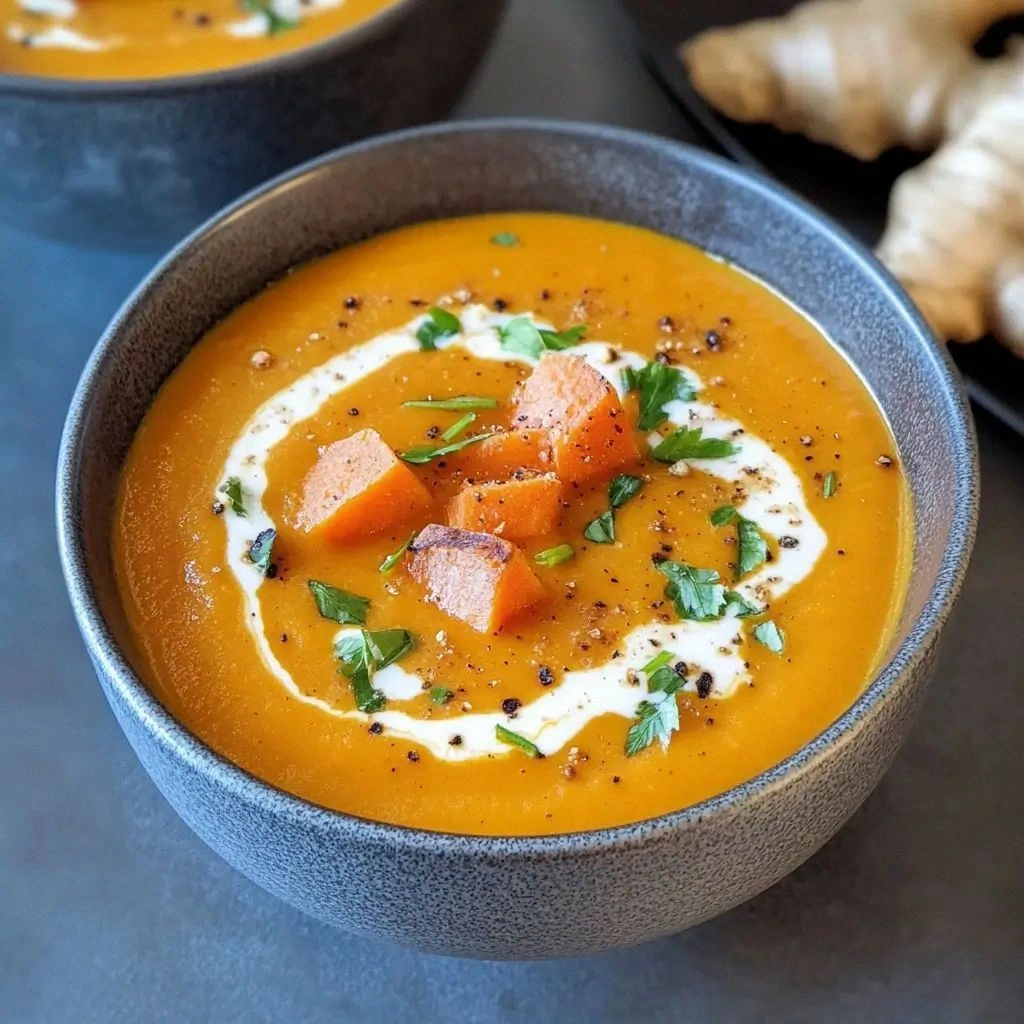
- Serve hot, garnished with fresh cilantro and toasted almonds for crunch. If you like a smooth finish, strain the soup through a fine mesh sieve before serving. This final touch ensures each spoonful is silky and free of solids.
That's it — you did it. But hold on, I've got a few more tricks that'll take this to another level. Keep reading for insider secrets, variations, and storage tips that will keep this soup fresh and delicious.
Insider Tricks for Flawless Results
The Temperature Rule Nobody Follows
Many chefs think a high simmer is best, but the sweet carrots need a gentle boil to release their sugars without scorching. Keep the heat at medium‑low once the broth is in. This slow cooking allows the flavors to marry, giving you a deeper, more complex taste. I’ve seen too‑hot soups lose their bright carrot color, turning dull and flat.
Why Your Nose Knows Best
Smell the soup at each stage; the aroma is a living barometer of flavor. When the onions caramelize, you’ll detect a sweet, nutty scent. When ginger hits the pot, a sharp, almost citrusy note rises. If you don’t smell these cues, the soup isn’t ready yet.
The 5‑Minute Rest That Changes Everything
Letting the soup sit after simmering allows the flavors to settle and the coconut milk to integrate fully. During this short rest, the soup thickens slightly, creating a richer mouthfeel. It also gives the ginger a chance to mellow, preventing an overpowering bite.
Use a Blender for a Silky Finish
Even if you love a slightly chunky soup, a quick pulse in an immersion blender can give a smoother texture without losing the carrot bite. If you prefer a thicker soup, blend only half of the pot and leave the rest chunky.
Add a Splash of Acid at the End
A squeeze of lemon or a splash of vinegar brightens the soup, cutting through the coconut’s richness. Add it just before serving to preserve the citrus notes. If you’re vegan and avoid citrus, try a splash of apple cider vinegar for a milder tang.
Stir in the Garnish Last
To keep the toasted almonds crunchy and cilantro fresh, add them right before serving. If you stir them in too early, the almonds will become soggy, and the cilantro will wilt. This simple step elevates the soup’s presentation.
With these tricks, you’ll consistently deliver a carrot ginger soup that’s silky, bright, and unforgettable. Even if you’re new to cooking, these simple steps will make you feel like a seasoned chef.
Creative Twists and Variations
This recipe is a playground. Here are some of my favorite ways to switch things up:
Spicy Thai Twist
Add a tablespoon of red curry paste and a pinch of crushed red pepper flakes during the sauté. This gives the soup a silky, spicy depth reminiscent of Thai coconut curry. The curry paste also adds a subtle smokiness that pairs beautifully with ginger. Serve with a sprinkle of fresh basil for an aromatic finish.
Herb‑Infused Green
Replace half the coconut milk with fresh spinach or kale, blending until smooth. The greens add a vibrant green hue and a boost of nutrients. A squeeze of lime at the end brightens the flavor profile. Garnish with toasted pumpkin seeds for crunch.
Savory Mushroom Variation
Sauté sliced shiitake mushrooms with the onions and garlic before adding the broth. Mushrooms bring an earthy umami that complements the sweet carrots. Use a splash of soy sauce for depth. Finish with a drizzle of truffle oil for luxury.
Sweet and Smoky BBQ
Add a tablespoon of smoky chipotle powder and a splash of maple syrup during the simmer. The smoky heat pairs with the maple’s sweetness for a BBQ‑inspired flavor. A dash of smoked paprika adds depth. Top with crispy bacon bits if you’re not strictly vegan.
Breakfast Boost
Serve the soup with a poached egg and a sprinkle of chives for a protein‑rich breakfast. The egg yolk adds a velvety richness that complements the coconut milk. A drizzle of hot sauce adds a zing that wakes up the palate. This version turns the soup into a comforting, filling start to the day.
Storing and Bringing It Back to Life
Fridge Storage
Cool the soup completely before transferring to an airtight container. Store in the fridge for up to 3 days. When reheating, add a splash of water or broth to restore moisture. Stir well to ensure even heat distribution.
Freezer Friendly
Divide the soup into freezer‑safe portions and seal in zip‑lock bags or glass jars. Freeze for up to 3 months. Thaw overnight in the fridge, then reheat on the stove with a splash of broth. The soup maintains its silky texture if reheated gently.
Best Reheating Method
Reheat the soup on low heat, stirring frequently to prevent scorching. Add a splash of water or broth to loosen the consistency. Once it reaches a gentle simmer, remove from heat and let it rest for a minute before serving. This ensures the coconut milk stays creamy and the flavors stay balanced.