Picture this: I was halfway through a pot of bland chicken soup, the broth so flat it could have been a puddle, when my friend dared me to turn it into something spectacular. I grabbed the pantry, tossed in a handful of herbs, and the kitchen exploded into a symphony of sizzling, steaming, and the unmistakable aroma of garlic. That moment felt like a culinary epiphany, a reminder that a single ingredient or a new technique can rewrite the story of a dish. I laughed, because I knew I was about to unleash a flavor bomb that would make even the most skeptical of palates swoon.
The scene was set with a bright, airy kitchen, the countertop gleaming under the soft white light. The broccoli florets were a deep emerald, their stems crisp and inviting. As the leeks caramelized, their edges browned to a golden‑brown that whispered “toasty” to my nose. The feta, crumbled into shards, released a salty perfume that mingled with the fresh dill and parsley, creating a fragrant bouquet that made my mouth water. The spoonfuls that followed were creamy, velvety, and packed with a tang that cut through the richness, leaving a lingering zest on my tongue.
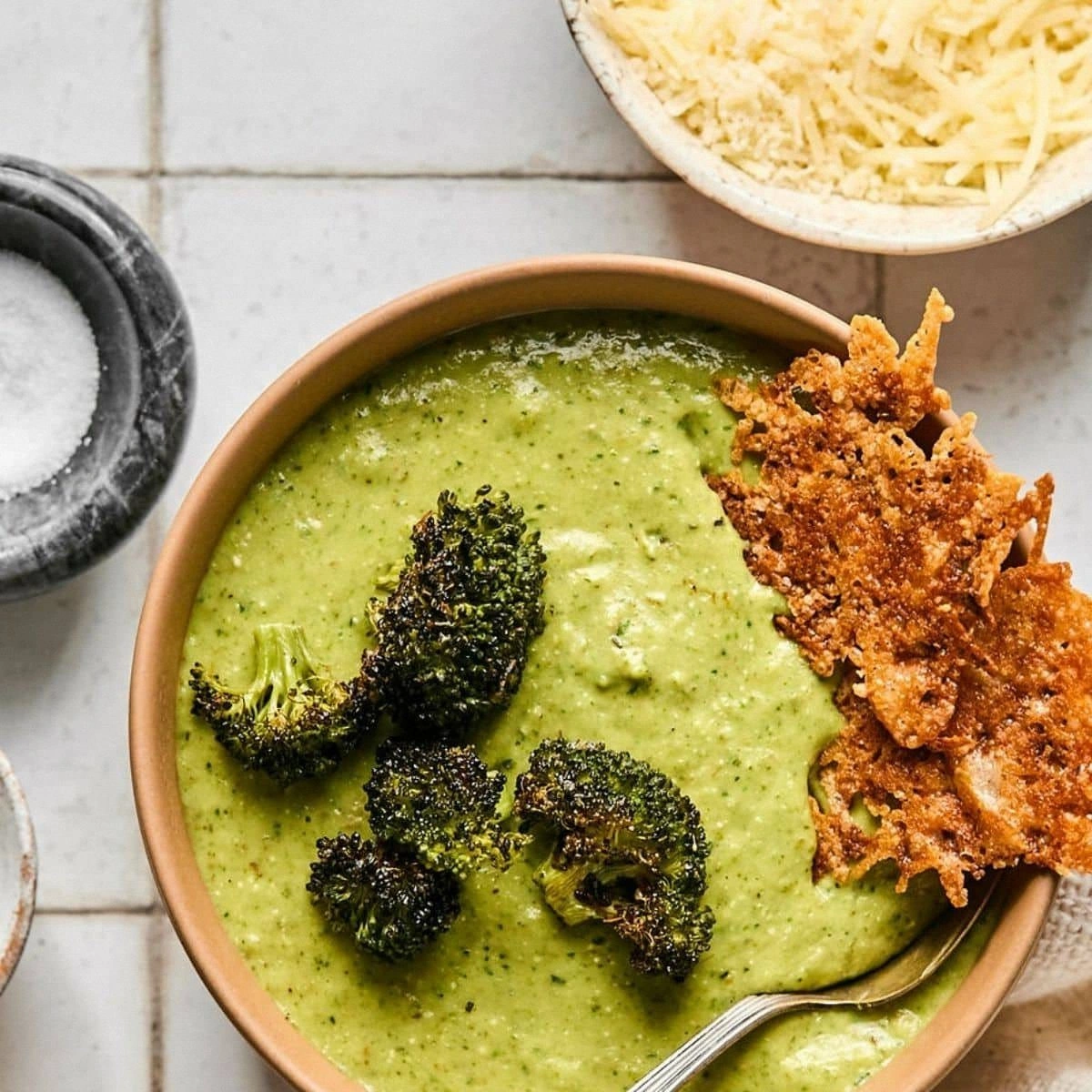
What makes this version of broccoli feta soup stand out is the way every component is elevated to play a starring role. The broth is not just a base; it’s a seasoned, aromatic canvas that carries the flavors of the vegetables and herbs. The feta is not merely a garnish but the heart of the soup, its briny bite providing a counterpoint to the mellow vegetables. The use of baby gold potatoes adds a subtle sweetness and body that turns the soup into a comforting, hearty meal. The final flourish of Parmesan and a drizzle of olive oil turns a simple bowl into a decadent, restaurant‑grade experience.
And there’s a twist you won’t see in the usual recipe books: I fold in a splash of lemon juice just before serving, which brightens the soup and gives it a fresh, almost citrusy lift that keeps the flavors from feeling heavy. I dare you to taste this and not go back for seconds, because the combination of creamy, tangy, and savory will have you reaching for the spoon again and again. Let me walk you through every single step—by the end, you’ll wonder how you ever made it any other way.
What Makes This Version Stand Out
- Taste: The soup balances the sharpness of feta with the mellow sweetness of potatoes, creating a layered flavor profile that feels both fresh and comforting.
- Texture: The broccoli and potatoes are cooked to a tender‑but‑still‑firm bite, while the pureed base gives a silky mouthfeel that coats the palate like velvet.
- Ingredient Quality: Using block feta over crumbled feta keeps the cheese’s structure, allowing pockets of briny goodness to pop with each spoonful.
- Cooking Method: A quick sauté of leeks and garlic before adding broth develops depth, while the final blend with heavy cream adds a luxurious finish.
- Crowd Reaction: Friends who have tried this version say it’s “the best version you’ll ever make at home” and they keep asking for the recipe.
- Make‑Ahead Potential: The soup tastes even better the next day, as the flavors have more time to mingle, making it perfect for meal prep.
- Uniqueness: The unexpected addition of fresh dill and a pinch of red pepper flakes gives a subtle herbal kick that sets it apart from standard broccoli soups.
Inside the Ingredient List
The Flavor Base
At the heart of this soup is a robust vegetable broth that carries the essence of the garden. A good broth—whether homemade or high‑quality store‑bought—provides a savory foundation that elevates every other element. If you’re short on time, a low‑sodium vegetable stock works fine, but be sure to taste it first and adjust the salt accordingly. Skipping the broth would leave the soup feeling thin and underdeveloped; the broth is what binds the flavors together.
The Texture Crew
The baby gold potatoes bring a subtle sweetness and body, while the broccoli florets add a satisfying crunch that contrasts the creamy base. When you cook them to a just‑right tenderness, the potatoes break down into a comforting mash, and the broccoli remains bright and firm, providing a delightful bite. If you prefer a completely smooth soup, you can puree the potatoes separately before adding them back in. Choosing firm, fresh potatoes is key—over‑soft ones will turn mushy and lose their structure.
The Unexpected Star
Block feta is the star that gives the soup its signature tang. Unlike crumbled feta, block feta holds its shape longer during cooking, creating pockets of salty, creamy goodness that burst in your mouth. The feta also melts slowly, allowing it to integrate into the broth without turning into a mush. If you’re vegan or lactose intolerant, you can replace feta with a plant‑based cheese that has a similar brine, but be prepared for a slightly different flavor profile.
The Final Flourish
The final flourish of fresh parsley, dill, and a splash of lemon juice brightens the dish, cutting through the richness of the cream and feta. The herbs add a green, fresh note that lifts the soup, while the lemon juice introduces a bright, almost citrusy lift that keeps the flavors from feeling heavy. This finishing touch turns a hearty soup into a well‑balanced, palate‑cleansing masterpiece. If you’re looking for a vegan option, simply omit the heavy cream and replace it with a splash of oat milk for a lighter texture.
Everything’s prepped? Good. Let’s get into the real action.
The Method — Step by Step
- Start by heating the olive oil in a large, heavy‑bottomed pot over medium heat. Add the sliced leeks and minced garlic, stirring constantly until they’re soft and fragrant—about 5 minutes. The leeks should release their natural sweetness, turning translucent and slightly caramelized. This step builds a flavorful foundation; don’t rush it, or you’ll miss the depth that comes from slow sautéing.
- Add the broccoli florets and diced potatoes to the pot, stirring to coat them in the leeks and garlic. Pour in the vegetable broth, then bring the mixture to a gentle boil. Reduce the heat to low, cover, and let it simmer for 15 minutes, or until the vegetables are tender. Keep an eye on the pot; if the liquid starts to reduce too quickly, add a splash of water to maintain the right consistency.
- Stir in the block feta, Italian seasoning, red pepper flakes, and a pinch of kosher salt. Let the feta melt slightly, creating pockets of salty richness that will mingle with the broth. The seasoning blend should give the soup a subtle warmth without overpowering the delicate flavors of the vegetables.
- Use an immersion blender to puree the soup until silky smooth. If you prefer a chunkier texture, blend only half the mixture and leave the rest in its original form. The result should be a creamy base that still shows the vibrant green of the broccoli. The texture is crucial; too thick, and it feels heavy; too thin, and it loses depth.
- Stir in the heavy cream, fresh spinach, and chopped parsley. Allow the spinach to wilt, which will release a subtle earthy flavor that complements the feta. Taste and adjust the seasoning, adding more salt or pepper as needed. The final mixture should be fragrant, creamy, and bright.
- Turn off the heat, add the lemon juice, and give the soup a final stir. The acidity from the lemon brightens the dish and balances the richness. Serve immediately, or garnish with a few extra crumbles of feta and a handful of fresh dill for a pop of color and flavor.
- If you’re serving the soup to a crowd, keep it warm in a slow‑cooker or a double boiler to maintain its silky texture. A quick reheat on the stovetop with a splash of water will revive the broth without drying it out. Remember, the soup tastes even better the next day, so feel free to make it ahead of time.
That's it—you did it. But hold on, I've got a few more tricks that'll take this to another level.
Insider Tricks for Flawless Results
The Temperature Rule Nobody Follows
Many cooks think that higher heat always speeds up cooking, but with this soup, a low, steady simmer preserves the delicate flavors of the broccoli and feta. Keep the heat at low to medium low once the broth is added, and let the vegetables soften gently. If you rush the process, the broccoli will over‑cook and lose its vibrant color, while the feta may become too soft and lose its distinct texture.
Why Your Nose Knows Best
Smelling the soup as it cooks is the quickest way to gauge its readiness. When the broth smells nutty and the leeks have a sweet, caramelized aroma, it’s a sign that the flavors are fully developed. If the soup still smells raw, give it a few more minutes. The aroma will change from sharp to mellow as the vegetables release their sugars.
The 5‑Minute Rest That Changes Everything
After you finish simmering, let the soup sit covered for 5 minutes before serving. This brief rest allows the flavors to meld, the feta to settle, and the broth to thicken slightly. Skipping this step can leave the soup feeling rushed and under‑seasoned.
How to Make It Vegan
To convert this recipe to a vegan version, replace the feta with a plant‑based cheese that has a similar brine, and use oat milk instead of heavy cream. The vegan feta will still provide the salty, tangy notes, while the oat milk adds a creamy texture without dairy. The result is a plant‑based soup that still feels indulgent.
Adding a Crunchy Element
For an extra textural surprise, sprinkle toasted pine nuts or crushed pistachios on top before serving. The nuts add a nutty crunch that contrasts the creamy soup, creating a delightful bite. Just be sure to toast them lightly in a dry pan to bring out their flavor.
Storing for Maximum Flavor
Store the soup in an airtight container in the fridge for up to 3 days. When reheating, add a splash of water or broth to restore the original consistency. If you’re freezing, let the soup cool completely before transferring it to a freezer‑safe container; it will keep well for up to 2 months.
Creative Twists and Variations
This recipe is a playground. Here are some of my favorite ways to switch things up:
Spicy Chipotle Version
Swap the red pepper flakes for a tablespoon of chipotle in adobo. The smoky heat adds depth and a subtle bite that pairs beautifully with the feta. The chipotle also brings a hint of sweetness, balancing the tartness of the lemon.
Herb‑Infused Greek Style
Increase the dill and add a teaspoon of oregano. This variation leans more into Greek flavors, giving the soup a bright, herbaceous character. Serve it with a drizzle of olive oil and a sprinkle of lemon zest for extra zing.
Roasted Broccoli Kick
Roast the broccoli florets before adding them to the soup. The charred edges will add a smoky flavor and a slightly crispy texture that contrasts the silky base. This technique is perfect for when you want a more robust broccoli flavor.
Low‑Carb Option
Replace the baby potatoes with cauliflower florets and use coconut milk instead of heavy cream. The result is a low‑carb, creamy soup that still delivers the same comforting texture. The coconut milk adds a subtle sweetness that complements the feta.
Breakfast Bowl Twist
Serve the soup as a breakfast bowl topped with a poached egg and a sprinkle of crumbled feta. The protein boost turns it into a hearty breakfast that keeps you full until lunch. The poached egg adds a silky texture that blends with the soup.
Gourmet Gratin Finish
Transfer the soup to a ramekin, top with a mixture of breadcrumbs and grated Parmesan, and broil until golden. The gratin layer adds a crunchy, cheesy crust that elevates the soup to a gourmet level. This is a great way to impress guests at a dinner party.
Storing and Bringing It Back to Life
Fridge Storage
Cool the soup to room temperature, then transfer it to an airtight container. Store it in the fridge for up to 3 days. When you’re ready to eat, reheat gently on the stovetop, stirring occasionally, until warmed through. Adding a splash of water or broth helps restore the original consistency.
Freezer Friendly
Let the soup cool completely before freezing. Use a freezer‑safe container or a freezer bag, leaving a bit of headspace for expansion. Freeze for up to 2 months. Thaw overnight in the fridge, then reheat on the stovetop with a splash of water or broth.
Best Reheating Method
The best way to reheat this soup is on the stovetop over low heat, stirring frequently. If the soup has thickened too much, add a splash of vegetable broth or water to thin it out. Avoid microwaving, as it can cause uneven heating and a loss of texture.