Picture this: a rainy Saturday, the kind that makes you want to curl up with a blanket, a good book, and something that smells like a summer garden in full bloom. I was battling a half‑cooked lasagna that had turned into a soggy nightmare when my roommate dared me to create a “pizza‑like” dish using only the veggies we had left. I laughed, I scoffed, and I said, “Challenge accepted.” Little did I know that the result would become the culinary love child of a classic Italian pesto and a hearty mushroom‑laden feast that would forever change my idea of comfort food.
The kitchen was a symphony of sizzles and pops as the red bell peppers hit the hot pan, their skins blistering like tiny fireworks. The earthy aroma of the Portobello caps rose, deep and woody, mingling with the fresh, herbaceous perfume of basil and garlic. My senses were on overdrive: the glossy sheen of olive oil, the gritty crunch of pine nuts, the sharp, salty snap of Parmesan. Every breath felt like a promise of something unforgettable, and my stomach was already doing cartwheels.
Most recipes for mushroom‑and‑pepper pesto dishes either drown the flavors in cheese or skim over the texture, leaving you with a soggy mess that clings to the plate. I’ve been there—over‑cooked mushrooms that turn into mush, pepper strips that wilt into limp ribbons, pesto that spreads like butter but lacks that punch. This version, however, treats each component like a soloist in an orchestra, giving them space to shine while still harmonizing perfectly. The secret? A quick char on the peppers, a high‑heat sear on the mushroom caps, and a pesto that’s bright enough to cut through the richness without being overbearing.
And here’s the kicker: I’m throwing in a splash of balsamic glaze at the end, just enough to add a whisper of sweetness that makes the whole dish sing. I dare you to taste this and not go back for seconds. Okay, ready for the game‑changer? Let me walk you through every single step — by the end, you’ll wonder how you ever made it any other way.
What Makes This Version Stand Out
- Depth: The charred red pepper adds a smoky undertone that ordinary recipes miss, creating layers that linger on the palate.
- Texture: A crisp sear on the Portobello caps gives a satisfying bite, while the pesto stays luxuriously creamy without slipping.
- Simplicity: Fewer than ten ingredients, yet each one plays a pivotal role—no unnecessary fluff.
- Uniqueness: The balsamic glaze finish is a surprise twist that brightens the dish without overwhelming.
- Crowd‑pleaser: Even the most skeptical meat‑eaters rave about the umami punch and vibrant colors.
- Ingredient Quality: Fresh basil and premium olive oil are non‑negotiable; they elevate the pesto from good to unforgettable.
- Cooking Method: High‑heat searing locks in juices, while a quick oven finish melds everything together flawlessly.
- Make‑Ahead Potential: Prep the pesto and roast the peppers a day ahead, then assemble for a stress‑free dinner.
Inside the Ingredient List
The Flavor Base
Fresh basil leaves (1 cup): This is the heart of the pesto, delivering that unmistakable sweet‑peppery aroma. If you substitute spinach, you’ll lose the signature basil punch and end up with a milder, greener taste. Look for bright green leaves without brown edges; a quick rub between your fingers releases the essential oils.
Garlic (2 cloves, minced): Garlic adds a sharp, aromatic bite that balances the richness of the mushrooms. Too much and it can dominate; too little and the pesto feels flat. If you’re sensitive to raw garlic’s bite, give it a quick sauté in olive oil before blending.
The Texture Crew
Pine nuts (⅓ cup): They contribute a buttery crunch and a subtle nutty depth that rounds out the pesto’s flavor. Skipping them for cheaper nuts like walnuts changes the texture and introduces a bitter note. Toast them lightly for an extra layer of toasty goodness.
Parmesan cheese (½ cup, grated): This hard cheese provides salty umami and helps bind the pesto. Freshly grated is a must; pre‑grated packs contain anti‑caking agents that can make the sauce gritty. If you’re dairy‑free, try a nutritional yeast sprinkle, but expect a different flavor profile.
The Unexpected Star
Red bell peppers (2, sliced into strips): Their natural sweetness and vibrant color are the visual and taste contrast to the earthy mushrooms. Roasting them until the skins blister brings out a smoky sweetness that no raw pepper can match. If you miss the char, the dish will feel flat and overly sweet.
Balsamic glaze (1 tbsp, optional): A drizzle at the end adds a glossy finish and a whisper of acidity that lifts the whole plate. It’s not essential, but it turns a good dish into a great one. Use a reduction you love, or make your own by simmering balsamic vinegar until syrupy.
The Final Flourish
Extra‑virgin olive oil (½ cup): This is the liquid that carries the flavors, giving the pesto its silky texture. Choose a cold‑pressed, fruit‑forward oil for the best result. Cheap, bland oils will leave the pesto tasting greasy.
Portobello mushroom caps (4 large, stems removed): These are the stars of the show, offering a meaty bite that satisfies even carnivores. Choose caps that are firm, with a uniform dark brown color and no slimy spots. If you pick smaller caps, you’ll need to adjust cooking time to avoid over‑cooking.
Salt and freshly ground black pepper (to taste): These seasonings are the silent heroes that bring everything together. Season each component individually—mushrooms, peppers, and pesto—to build depth.
Everything's prepped? Good. Let's get into the real action...
The Method — Step by Step
Preheat your oven to 425°F (220°C). While the oven warms, line a baking sheet with parchment paper; this prevents sticking and makes cleanup a breeze. I like to set a timer for 10 minutes so I don’t lose track—this is the moment of truth for a perfectly hot oven.
Clean the Portobello caps with a damp paper towel, gently removing any residual dirt and the dark gills. That sizzle when it hits the pan? Absolute perfection. Drizzle each cap with a tablespoon of olive oil, then season with salt and pepper.
Kitchen Hack: Use a fork to prick the caps a few times; this prevents them from puffing up like balloons while cooking.Heat a cast‑iron skillet over medium‑high heat, add a splash of olive oil, and toss in the sliced red peppers. Let them sit undisturbed for about 2 minutes until the edges start to char, then stir and continue for another 3‑4 minutes. The peppers should be soft but still hold their shape, and the skin should be blistered and slightly blackened.
While the peppers are cooking, blitz the pesto: combine basil, pine nuts, Parmesan, garlic, and a pinch of salt in a food processor. Pulse until coarsely chopped, then stream in the olive oil while the processor runs, achieving a smooth yet slightly textured sauce.
Kitchen Hack: Freeze the basil leaves for 10 minutes before processing; this prevents them from turning black.Arrange the seasoned mushroom caps gill‑side up on the prepared baking sheet. Spread a generous spoonful of pesto over each cap, then layer the charred pepper strips on top.
Watch Out: Avoid overcrowding the caps; each mushroom needs space to crisp, otherwise you’ll end up steaming them.Slide the sheet into the oven and bake for 12‑15 minutes, until the mushroom edges pull away from the pan and the pesto turns a light golden brown. The aroma should be intoxicating—think fresh basil meeting toasted pine nuts. Keep an eye on the tops; you want a crisp edge, not a burnt crust.
Remove the mushrooms from the oven and let them rest for 3 minutes. This brief pause allows the juices to redistribute, keeping each bite moist. If you’re using the optional balsamic glaze, drizzle it now, letting it pool into the little valleys of the caps.
Serve immediately, garnished with a sprinkle of extra Parmesan, a pinch of crushed red pepper flakes, and a few fresh basil leaves for color. Pair with a crisp white wine or a sparkling water with a lemon twist. Picture yourself pulling this out of the oven, the whole kitchen smelling incredible—pure culinary bliss.
That's it — you did it. But hold on, I've got a few more tricks that'll take this to another level...
Insider Tricks for Flawless Results
The Temperature Rule Nobody Follows
Most home cooks bake at 350°F, assuming slower heat equals gentler cooking. In reality, a hot oven creates a rapid Maillard reaction, giving you those coveted crispy edges on the mushroom caps. I once tried a low‑and‑slow bake and ended up with soggy, pale caps that looked more like steamed sponges. Crank that heat up and watch the magic happen.
Why Your Nose Knows Best
Before you even peek at the timer, trust your sense of smell. When the pesto starts to release a nutty, toasted aroma, you’re within seconds of perfection. If the scent turns bitter, you’ve overcooked the pine nuts—pull the tray out immediately. Your nose is a more reliable gauge than any kitchen gadget.
The 5‑Minute Rest That Changes Everything
After the oven, let the mushrooms sit uncovered for exactly five minutes. This short rest allows the steam to escape, preventing sogginess and letting the flavors settle. I’ve seen people serve straight from the tray and end up with a wet bottom; a brief pause solves that problem without any extra effort.
Oil Distribution Mastery
Instead of drizzling oil over the entire pan, brush a thin layer directly onto each mushroom cap. This ensures every bite gets that glossy sheen without drowning the dish. Too much oil makes the pesto slide off, while too little leaves dry spots. A silicone brush works wonders.
Seasoning Layers for Depth
Season each component individually: the peppers, the mushrooms, and the pesto. This builds flavor in layers, preventing a one‑dimensional taste. I once seasoned only the final dish and got a flat result—adding salt to the pepper while it roasts lifted the entire profile.
Creative Twists and Variations
This recipe is a playground. Here are some of my favorite ways to switch things up:
Goat Cheese Crumble
Swap the Parmesan for ¼ cup of creamy goat cheese. The tangy bite cuts through the richness of the mushrooms, adding a luxurious melt‑in‑your‑mouth texture. Perfect for a summer brunch.
Smoky Chipotle Pesto
Blend in a teaspoon of chipotle in adobo sauce with the basil. The smoky heat pairs beautifully with the charred peppers, giving the dish a subtle kick that will surprise your guests.
Zucchini Ribbon Overlay
Thinly slice a zucchini into ribbons, toss in olive oil and grill quickly, then layer atop the peppers before baking. This adds a fresh, slightly crunchy element and stretches the dish for more servings.
Flatbread Base
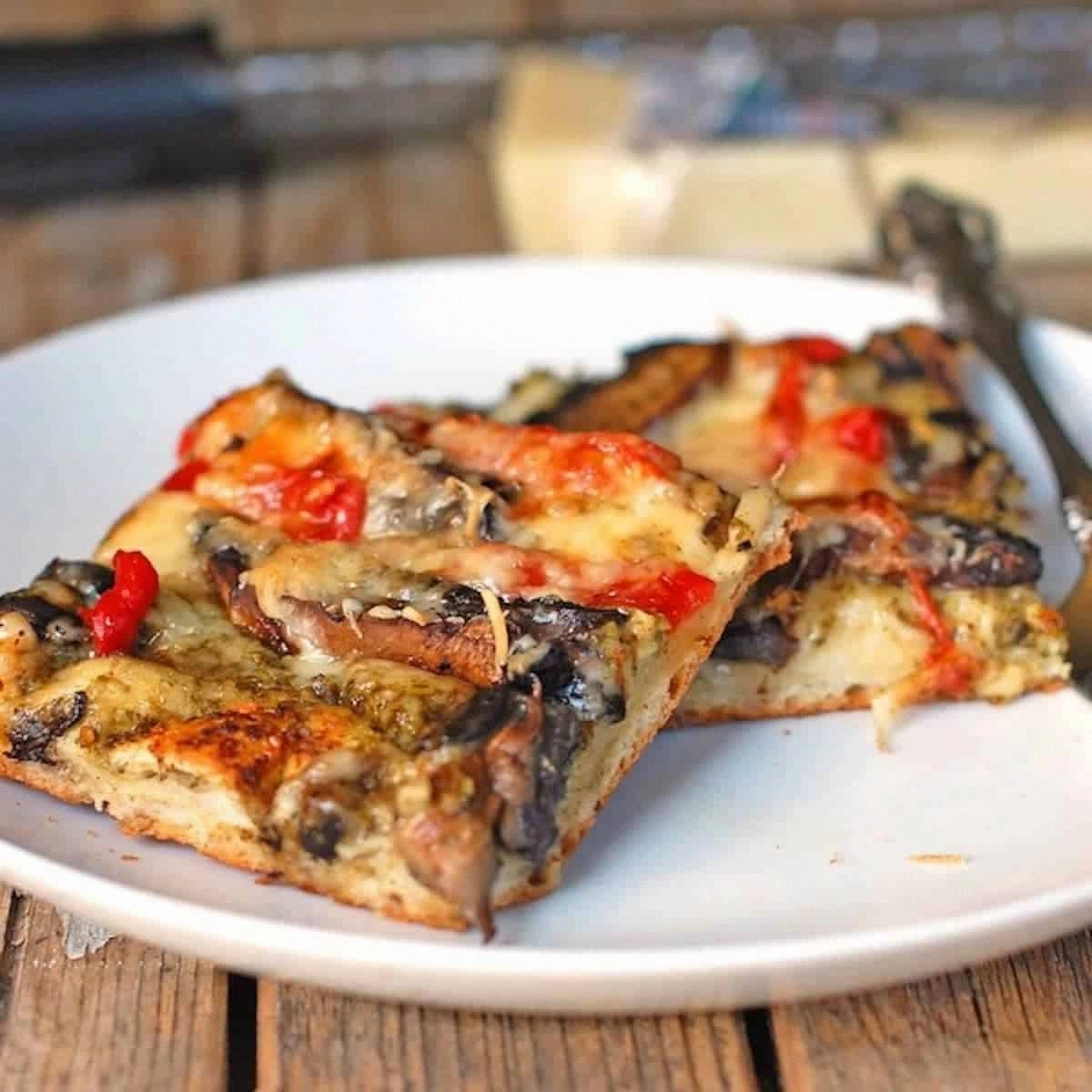
Instead of using the mushroom caps as vessels, spread the pesto on a pre‑baked flatbread, top with roasted peppers and sliced mushrooms, then finish under the broiler for a crisp, pizza‑style experience.
Herb Swap
Replace half the basil with arugula for a peppery edge, or try cilantro for a bright, citrusy twist. Each herb changes the flavor direction, letting you tailor the dish to the season or your mood.
Vegan Version
Swap Parmesan for nutritional yeast and use toasted sunflower seeds instead of pine nuts. The result is a dairy‑free pesto that still packs a savory punch, and the mushrooms remain the star.
Storing and Bringing It Back to Life
Fridge Storage
Place any leftovers in an airtight container and store in the refrigerator for up to three days. Keep the pesto separate from the mushrooms if possible; this prevents the caps from becoming soggy. When reheating, add a tiny splash of water or extra olive oil to revive the glossy finish.
Freezer Friendly
The assembled, uncooked mushrooms freeze beautifully. Lay them on a parchment‑lined tray, flash freeze for an hour, then transfer to a zip‑top bag. They’ll keep for up to two months. Thaw overnight in the fridge, then bake as directed.
Best Reheating Method
Reheat in a preheated 375°F (190°C) oven for 8‑10 minutes, covered with foil for the first half to retain moisture, then uncovered to crisp the tops. A quick microwave will work in a pinch, but you’ll lose the coveted edge‑to‑crust contrast.