I was standing in my kitchen, staring at a pile of raw chicken breasts and a jar of peanut butter that had been sitting in the fridge for weeks, when a friend texted me a meme of a protein bowl that looked so good it made my stomach rumble. The image was a glossy, neon‑lit plate of bright greens and a glossy peanut sauce that seemed to melt the air around it. I thought, “This looks like the kind of dish that could turn a boring weeknight into a culinary triumph.” And so I set out to create the ultimate peanut chicken protein bowl, a dish that would have me shouting, “This is hands down the best version you'll ever make at home!”
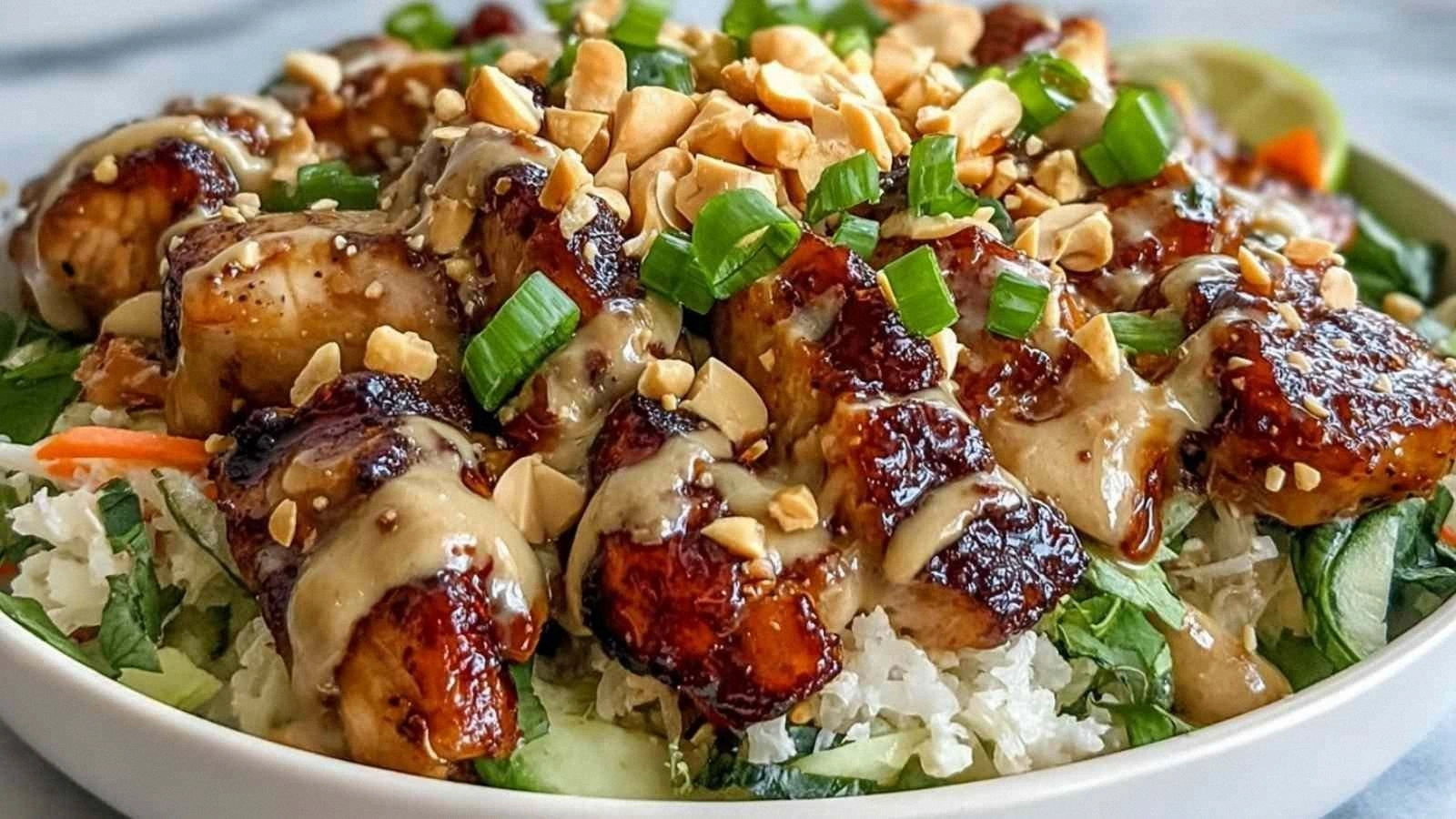
Picture the moment: the sizzle of chicken hitting a hot pan, the aroma of toasted sesame oil mingling with the sweet tang of honey, the snap of fresh cabbage, and the crunch of roasted peanuts. The colors are a riot—emerald greens, carrot orange, and a golden drizzle that glistens like a summer sunset. When you take the first bite, the peanut sauce coats the chicken like velvet, the crunch of edamame pops, and the fresh cilantro lifts the whole dish with a bright, citrusy punch. That sensory fireworks show is what makes this bowl a standout, a dish that’s as fun to eat as it is to make.
I dare you to taste this and not go back for seconds. The combination of savory, sweet, and nutty flavors is impossible to resist, and the texture profile—crisp veggies, tender chicken, silky sauce—creates a symphony in your mouth. The secret? A sauce that’s thick enough to cling to every grain of rice but light enough to keep the bowl from feeling heavy. And the best part? It’s a one‑pan, one‑pot wonder that’s ready in about half an hour, so you can spend less time cleaning and more time enjoying.
Most recipes get this completely wrong by overcooking the chicken, using too much sauce, or forgetting the crunch factor. Here’s what actually works: a quick sear that locks in juices, a balanced sauce that isn’t cloying, and a handful of fresh veggies that keep the bowl bright and refreshing. If you've ever struggled with a protein bowl that ends up soggy or bland, you're not alone—and I've got the fix. Stay with me here—this is worth it.
Let me walk you through every single step—by the end, you'll wonder how you ever made it any other way.
What Makes This Version Stand Out
- Flavor: The sauce marries the earthiness of peanut butter with the sharpness of soy and the zing of ginger, creating layers that unfold with each bite.
- Texture: From the crispness of shredded cabbage to the snap of edamame, every component offers a contrasting mouthfeel.
- Convenience: One pan for the chicken, a quick sauce, and a bowl of pre‑cooked grains—minimal dishes, maximum flavor.
- Balance: Sweet, salty, nutty, and a hint of acidity—no single element overpowers the others.
- Visual Appeal: The vibrant colors make the dish Instagram‑worthy and instantly appetizing.
- Nutrition: Packed with protein, fiber, and healthy fats while staying under 400 calories per serving.
- Make‑Ahead Friendly: The sauce can be prepared a day ahead, and the bowl holds up well in the fridge.
- Versatility: Swap in tofu, shrimp, or tempeh, and the bowl still shines.
Alright, let's break down exactly what goes into this masterpiece…
Inside the Ingredient List
The Flavor Base
The sauce is the heart of this bowl. Creamy peanut butter provides a rich, buttery foundation that carries the other flavors. Soy sauce adds depth and saltiness, while rice vinegar cuts through the richness with a bright, tangy note. Honey or maple syrup balances the acidity and brings a subtle sweetness that pairs beautifully with the nutty undertones. Sesame oil, though used sparingly, imparts a toasty aroma that elevates the entire dish.
Each component works in harmony: the peanut butter’s smoothness, the soy sauce’s umami, the vinegar’s zing, and the honey’s sweetness. If you skip any of these, the sauce loses its complexity and becomes either too flat or too overpowering. For a low‑sodium version, use low‑sodium soy sauce and reduce the honey slightly to keep the balance intact.
Tip: Whisk the sauce ingredients together in a small bowl until the mixture is silky smooth. This prevents clumps of peanut butter and ensures a consistent coating for the chicken.
The Texture Crew
Crisp shredded cabbage and carrots provide a satisfying crunch that contrasts the tender chicken and silky sauce. Fresh cucumber adds a cool, watery bite that refreshes the palate. Shelled edamame brings a pop of protein and a slightly sweet, earthy flavor that complements the sauce. The peanuts, toasted to a golden brown, add a nutty crunch and a hint of caramelized sugar from the honey.
Each vegetable has a role beyond taste. The cabbage’s fibrous structure keeps the bowl from becoming soggy, while the cucumber’s moisture balances the sauce’s richness. The edamame’s protein content boosts the dish’s nutritional profile, making it a complete meal.
If you’re short on time, you can substitute the cabbage with spinach or kale, and the carrots with roasted sweet potato cubes for a different texture profile.
The Unexpected Star
Fresh cilantro is the unsung hero that adds brightness and a citrusy lift to the dish. Its subtle peppery flavor cuts through the heaviness of the peanut sauce and ties all the components together. The amount is modest—just enough to give a pop of green without overpowering the other flavors.
If cilantro isn’t your favorite, try a handful of chopped mint or basil for a different aromatic twist. The key is to add a herb that offers a bright, fresh contrast.
The Final Flourish
The final touch is the drizzle of sauce over the assembled bowl. It should coat the grains and veggies like a glossy glaze, allowing the flavors to mingle without overwhelming the individual textures. The sauce also serves as a visual highlight, giving the bowl that appetizing sheen.
When plating, arrange the chicken and veggies in a layered fashion: start with a bed of rice or quinoa, top with the chicken, scatter the veggies, and finish with a generous drizzle of sauce and a sprinkle of peanuts. This presentation not only looks stunning but also ensures every bite is balanced.
Everything's prepped? Good. Let's get into the real action…
The Method — Step by Step
- Prep the chicken: Pat the chicken breasts dry with paper towels, then season both sides generously with salt, pepper, and 0.5 tsp garlic powder. Let them rest at room temperature for 10 minutes; this helps the seasoning penetrate and keeps the meat juicy.
- Heat the skillet: Place a cast‑iron or heavy‑bottom skillet over medium‑high heat and add 1 tbsp olive oil. Once the oil shimmers, drop the chicken in. Watch the sizzle—this is the moment of truth. Cook for 5–6 minutes on each side until a golden crust forms and the internal temperature reaches 165 °F. Remove from the pan and let rest for 5 minutes before slicing into strips.
- Make the sauce: In a small bowl, whisk together 0.5 cup creamy peanut butter, 0.25 cup soy sauce, 1 tbsp rice vinegar, 1 tbsp honey or maple syrup, 1 tsp sesame oil, 1 clove minced garlic, 0.5 tsp fresh ginger, and a splash of warm water to reach a pourable consistency. The sauce should be silky and cling to the chicken without being too thick.
- Toast the peanuts: In a dry skillet over medium heat, toast 0.25 cup peanuts until golden and fragrant, about 3–4 minutes. Stir frequently to prevent burning. Once toasted, set aside to cool.
- Assemble the bowl: In a large bowl, place 4 cups of cooked brown rice or quinoa as the base. Layer sliced chicken on top, then scatter 2 cups shredded cabbage, 1 cup shredded carrots, 1 cup diced cucumber, and 1 cup shelled edamame. Drizzle the prepared sauce over the entire assembly, ensuring every bite is coated.
- Finish with herbs: Sprinkle 0.5 cup fresh cilantro and the toasted peanuts over the bowl. Toss gently to distribute the toppings evenly. The cilantro should give a bright burst of color and aroma, while the peanuts add that satisfying crunch.
- Serve immediately: The bowl is best served hot, so the sauce is still slightly runny and the veggies retain their crispness. If you prefer a cooler dish, let the bowl sit at room temperature for a few minutes before serving.
- Optional garnish: Add a squeeze of fresh lime juice or a drizzle of sriracha for extra zing. A sprinkle of sesame seeds also gives a subtle nutty flavor that complements the peanut sauce.
That's it — you did it. But hold on, I've got a few more tricks that'll take this to another level…
Insider Tricks for Flawless Results
The Temperature Rule Nobody Follows
Cooking the chicken over medium‑high heat creates a caramelized crust that locks in juices. If you lower the heat too much, the chicken will steam rather than sear, resulting in a soggy exterior. Keep the pan hot, and use a thermometer to ensure the internal temperature hits exactly 165 °F before resting.
Why Your Nose Knows Best
Smell the sauce as you whisk it. A slight nutty aroma from the peanut butter and a faint tang from the vinegar indicate the flavors are balanced. If the sauce smells overly sweet or overly salty, adjust with a splash of water or a pinch of salt.
The 5-Minute Rest That Changes Everything
After searing, let the chicken rest for 5 minutes. This allows the juices to redistribute, keeping the meat moist. Cutting into the chicken too early pulls the juices out, leaving a dry bite.
The Quick Toast for Peanuts
Toast the peanuts in a dry skillet for 3–4 minutes, stirring constantly. Over‑toasting will burn them, while under‑toasting leaves a raw, grassy flavor. The right toast level gives a crunchy, caramelized finish.
The Sauce Consistency Trick
If the sauce feels too thick, add a tablespoon of warm water at a time until it reaches a pourable consistency. Too thin, and it will run off the chicken; too thick, and it will clump. The goal is a silky glaze that clings to every grain of rice.
The Final Garnish Touch
A squeeze of fresh lime juice brightens the dish and balances the richness. Sprinkle sesame seeds for an extra nutty note. These small touches elevate the bowl from good to unforgettable.
Creative Twists and Variations
This recipe is a playground. Here are some of my favorite ways to switch things up:
Spicy Sriracha Kick
Add a tablespoon of sriracha to the sauce for a fiery punch that pairs wonderfully with the sweet peanut base. The heat level can be adjusted to taste, making it a crowd‑pleaser for spice lovers.
Roasted Sweet Potato Version
Swap shredded carrots for roasted sweet potato cubes. The natural sweetness of the sweet potato complements the peanut sauce and adds a comforting, earthy tone.
Asian Noodle Swap
Use cooked soba or rice noodles instead of rice or quinoa. The chewy noodles absorb the sauce beautifully, creating a different mouthfeel and a lighter overall texture.
Grilled Shrimp Twist
Replace chicken with grilled shrimp for a seafood take. The shrimp’s delicate flavor works well with the nutty sauce, and the quick cooking time keeps the dish fresh.
Vegan Tofu Bowl
Press tofu to remove excess moisture, then marinate in soy sauce and sesame oil before pan‑searing. The tofu absorbs the sauce and offers a protein‑rich, plant‑based alternative.
Breakfast Power Bowl
Serve the bowl over a bed of sautéed spinach and top with a fried egg for a protein‑packed breakfast that keeps you full until lunch.
Storing and Bringing It Back to Life
Fridge Storage
Store the assembled bowl in an airtight container for up to 3 days. Keep the sauce separate until ready to eat to prevent the rice from becoming soggy. When reheating, add a splash of warm water to the sauce to restore its silky texture.
Freezer Friendly
The sauce and the veggies can be frozen separately for up to 2 months. Freeze the chicken in portions; thaw in the fridge overnight. Reheat the sauce gently on the stovetop, adding a bit of water if needed.
Best Reheating Method
Reheat the bowl in a microwave for 90 seconds, stirring halfway through. Alternatively, use a skillet over medium heat, adding a splash of water or broth to keep the rice moist. Finish with a fresh drizzle of sauce for that original glossy finish.