It started with a kitchen catastrophe I’ll never forget: I was trying to impress a date by flipping a simple pork chop, only to watch it turn from a golden‑brown slab to a soggy, flavorless mess in seconds. The smell of burnt oil filled the air, and I stared at the pan like a detective in a crime scene. I knew I had to find a better way. So I dove into the pantry, grabbed honey, soy sauce, and a handful of spices, and I promised myself this would be the best version of pork chops anyone could ever make at home.
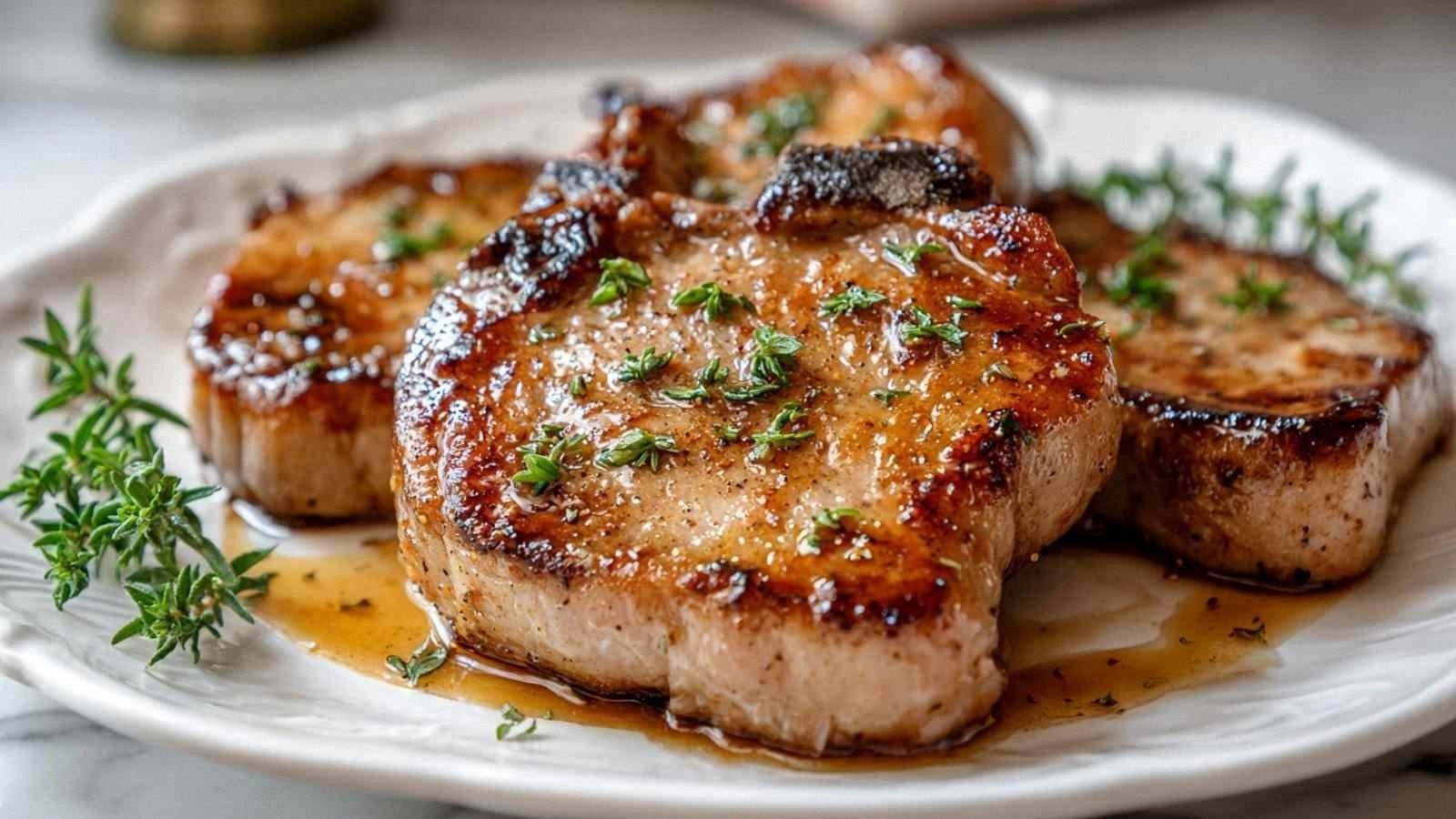
Picture this: a sizzling skillet, the sound of a pork chop searing, the aroma of honey caramelizing, and the sight of a glossy, amber glaze coating the meat like velvet. The first bite is a burst of sweet, savory, and smoky flavors that dance on your tongue. The texture is a crispy, caramelized crust that shatters like thin ice, followed by a tender, juicy interior that practically melts. I dare you to taste this and not go back for seconds.
What sets this recipe apart isn’t just the ingredients—it’s the technique, the timing, and the little secrets that elevate it from ordinary to unforgettable. The honey doesn’t just sweeten; it creates a protective crust that locks in moisture. The smoked paprika and garlic powder add depth without overpowering, while the lemon juice provides a bright counterpoint that cuts through the richness. The result is a dish that feels like a gourmet experience, yet is simple enough to make in your everyday kitchen.
And the best part? I discovered that a simple deglazing step with soy sauce and honey transforms the pan drippings into a sauce that coats the pork like a silky, caramelized glaze. This is hands down the best version you'll ever make at home. Let me walk you through every single step — by the end, you'll wonder how you ever made it any other way.
What Makes This Version Stand Out
- Flavor: The blend of honey, soy sauce, and Dijon mustard creates a complex, layered taste that balances sweet, salty, and tangy notes. The glaze caramelizes to a glossy finish, giving the chops a mouth‑watering sheen.
- Texture: The searing process produces a crisp, caramelized crust while the interior stays moist and tender. The butter and garlic add richness that melts into the meat.
- Time Efficiency: In under 45 minutes you’ll have a restaurant‑style dish ready to serve, making it perfect for weeknight dinners or spontaneous dinner parties.
- Visual Appeal: The golden‑brown glaze and bright lemon zest garnish elevate the dish’s presentation, turning a simple plate into a showstopper.
- Ingredient Quality: Using high‑quality pork chops and fresh honey ensures the best flavor profile, while the smoked paprika adds a subtle depth that can’t be replicated with generic spices.
- Versatility: The sauce can be reduced into a glaze or drizzled over a salad, making it adaptable to various meal styles.
- Crowd Reaction: Friends and family rave about the crispy crust and juicy center, making this dish a guaranteed hit at gatherings.
- Make‑Ahead Potential: The glaze can be prepared ahead of time and reheated, allowing you to focus on the final plating when guests arrive.
Alright, let's break down exactly what goes into this masterpiece. Every component works in harmony, and understanding each element will help you master the technique and avoid common pitfalls.
Inside the Ingredient List
The Flavor Base
At the core of this dish lies a trio of seasonings—salt, black pepper, and smoked paprika—that form the flavor foundation. Salt draws out moisture, allowing the meat to sear properly, while black pepper adds subtle heat. Smoked paprika gives a smoky undertone that complements the honey’s sweetness. Skipping any of these would result in a flat, under‑seasoned profile.
Choosing the right salt is crucial; a flaky sea salt adds texture and a burst of flavor when it dissolves. Freshly ground black pepper offers a brighter, more aromatic profile than pre‑ground varieties. Smoked paprika can be found in most grocery stores, but look for a brand that offers a deep, earthy aroma rather than a mild, sweet variant.
If you’re looking for a low‑sodium alternative, reduce the salt to half a teaspoon and compensate with a splash of soy sauce to maintain depth. However, the traditional balance of flavors shines best with the full teaspoon of salt. This trio sets the stage for the sweet glaze that follows.
The Texture Crew
The texture of the pork chops is shaped by the olive oil and unsalted butter. Olive oil raises the smoke point, ensuring a crisp crust, while butter adds a buttery finish that melts into the meat. Together, they create a harmonious blend that balances crispness with richness.
Using a high‑smoke‑point oil like grapeseed or avocado oil can further reduce the risk of burning, but olive oil’s flavor profile enhances the dish. The butter should be unsalted so you can control the salt content precisely. A pat of butter added at the end of searing allows the glaze to coat the meat without overpowering the savory notes.
When searing, press the chops flat to increase contact with the pan, ensuring a uniform crust. A gentle press also helps the butter melt evenly across the surface, contributing to a silky, caramelized coating.
The Unexpected Star
Fresh garlic and honey are the unexpected stars that elevate this dish. Garlic brings aromatic depth, while honey provides a natural sweetness that caramelizes beautifully. Together they create a glaze that is both sticky and glossy, giving the chops an irresistible sheen.
Fresh garlic cloves should be minced finely to release maximum flavor; this prevents clumps and ensures even distribution. Honey’s viscosity varies by brand; use a lighter, thinner honey for a smoother glaze that coats the meat without becoming syrupy.
Don’t overlook the importance of timing when adding garlic—too early, and it burns; too late, and it won’t infuse the sauce. The trick is to add it after the initial sear, allowing the garlic to sauté briefly before the glaze forms.
The Final Flourish
The final flourish of soy sauce, Dijon mustard, and lemon juice creates a complex, tangy sauce that balances the sweetness of honey. Soy sauce adds umami and depth, Dijon mustard provides a subtle heat and acidity, and lemon juice brightens the overall profile.
When combining these, start with soy sauce first, then whisk in honey, mustard, and lemon juice. This sequence ensures a smooth emulsion and prevents the mustard from curdling. The sauce should reduce to a thick, glossy glaze that clings to the pork.
Adding a splash of water or broth during the reduction can help prevent the glaze from becoming too thick or sticky, giving you the perfect consistency for a velvety coating. This final flourish is what turns a simple pork chop into a gourmet masterpiece.
Everything's prepped? Good. Let's get into the real action.
The Method — Step by Step
- Pat the pork chops dry with paper towels. This removes surface moisture, ensuring a proper sear. Season both sides generously with salt, pepper, smoked paprika, and garlic powder, pressing the spices into the meat. Let the chops rest at room temperature for 10 minutes to promote even cooking.
- Heat a large, heavy‑bottomed skillet over medium‑high heat until it shimmers. Add 2 tablespoons of olive oil, swirling to coat the surface. The oil should be hot enough that a drop of water sizzles instantly, indicating the pan is ready for the chops.
- Place the pork chops in the skillet, skin side down if applicable, and press gently with a spatula. The surface should sizzle loudly, and the chops should not move. Allow them to sear for 4–5 minutes before flipping; the crust should be a deep, caramelized brown.
- Add 3 tablespoons of unsalted butter, 4 minced garlic cloves, and a splash of soy sauce to the pan. The butter should melt and coat the surface of the chops, while the garlic releases its aroma. Let the garlic sauté for 30 seconds, being careful not to burn.
- Deglaze the pan with 2 tablespoons of soy sauce, scraping up the browned bits. The sauce should bubble and reduce slightly, creating a fragrant base. This step is crucial; if you skip it, you’ll miss the depth of flavor that comes from the caramelized drippings.
- Stir in 0.25 cup honey, 1 tablespoon Dijon mustard, and 1 tablespoon fresh lemon juice. The mixture should coat the pork in a glossy, caramelized glaze. Let it simmer for 2–3 minutes, allowing the sugars to caramelize and thicken.
- Reduce the heat to low, cover the skillet, and let the chops steam in their own juices for 5 minutes. This finishes the cooking process, ensuring the pork remains juicy. The glaze will thicken slightly, forming a luscious coating.
- Remove the chops from the skillet and let them rest on a cutting board for 5 minutes. Resting allows the juices to redistribute, preventing them from spilling onto the plate. Plate the chops, drizzle any remaining glaze over the top, and garnish with fresh herbs or lemon zest.
That's it — you did it. But hold on, I've got a few more tricks that'll take this to another level. These insider tips will help you avoid common mistakes and elevate the dish even further.
Insider Tricks for Flawless Results
The Temperature Rule Nobody Follows
Many cooks assume any medium‑high heat will work, but the key is a skillet that’s hot enough to instantly sear the pork. A temperature of 375°F (190°C) is ideal; test it by flicking a drop of water onto the surface. If it dances and evaporates instantly, you’re good to go. This ensures a caramelized crust without overcooking the interior.
Why Your Nose Knows Best
As the pork cooks, a sweet, caramelized aroma will fill the kitchen. Trust that scent—it signals the glaze is thickening and the meat is nearing perfection. If the smell leans too sweet, it’s time to lower the heat to prevent burning.
The 5-Minute Rest That Changes Everything
Resting the chops is not just a courtesy; it’s a science. When the meat rests, the muscle fibers relax, allowing the juices to redistribute. Skipping this step often results in dry, unevenly seasoned chops. A quick 5‑minute rest is all it takes to elevate the texture.
Using Fresh Garlic vs. Powder
Fresh garlic delivers a bright, punchy flavor that powder can’t match. Mince the cloves finely to release their oils and avoid large, uneven pieces. If you’re in a hurry, a small pinch of garlic powder can be a decent backup, but the fresh version is worth the extra prep time.
Glaze Consistency Matters
The glaze should coat the surface of the pork without dripping. If it’s too thin, it won’t stick; if it’s too thick, it can become gummy. Adjust the thickness by adding a splash of water or broth during reduction, and test the consistency by dipping a spoon into the sauce.
Creative Twists and Variations
This recipe is a playground. Here are some of my favorite ways to switch things up:
Spicy Sriracha Twist
Swap the Dijon mustard for 1 tablespoon of sriracha and reduce the honey by 1 tablespoon. The result is a sweet‑spicy glaze that pairs beautifully with the pork’s natural flavor. The heat from the sriracha adds a vibrant kick that keeps the dish exciting.
Maple‑Mustard Fusion
Replace the honey with an equal amount of pure maple syrup and use whole‑grain mustard instead of Dijon. This gives the sauce a slightly earthy sweetness and a thicker, more robust texture. Maple’s subtle molasses notes complement the pork’s savory profile.
Herb‑Infused Citrus
Add 2 tablespoons of chopped fresh rosemary and 1 tablespoon of orange zest to the glaze. The herbal aroma and bright citrus notes create a refreshing contrast to the richness of the pork. This variation is especially delightful in spring or summer menus.
Asian‑Inspired Glaze
Replace the soy sauce with tamari and add 1 teaspoon of grated fresh ginger. The tamari’s deeper umami flavor pairs with the ginger’s zing, creating a glaze that feels both familiar and adventurous. Serve with steamed rice for a complete meal.
Smoky Chipotle Finish
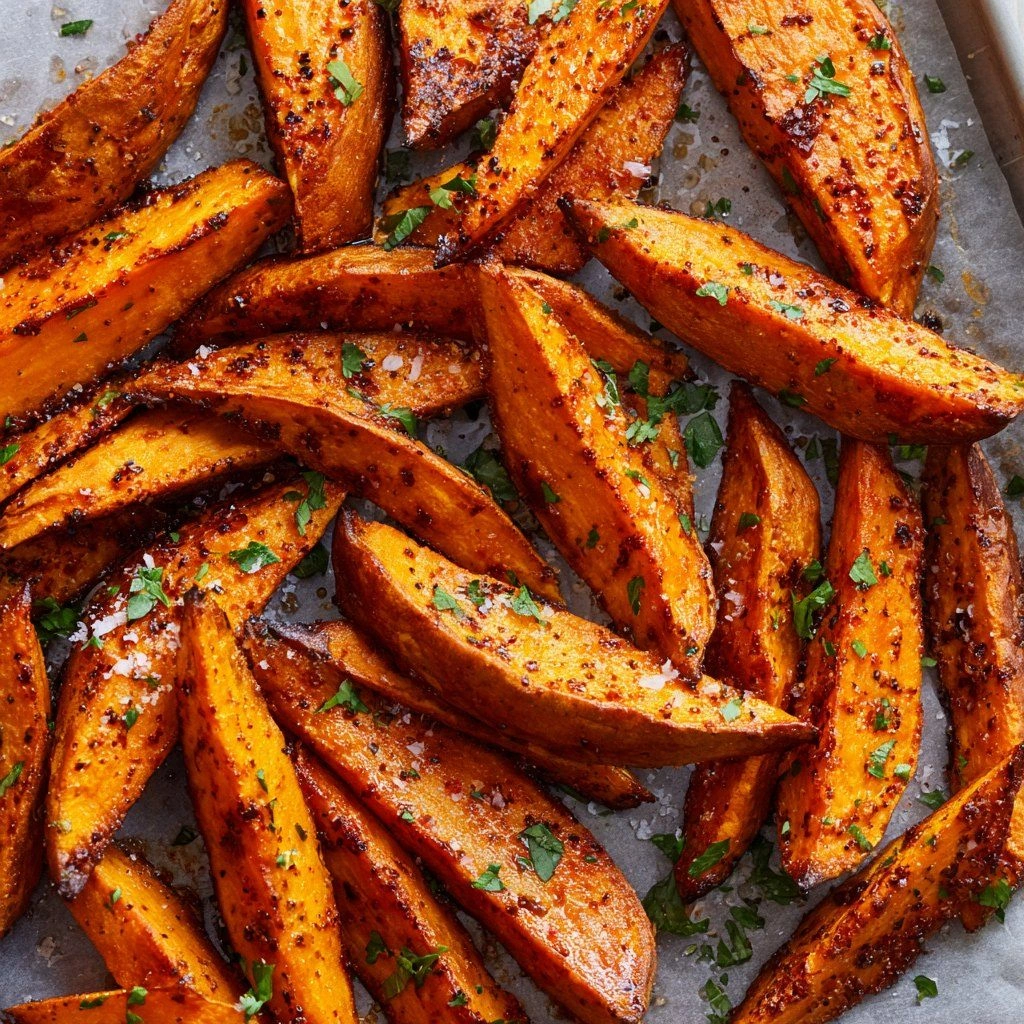
Incorporate 1 teaspoon of chipotle powder into the spice rub. The smoky heat lingers after each bite, providing a memorable finish. This variation works well with a side of roasted sweet potatoes.
Storing and Bringing It Back to Life
Fridge Storage
Cool the pork chops completely before placing them in an airtight container. Store in the refrigerator for up to 3 days. The glaze will thicken slightly, so reheat gently to restore its glossy sheen.
Freezer Friendly
Wrap each chop individually in parchment paper and place them in a freezer bag. Freeze for up to 2 months. When ready to use, thaw overnight in the refrigerator. The texture remains tender, and the glaze can be reheated without drying out.
Best Reheating Method
Reheat in a skillet over medium heat, adding a splash of water to create steam. This helps keep the pork moist. Finish by brushing the glaze over the reheated chops for a fresh, caramelized finish.