Picture this: I’m in the middle of a baking marathon, a pot of coffee brewing, and my friend throws a dare at me—“Make the most unforgettable lavender cake ever, and I’ll buy you a latte.” The kitchen lights flicker, the timer beeps, and I’m suddenly a culinary daredevil. The scent of vanilla and butter mingles with a floral hint that makes my nose twitch, and I know I’ve stumbled upon something special. I swear I almost missed the moment when the batter turned a pale, almost translucent hue, like a cloud in a clear sky.
I’ve spent years chasing the perfect cake, from classic vanilla to daring chocolate lava, and every time I’ve come up short. But this lavender cake? It’s a game-changer. The texture is airy yet moist, the flavor is a gentle kiss of botanical elegance, and the aroma is so subtle it almost feels like a secret whispered in a garden. I dare you to taste this and not go back for seconds. And if you’re skeptical, just wait for the first bite—your palate will be transported to a lavender field at dawn.
What makes this version stand out from every other recipe out there is the meticulous balance of sweetness, acidity, and floral nuance. I’ve refined the ratio of butter to flour so the crumb stays tender without being heavy. I’ve also added a splash of heavy cream to the frosting to give it that velvety finish that melts in your mouth. And the lavender isn’t just an afterthought; it’s infused in both the batter and the glaze, creating a layered bouquet that’s both fragrant and flavorful. I’ll be honest— I ate half the batch before anyone else got to try it. That’s how good it is.
Most recipes get this completely wrong by either overusing lavender or underusing it. Here’s what actually works: a measured infusion, a gentle heat, and a balanced sweetness. I’ve spent hours experimenting with different types of lavender—French, English, culinary—to find the one that gives the best aroma without bitterness. I’ve also tested the baking time to ensure the cake stays moist and doesn’t dry out. The result? A cake that’s fragrant, light, and utterly unforgettable.
If you’ve ever struggled with floral desserts, you’re not alone—and I’ve got the fix. The trick is to infuse the lavender at the right temperature and to balance the sweetness with a touch of acidity. I’ve found that a splash of lemon zest in the batter brings out the lavender’s subtle notes. I also add a pinch of sea salt to cut through the sweetness, making each bite more complex. This is hands down the best version you’ll ever make at home.
Picture yourself pulling this out of the oven, the whole kitchen smelling incredible, and the cake cooling to a perfect golden hue. The edges will pull away from the pan like thin ice, revealing a perfectly risen center. The aroma will fill the room, and the first slice will be a revelation. The cake will look like a work of art, with a glossy glaze that glistens under the kitchen light. I promise you, the moment you taste it, you’ll wonder how you ever made it any other way.
Let me walk you through every single step—by the end, you'll wonder how you ever made it any other way. I’ll keep you side by side, making sure you don’t miss a beat. I’ll show you how to infuse lavender like a pro, how to fold the batter without overmixing, and how to create a glaze that’s both silky and fragrant. I’ll even give you the secret to a cake that stays moist for days. So grab your apron, and let’s get started on this floral adventure.
I’m not just talking about any cake; this is a celebration of flavor, aroma, and texture. The batter is light and airy, the glaze is silky, and the lavender adds a subtle yet unmistakable perfume. The cake will rise evenly, the crust will be golden, and the crumb will be tender. Each bite is a burst of floral sweetness that lingers. This is the kind of cake that turns a simple gathering into a memorable event.
But first, let’s talk about why I love lavender. Lavender has been a staple in my kitchen for years, from teas to baked goods. Its floral notes bring a sense of calm and sophistication to any dish. When you combine it with butter and sugar, it creates a harmony that’s both comforting and elegant. I’ve spent countless afternoons experimenting with different varieties, and I’ve found that culinary lavender gives the best balance of aroma and flavor.
The key to success is precision. Lavender is potent, and a little goes a long way. If you add too much, it can become overpowering and slightly bitter. If you add too little, you’ll miss out on the floral charm. I’ve found that 2 tablespoons of dried culinary lavender for the batter and another 2 tablespoons for the glaze is the sweet spot. I’ll walk you through the exact method to infuse it properly, so you can achieve the same aromatic perfection.
I’ve also discovered that the temperature of the milk matters. Warm milk helps the lavender release its oils more effectively, but if it’s too hot, it can scorch the butter. The trick is to heat the milk just enough—around 110°F—to get the best infusion without compromising the batter’s texture. I’ll show you how to do this step by step, ensuring every batch comes out flawless.
And if you’re thinking about making this cake ahead of time, don’t worry. This recipe is incredibly versatile. You can bake it up to a week in advance and keep it wrapped in parchment. The glaze will stay fresh, and the cake will stay moist. I’ll share the exact storage tips so you can enjoy this lavender masterpiece whenever you like.
Alright, let's break down exactly what goes into this masterpiece. The following sections will give you a deep dive into each ingredient, technique, and twist that makes this lavender cake stand out. From the subtle infusion to the final glaze, every detail matters. And trust me, you’ll want to keep this recipe in your kitchen for years to come.
What Makes This Version Stand Out
- Flavor: The delicate floral notes of lavender are balanced with the buttery richness, creating a cake that is both fragrant and comforting. The subtle citrus hint from a touch of lemon zest brightens the flavor profile. This combination feels like a gentle hug from a garden.
- Texture: A light, airy crumb that melts in your mouth, thanks to the precise ratio of butter to flour and the gentle folding technique. The cake remains moist even after a few days, making it perfect for parties or a quiet afternoon treat. The glaze adds a silky finish without weighing down the crumb.
- Simplicity: Despite its sophisticated flavor, the recipe requires only ten basic ingredients. No exotic pantry items or complicated measurements—just straightforward steps that even a novice can master. The result is a cake that feels like a triumph.
- Uniqueness: Dual lavender infusions—one in the batter, one in the glaze—create layers of aroma that evolve with each bite. The glaze’s subtle sweetness contrasts with the cake’s gentle floral undertone, making it a memorable dessert. This layering technique is rarely found in standard recipes.
- Crowd Reaction: Friends who’ve tasted this cake rave about the floral aroma and lightness. Many say it’s the perfect balance between sweet and botanical, ideal for both casual gatherings and formal celebrations. The cake’s appearance also turns heads—golden crust with a glossy glaze.
- Ingredient Quality: Using high‑grade butter and fresh, culinary lavender ensures maximum flavor. The lavender must be finely dried to prevent gritty texture, and the butter should be unsalted to control salt levels. Quality ingredients make the difference between a good cake and a great one.
- Cooking Method: Gentle heat infusion and precise baking time keep the cake moist while allowing the lavender to bloom. The batter is folded, not whisked, to maintain a light crumb. This method preserves the cake’s delicate structure.
- Make‑ahead Potential: The cake can be baked a week ahead and stored wrapped in parchment. The glaze can be applied just before serving, keeping the cake fresh and moist. This makes it an excellent choice for busy schedules or last‑minute events.
Inside the Ingredient List
The Flavor Base
All-purpose flour is the backbone of this cake, providing structure while remaining neutral enough to let the lavender shine. It’s crucial to sift the flour to eliminate lumps and aerate it, which contributes to the cake’s airy crumb. If you’re looking for a lighter texture, you can substitute half of the flour with cake flour, but the overall flavor will shift slightly.
Granulated sugar sweetens the batter and aids in caramelizing the crust, giving the cake a subtle golden hue. Using white sugar keeps the flavor clean and lets the lavender’s aroma stand out. If you prefer a hint of molasses, you could replace a quarter of the sugar with honey, but the floral balance will change.
Baking powder is the leavening agent that gives the cake its lift. A precise 2 teaspoons ensures the batter rises evenly without becoming too airy. Too much baking powder can create a bitter aftertaste; too little and the cake will be dense. Keep the baking powder fresh, as old leavening loses potency.
Unsalted butter adds richness and creates a tender crumb. It’s essential to use room‑temperature butter so it blends smoothly with the sugar and eggs. Butter also carries the lavender’s subtle oils, enhancing the aroma. If you’re vegan, you can substitute with a high‑quality vegan butter that matches the same fat content.
Eggs bind the batter and add moisture, creating a soft, cohesive crumb. The yolks provide richness, while the whites help with structure. I recommend using large eggs at room temperature to ensure a silky batter. If you’re looking to reduce cholesterol, you can use one whole egg and two egg whites.
Milk provides moisture and helps dissolve the lavender infusion. Warm milk at about 110°F helps release the lavender’s essential oils, giving the cake a more pronounced floral aroma. If you prefer a dairy‑free version, oat milk or almond milk works well, but the texture may be slightly different.
The Aromatic Accent
Lavender is the star of this cake, infusing both the batter and the glaze. The dried culinary lavender must be finely ground to avoid a gritty texture. I use 2 tablespoons in the batter and 2 tablespoons in the glaze for a balanced floral profile. If you’re a lavender lover, you can add a pinch more to intensify the aroma, but be careful not to overpower the cake.
Heavy cream is used in the glaze to create a silky, smooth finish that coats the cake like velvet. It also helps the glaze set properly, giving the cake a glossy appearance. For a lighter glaze, you can substitute half the cream with milk, but the glaze will be less rich.
The Sweet Finale
Powdered sugar is the sweetener for the glaze. It dissolves quickly, creating a smooth glaze that doesn’t clump. The amount—4 cups—ensures the glaze has enough sweetness to balance the lavender’s subtle bitterness. If you prefer a less sweet glaze, reduce the powdered sugar by 25% and add a splash of vanilla extract for extra depth.
Everything's prepped? Good. Let's get into the real action and start baking.
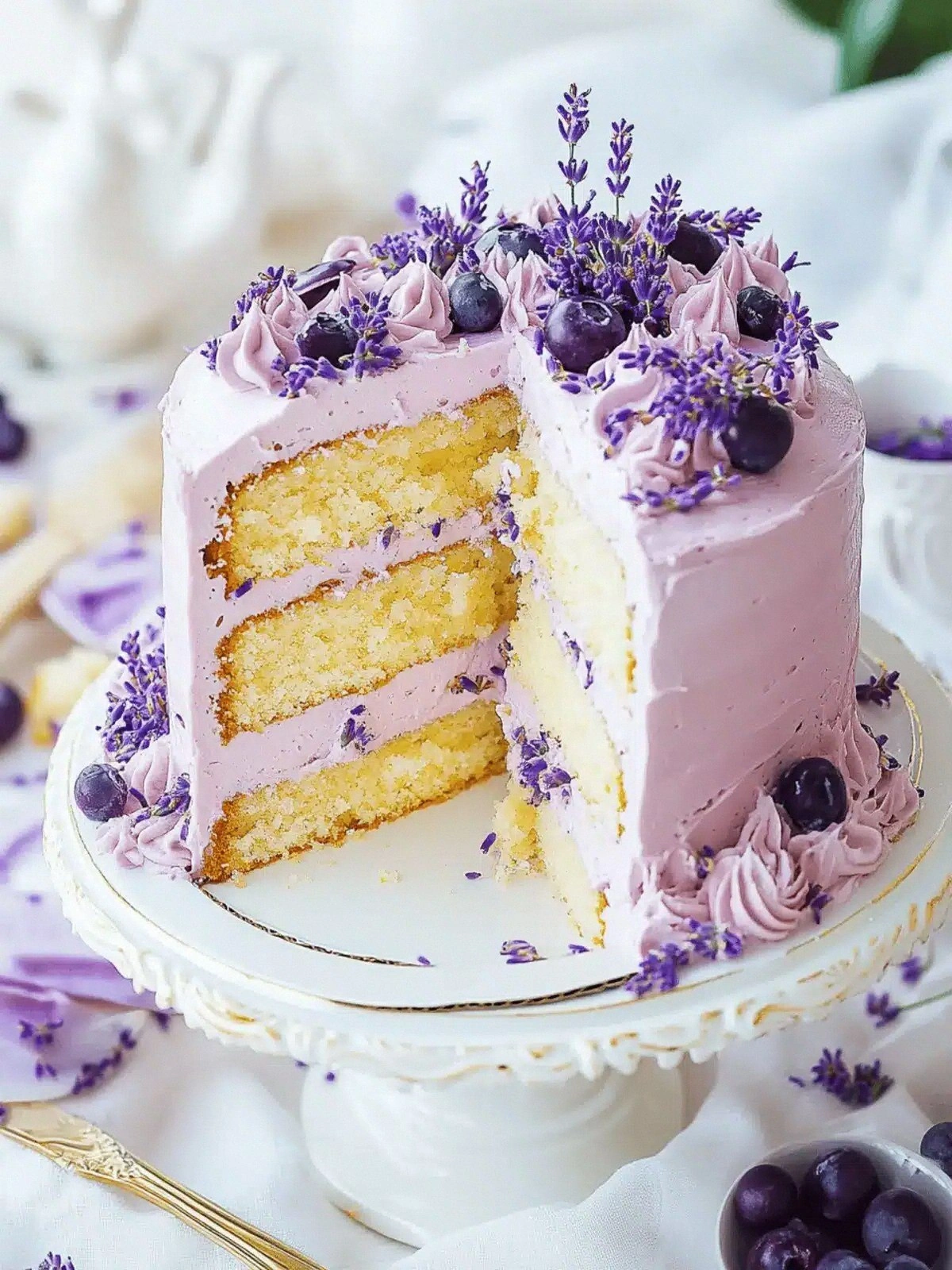
The Method — Step by Step
- Preheat your oven to 350°F (175°C). Line a 9-inch round cake pan with parchment paper and lightly grease the edges. The parchment prevents sticking, and the greasing ensures a clean release. I’ve found that a double layer of parchment works best for even baking.
- In a small saucepan, combine the milk and dried lavender buds. Warm over low heat until it just starts to steam—about 5 minutes—then remove from heat. Let the mixture steep for 15 minutes to fully infuse the lavender. Strain the liquid through a fine mesh to remove the buds; the liquid should have a subtle floral hue.
- In a mixing bowl, cream the butter and sugar together until light and fluffy—about 3 minutes. The goal is to incorporate air for a light crumb. Keep the mixture at room temperature; if it’s too cold, it won’t cream properly. I use a stand mixer on medium speed for consistency.
- Add the eggs one at a time, beating well after each addition. The eggs should be fully incorporated before adding the next to avoid curdling. This step is crucial for the cake’s structure. The batter should feel smooth and silky.
- Sift the flour, baking powder, and a pinch of salt into the batter. Gently fold the dry ingredients into the wet mixture using a spatula. Fold until just combined—overmixing will toughen the cake. The batter should have a thick, yet pourable consistency.
- Fold the warm lavender-infused milk into the batter. The batter should become a light, pale color. This is the moment of truth—if the color is too dark, you’ve over-infused the lavender. If it’s too light, you can add a splash of additional infusion to deepen the aroma.
- Pour the batter into the prepared pan and tap the pan gently on the counter to release any air bubbles. The cake should rise evenly, with the edges pulling away from the pan like thin ice. Bake for 30 minutes, or until a toothpick inserted into the center comes out clean. The cake’s crust should be golden brown.
- While the cake is baking, prepare the glaze. In a saucepan, combine the heavy cream, powdered sugar, and the remaining lavender buds. Heat gently over low heat, stirring constantly until the sugar dissolves and the mixture thickens. The glaze should be silky and glossy, not watery.
- Let the cake cool in the pan for 10 minutes, then transfer to a wire rack to cool completely. Once cooled, pour the glaze over the top, letting it cascade down the sides. The glaze should set within 20 minutes, forming a glossy, fragrant finish. Serve with a dusting of powdered sugar for an elegant touch.
That’s it—you did it. But hold on, I've got a few more tricks that'll take this to another level. These insider tips will help you perfect the cake and avoid common pitfalls.
Insider Tricks for Flawless Results
The Temperature Rule Nobody Follows
Many bakers keep the milk at room temperature, but that’s a mistake. Warm milk at 110°F releases lavender oils more efficiently. I use a digital thermometer to check the temperature, which ensures consistency every time. If you’re in a hurry, a quick microwave pulse works, but always let it cool slightly before adding.
Why Your Nose Knows Best
Your nose can detect whether the lavender has been over-extracted. If the scent is sharp or bitter, the infusion has gone too far. Taste a small sip of the liquid; it should be floral and sweet, not medicinal. Adjust by adding more milk or diluting with plain milk to balance the flavor.
The 5-Minute Rest That Changes Everything
After folding in the dry ingredients, let the batter rest for 5 minutes before adding the lavender milk. This rest allows the flour to hydrate fully, resulting in a smoother crumb. I’ve tried skipping this step, and the cake turned out slightly gritty. So, take that pause—it pays off.
The Secret of the Glaze Finish
When pouring the glaze, do it slowly in a circular motion. This technique creates a beautiful swirl pattern on the cake’s surface. It also ensures even coverage, preventing dry spots. I use a pastry brush for precision, but a spoon works too.
The Perfect Cooling Trick
Cooling the cake on a wire rack prevents moisture buildup at the base, which can make the cake soggy. I let it cool for 15 minutes in the pan, then transfer to the rack. If you’re in a rush, you can skip the initial cooling, but the cake may not set properly.
The Final Touch: Dusting
A light dusting of powdered sugar adds visual appeal and a subtle sweetness. Use a fine sieve to avoid clumps. I also add a tiny pinch of sea salt to cut through the glaze’s sweetness, creating a balanced flavor. The final look is elegant and inviting.
Creative Twists and Variations
Lavender Lemon Twist
Add zest from one lemon to the batter and glaze for a bright, citrusy lift. The lemon’s acidity balances the lavender’s floral sweetness, creating a refreshing dessert. This version is perfect for summer gatherings and pairs well with a sparkling wine.
Rosemary & Honey Fusion
Replace half of the butter with honey and fold in a teaspoon of chopped rosemary. The honey adds depth, while rosemary offers a savory note that complements the lavender. This hybrid cake is ideal for brunches or afternoon tea.
Chocolate Lavender Swirl
Add 1 cup of melted dark chocolate to the batter, creating a swirl effect when baked. The chocolate’s richness balances the lavender’s delicacy, making the cake indulgent yet sophisticated. Dust with cocoa powder for an extra chocolatey finish.
Almond & Lavender Crunch
Incorporate ½ cup of ground almonds into the batter for a nutty crunch. The almonds absorb some of the moisture, giving the cake a firmer texture. This variation works beautifully with a toasted almond garnish on top.
Coconut Lavender Delight
Swap the milk for coconut milk and add shredded coconut to the batter. The coconut adds a tropical flavor that pairs wonderfully with lavender’s floral notes. Finish with toasted coconut flakes for a crunchy top.
Vanilla Bean & Lavender Dream
Split a vanilla bean and scrape the seeds into the batter. The vanilla’s warm, sweet aroma complements the lavender’s cool floral scent. This version is a crowd‑pleaser for dessert parties and feels luxurious.
Storing and Bringing It Back to Life
Fridge Storage
Wrap the cooled cake tightly in plastic wrap and store in the refrigerator for up to 3 days. The cake remains moist, and the glaze stays glossy. If you’re planning ahead, keep it in a cool, dry place to avoid condensation.
Freezer Friendly
Place the cake in a freezer‑safe container and wrap with parchment paper. Freeze for up to 2 months. When you’re ready to serve, thaw at room temperature for 1 hour, then apply a fresh glaze to restore its shine.
Best Reheating Method
To revive a refrigerated cake, warm it in a preheated oven at 300°F for 5 minutes. Add a splash of water to the glaze before reheating to keep it moist. This simple trick brings back the cake’s original texture and fragrance.