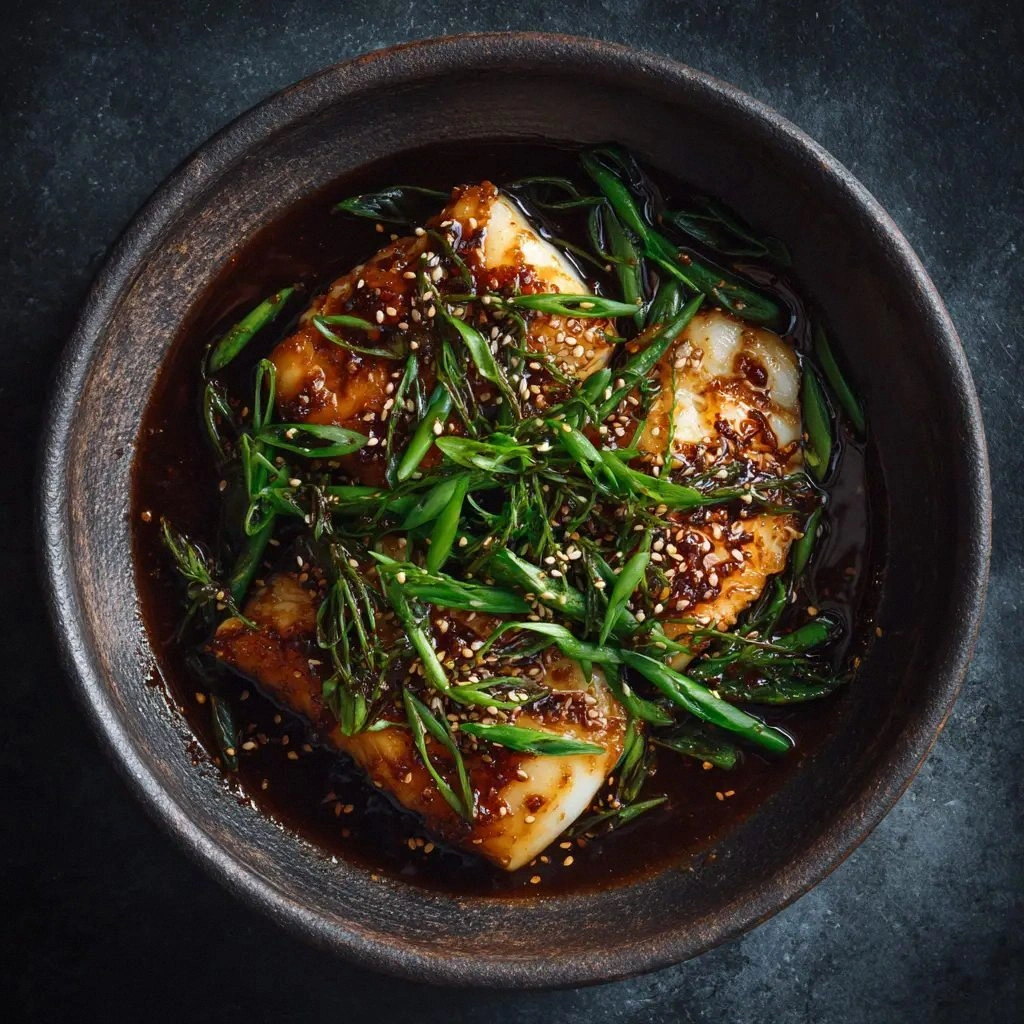
Picture this: I’m standing in my cramped kitchen, the fridge door swinging open like a secret vault, and I’m staring at a bag of white fish fillets that have been sitting there since last week’s dinner. I’ve tried every recipe I could find—pan‑frying, baking, steaming—yet each time the fish comes out either dry or mushy, and the sauce feels like a vague whisper rather than a bold statement. The moment I tossed those fillets into a hot skillet, the sizzle sounded like applause, and I knew something was about to change. The aroma of ginger and garlic hit me like a fresh wave, and I realized that what I was about to create was not just another dinner, but a culinary revelation that would haunt my taste buds for weeks.
I was on a mission: to turn a simple fish fillet into a dish that sings with umami, brightness, and a whisper of sweetness—all in under 20 minutes. The secret? A marriage of soy, ginger, and a splash of rice vinegar that coats the fish like silk, while sesame oil adds a nutty finish that lingers. I dare you to taste this and not go back for seconds, because once you bite into that tender flesh, the flavors will explode in a way that makes you question all your past fish recipes. If you’re thinking “I’ve never seen ginger used that boldly,” let me assure you, this is hands down the best version you’ll ever make at home.
Most recipes get this completely wrong. They either over‑cook the fish, dilute the sauce with too much water, or forget the critical step of searing before glazing. I’ve learned from my own kitchen catastrophes—like the time I tried to flambé the sauce and nearly set the ceiling on fire—that precision matters. That’s why I’m going to walk you through every single step, from the first sizzle to the final garnish, so by the end, you’ll wonder how you ever made it any other way. Get ready to turn your stovetop into a stage and your fish into a show‑stopper.
And now, let’s dive into what makes this version stand out. I’ll break down the elements that elevate a humble fillet into a restaurant‑grade dish, and I’ll sprinkle in a few kitchen hacks to keep the process smooth and the results stellar.
What Makes This Version Stand Out
- Flavor: The sauce balances salty, sweet, and umami in a way that lingers on the palate. The ginger adds a fresh bite that cuts through the richness of the fish, while the honey brings a caramelized note.
- Texture: The fish gets a crisp, caramelized exterior that shatters like thin ice when you bite, while the interior stays moist and flaky.
- Speed: From prep to plate, you’re looking at less than 30 minutes—perfect for a weekday dinner that still feels special.
- Ingredient Quality: Using low‑sodium soy sauce and fresh ginger keeps the dish clean and bright, avoiding the heavy, cloying flavors of processed sauces.
- Versatility: Swap cod for halibut or sea bass, and the recipe still shines. It also works as a protein for rice bowls, salads, or even as a topping for flatbread.
- Crowd‑Pleaser: The vibrant colors and bold flavors make it a hit at dinner parties—everyone will ask for the recipe.
- Make‑ahead Friendly: You can prep the sauce ahead of time, chill it, and reheat the fish when you’re ready to serve. The flavors only deepen.
- Health‑Conscious: Low in carbs, high in protein, and packed with omega‑3s from the fish, this dish is as nutritious as it is delicious.
Alright, let's break down exactly what goes into this masterpiece...
Inside the Ingredient List
The Flavor Base
Low‑sodium soy sauce is the backbone of this dish, providing depth and that unmistakable umami punch. Because it’s low‑sodium, you have room to adjust the salt later without overwhelming the palate. If you don’t have low‑sodium soy, regular soy will work—just reduce the added salt accordingly. A quick tip: chill the soy sauce before adding it to the pan; it helps the sauce caramelize faster, giving you that glossy finish.
The Texture Crew
The fish itself is the star of the show. Opt for fillets that are at least 1.5 lbs to ensure you have enough for four servings. Freshness matters—look for bright, firm flesh that doesn’t have a strong “fishy” odor. If you’re using a thicker cut, you might want to pound it slightly to even out the thickness; that way, it cooks uniformly and keeps the texture tender.
The Unexpected Star
Fresh ginger is the secret weapon that turns a simple sauce into a flavor explosion. It brings a bright, peppery heat that cuts through the richness of the fish and balances the sweetness of honey. If you’re not a fan of raw ginger, you can lightly sauté it with garlic to mellow the heat—just be careful not to overcook it, or it will lose its zing.
The Final Flourish
Cilantro and scallions add a fresh, herbal contrast that lifts the dish. They also introduce a subtle crunch when you bite into the scallion stems. If you’re not a cilantro fan, you can substitute parsley or basil, but the bright green finish will change. A quick buying tip: choose cilantro with dark, glossy leaves—those are the freshest and most flavorful.
Everything's prepped? Good. Let's get into the real action...
The Method — Step by Step
- Begin by patting the fish fillets dry with paper towels. A dry surface ensures a perfect sear; moisture is the enemy of a crisp crust. Season both sides generously with salt and freshly ground black pepper, letting the seasoning penetrate for a minute.
- Heat a large non‑stick skillet over medium‑high heat and pour in the avocado oil. Once the oil shimmers but isn’t smoking, slide the fillets into the pan. You should hear a satisfying sizzle—this is the sound of flavor forming.
- Let the fish cook undisturbed for 3 to 4 minutes on the first side. The edges will start to brown, and you’ll see a golden crust forming. Don’t rush this step; the crust protects the interior from drying out.
- Flip the fillets gently with a spatula and cook the second side for another 2 to 3 minutes. The fish should still be slightly translucent in the center; it will firm up as it rests. This is the moment of truth—watch the color change.
- While the fish is searing, prepare the sauce. In a small bowl, whisk together low‑sodium soy sauce, minced ginger, minced garlic, rice vinegar, sesame oil, and honey. The mixture should be smooth, with the honey fully dissolved.
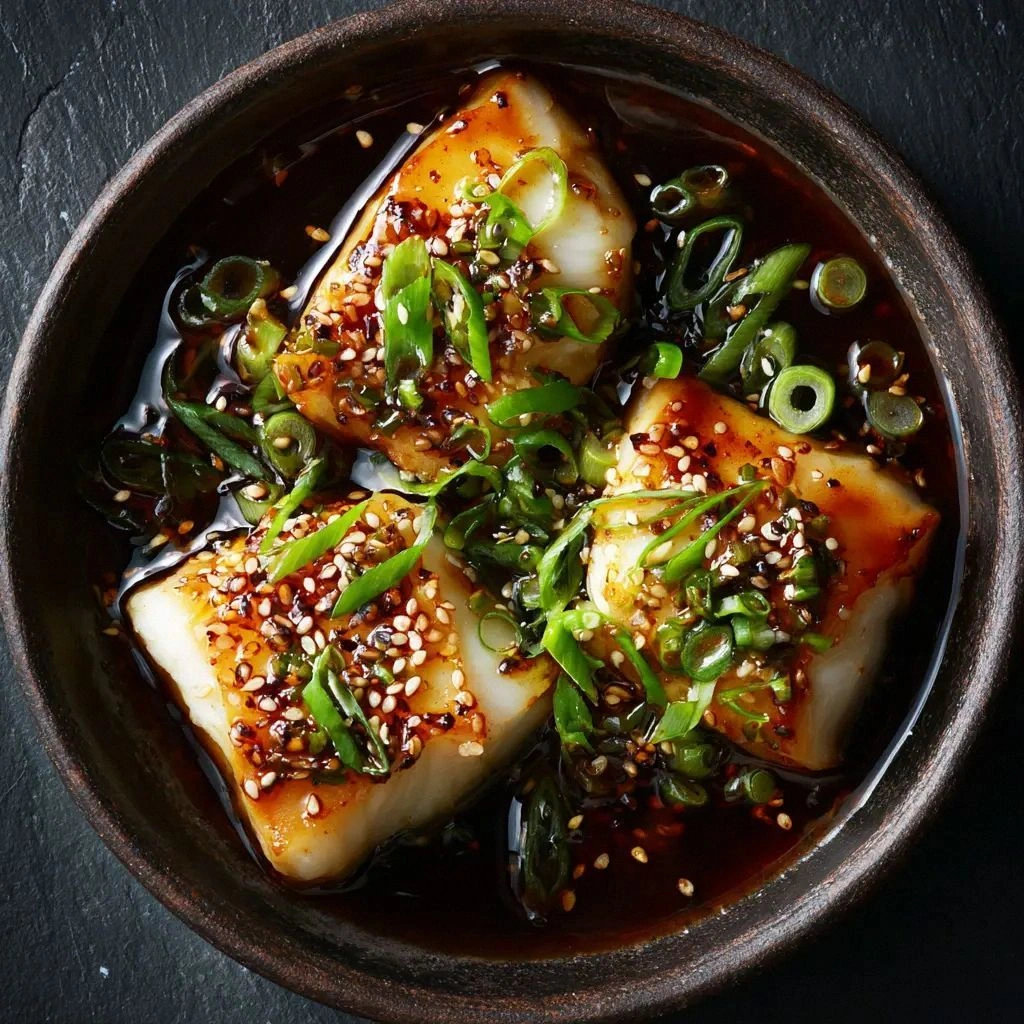
- Once the fish has a nice crust, pour the sauce over it, ensuring the fillets are coated evenly. The sauce should sizzle as it hits the hot surface, releasing a fragrant aroma that fills the kitchen.
- Reduce the heat to medium and let the fish simmer in the sauce for 2 minutes. The sauce will thicken slightly and glaze the fish, turning it into a glossy, caramelized coating.
- Add the sliced scallions to the pan, letting them wilt into the sauce. This step adds a fresh, slightly crunchy element that balances the richness.
- Finish by sprinkling chopped cilantro over the fish. The cilantro’s bright green color and subtle citrus notes cut through the sweetness and add a vibrant finish.
- Serve immediately over steamed rice, quinoa, or a bed of sautéed greens. The sauce will cling to the grains, creating a harmonious bite that showcases the fish’s tender texture.
That's it — you did it. But hold on, I've got a few more tricks that'll take this to another level...
Insider Tricks for Flawless Results
The Temperature Rule Nobody Follows
Many cooks over‑cook fish by keeping the heat too high. The trick is to use medium‑high heat for the sear, then drop to medium for the glaze. This ensures the exterior is caramelized while the interior remains juicy. If you’re using a thicker fillet, a lower heat for the first minute can prevent the outside from burning before the inside cooks.
Why Your Nose Knows Best
Trust the aroma as your guide. When the sauce starts to bubble, you’ll detect a sweet, slightly tangy scent that signals the glaze is ready. If the scent is too sharp, it means the sauce is still too watery; give it a few more minutes.
The 5‑Minute Rest That Changes Everything
After removing the fish from the pan, let it rest on a plate for 5 minutes. This allows the juices to redistribute, keeping the flesh tender. If you skip this step, the fish will be a bit dry and the sauce will cling to the pan instead of the fish.
The Secret Ingredient Swap
If you’re allergic to sesame oil, substitute toasted sesame seeds for a nutty flavor. Sprinkle them on top of the finished dish; they add a crunchy contrast that pairs beautifully with the silky sauce.
The Scallion Trick
Use the white part of the scallion for the sauce, and reserve the green part for garnish. The white part is milder and won’t overpower the delicate fish, while the green adds a pop of color and fresh bite.
Creative Twists and Variations
This recipe is a playground. Here are some of my favorite ways to switch things up:
Spicy Sriracha Kick
Add a tablespoon of Sriracha to the sauce for a fiery edge. It pairs beautifully with the sweet honey, creating a balanced heat that will keep guests coming back for more.
Coconut Cream Finish
Stir in a splash of coconut milk at the end for a creamy, tropical finish. The coconut’s mild sweetness complements the ginger and soy, making this version perfect for a beach‑inspired dinner.
Miso‑Infused Variation
Replace half the soy sauce with white miso paste. The miso adds depth and umami, turning the sauce into a richer, more complex glaze that’s great for a cozy night in.
Vegetarian Option
Swap the fish for thick slices of marinated tofu or tempeh. The tofu will absorb the sauce wonderfully, giving you a protein‑rich, plant‑based version that still delivers the same bold flavors.
Asian Noodle Bowl
Serve the glazed fish over a bed of soba noodles, drizzled with extra sauce, and topped with pickled cucumber. This bowl takes the dish into the realm of a quick, satisfying lunch.
Storing and Bringing It Back to Life
Fridge Storage
Store the cooked fish and sauce separately in airtight containers for up to 3 days. Keep the sauce chilled; it will thicken slightly as it cools.
Freezer Friendly
Freeze the fish in a single layer on a parchment‑lined tray before transferring to a freezer bag. Cook directly from frozen, adding a few extra minutes to the sear to ensure the fish is heated through.
Best Reheating Method
Reheat the fish in a skillet over medium heat, adding a splash of water or broth to create steam. This will keep the flesh moist and re‑introduce the sauce’s glossy sheen. A quick tip: finish with a drizzle of sesame oil for extra aroma.