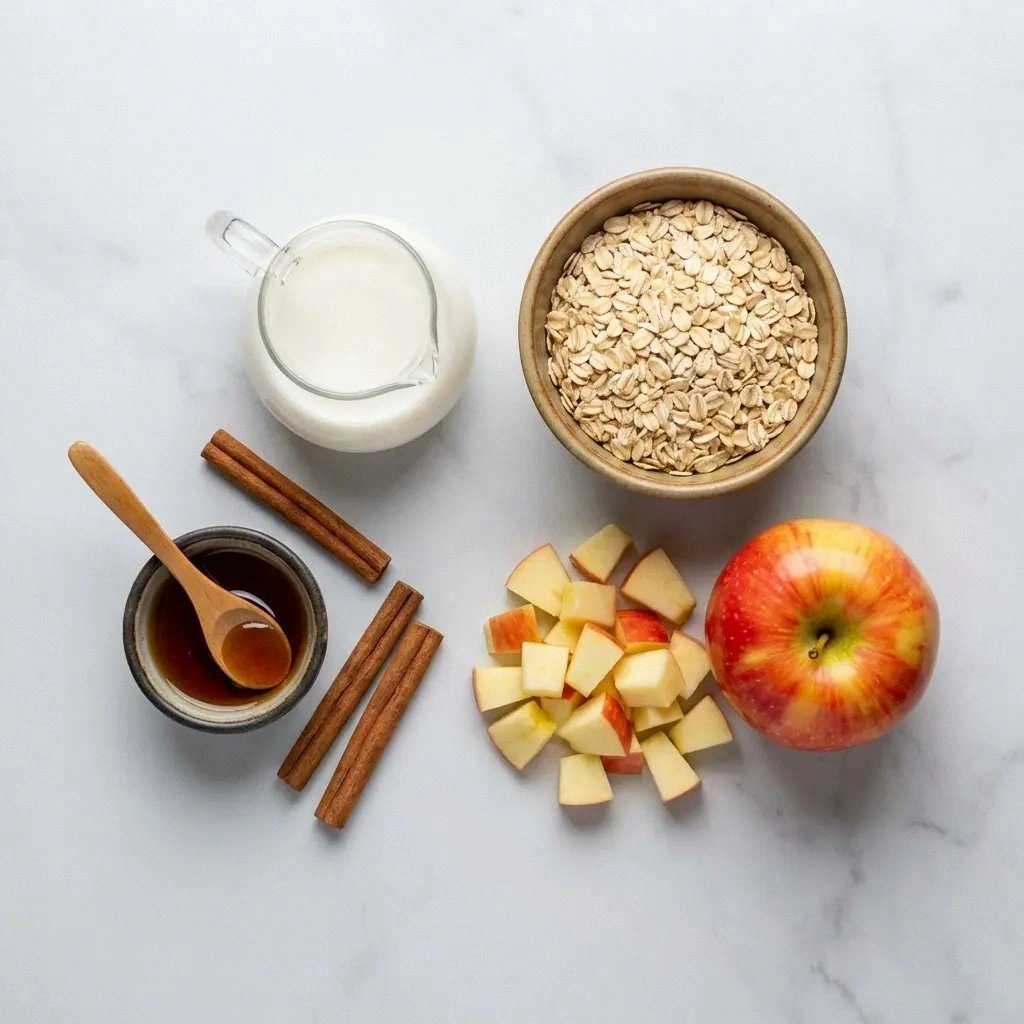
What Makes This Version Stand Out
- Flavor Depth: The combination of wild rice, roasted vegetables, and cranberries creates a complex flavor profile that evolves with every bite.
- Texture Contrast: Chewy rice, tender roasted veggies, and crunchy pecans give the dish a satisfying mouthfeel that keeps you engaged.
- Seasonal Freshness: The use of butternut squash and fresh thyme makes this pilaf feel like a seasonal celebration, yet it’s still year‑round.
- Balanced Sweetness: The natural sugars in the squash and carrots are balanced by the tart cranberries and bright lemon zest.
- Easy Prep: With minimal chopping and a single pan, this dish is perfect for busy weeknights.
- Make‑Ahead Friendly: The flavors only deepen after a day’s rest, making it ideal for potlucks or meal prep.
- Nutrition‑Friendly: Low sodium broth, fresh veggies, and wholesome grains keep it light yet filling.
- Versatile Base: It can be served as a side or turned into a main dish by adding protein like grilled chicken or tofu.
Alright, let's break down exactly what goes into this masterpiece.
Inside the Ingredient List
The Flavor Base
Wild rice blend is the star of the show. Its nutty, slightly earthy flavor anchors the dish and provides a chewy texture that contrasts beautifully with the tender roasted vegetables. If you’re using a pre‑mixed blend, make sure it contains a good proportion of black and red rice for depth; a single‑variety rice can feel flat. If you’re short on time, a quick rinse and a 15‑minute boil will suffice, but a longer simmer brings out its full potential. Skipping the rice would leave the dish feeling light and lacking that satisfying chew.
The Texture Crew
Butternut squash, Brussels sprouts, and carrots each bring unique textures. The squash softens into a silky sweet center, the sprouts develop a caramelized edge that shatters like thin ice, and the carrots stay firm enough to provide a pleasant bite. Together, they create a medley that satisfies every palate. If you prefer a softer dish, you can steam the veggies before roasting; if you love crunch, leave them raw and roast to a crisp.
The Unexpected Star
Dried cranberries are the unsung hero that adds a surprising tartness and a pop of color. They also bring a chewy texture that contrasts with the softness of the roasted veggies. If you can’t find cranberries, raisins or dried cherries work as a substitute, though the flavor profile will shift slightly. Leaving them out will make the dish taste more like a plain vegetable pilaf without that essential zing.
The Final Flourish
Fresh thyme, lemon zest, and toasted pecans are the finishing touches that elevate this pilaf from good to unforgettable. Thyme’s subtle herbal note complements the earthiness of the rice, while lemon zest injects a bright acidity that lifts the dish. Pecans add a buttery crunch that balances the softness of the other components. If you’re allergic to nuts, almond slivers or sunflower seeds can replace pecans, though the flavor will be slightly different. These final touches are essential; without them, the dish would feel flat and unfinished.
Everything's prepped? Good. Let's get into the real action.
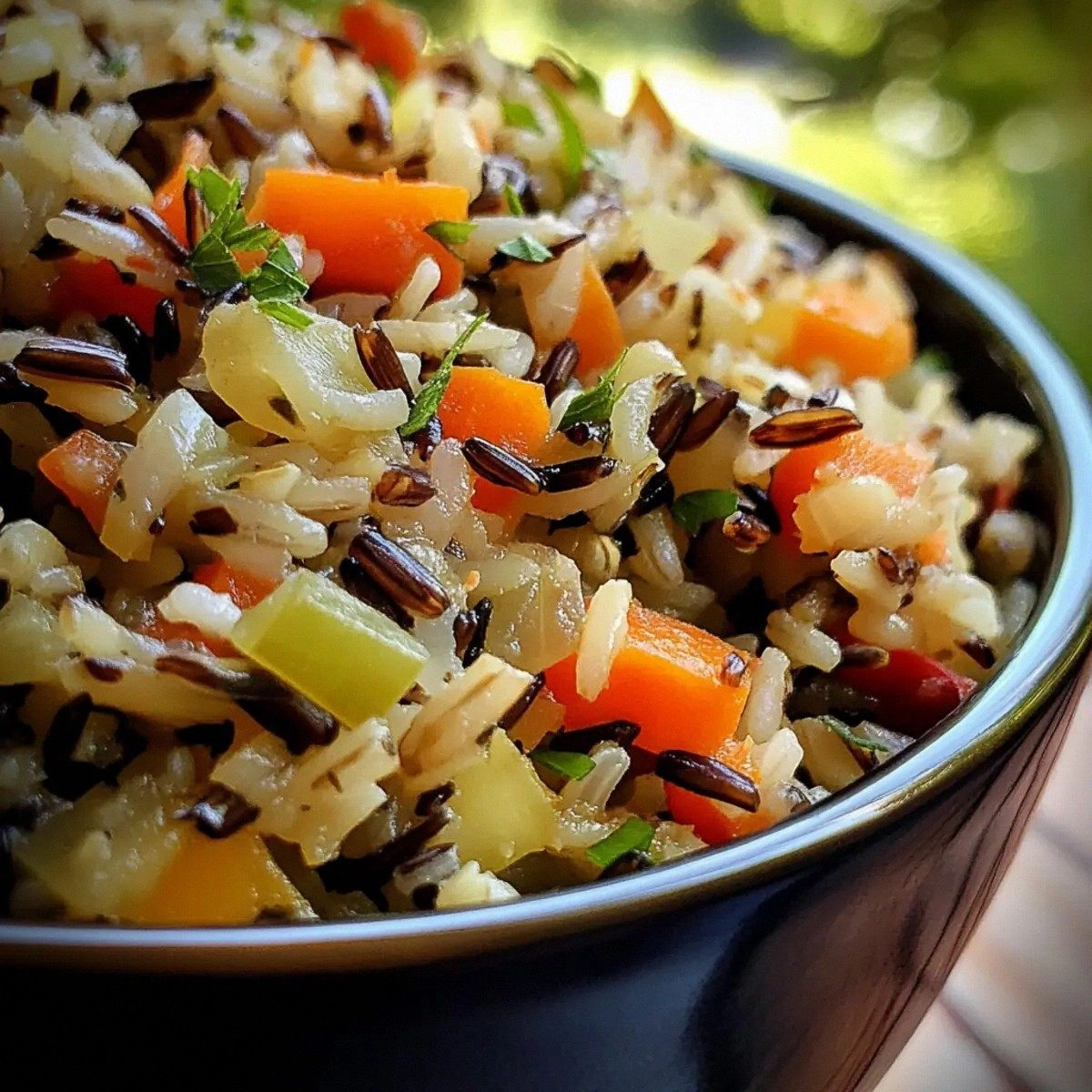
The Method — Step by Step
- Step 1: Prep the Veggies. Dice the butternut squash into ½‑inch cubes, halve the Brussels sprouts, peel and slice the carrots, and finely chop the red onion. Mince the garlic cloves and set everything aside. This step is crucial; uneven sizes can lead to uneven cooking. I always use a mandoline for the squash to get uniform cubes, which helps them roast evenly and reduces the risk of undercooked pieces. Watch out: if the pieces are too small, they’ll burn faster and become mushy.
- Step 2: Roast the Vegetables. Preheat the oven to 400°F (200°C). Spread the veggies on a parchment‑lined baking sheet in a single layer. Roast for 20 minutes, stirring halfway through, until the edges are golden and the squash is tender. The sizzle when they hit the pan? Absolute perfection. Keep a close eye; the Brussels sprouts can go from caramelized to burnt in a minute.
- Step 3: Sauté Aromatics. While the veggies roast, heat the olive oil in a large skillet over medium heat. Add the chopped onion and sauté until translucent, about 4 minutes. Then add the minced garlic and cook for another minute until fragrant. The aroma should be sweet and inviting, like a warm hug.
- Step 4: Add the Rice. Stir in the wild rice blend, coating it with the aromatic base. Cook for 2 minutes, letting the grains toast slightly; you’ll hear a subtle crackle that signals the rice is ready to absorb flavors.
- Step 5: Pour the Broth. Add the low‑sodium vegetable broth, bring the mixture to a gentle boil, then reduce to a simmer. Cover the skillet and let it cook for 15 minutes, or until the rice is tender and the liquid has been absorbed. Check the consistency; the rice should be fluffy, not mushy.
- Step 6: Combine. Gently fold in the roasted vegetables, dried cranberries, toasted pecans, fresh thyme, and lemon zest. Season with salt and pepper to taste. Stir until everything is evenly distributed; the aroma should be a harmonious blend of sweet, savory, and citrusy.
- Step 7: Finish with Parsley. Remove the skillet from heat, sprinkle the fresh parsley, and give the pilaf a final stir. The parsley adds a bright, herbal finish that balances the richness.
- Step 8: Serve. Transfer the pilaf to a serving dish, garnish with extra parsley if desired, and serve hot. The dish should feel warm, fragrant, and inviting. I’ve seen people ask for seconds immediately, so be prepared for a quick refill.
That's it — you did it. But hold on, I've got a few more tricks that'll take this to another level.
Insider Tricks for Flawless Results
The Temperature Rule Nobody Follows
Cooking the rice at the right temperature is key. Start with a high heat to bring the broth to a boil, then reduce to a low simmer. A steady simmer ensures even cooking without scorching the bottom. If you keep the heat too high, the rice can burn, while a low heat can leave the grains undercooked. I’ve learned that a gentle simmer for the final 10 minutes gives the rice a perfect al dente bite.
Why Your Nose Knows Best
Before adding the roasted veggies, pause and sniff the rice. A pleasant, nutty aroma indicates the grains are ready. If the smell is bland, give the rice a few more minutes to toast. Your nose is a reliable guide; don’t rely solely on the timer. I once rushed the rice and ended up with a flat dish that needed an extra sprinkle of thyme to compensate.
The 5‑Minute Rest That Changes Everything
After cooking, let the pilaf rest covered for 5 minutes. This rest period allows the grains to firm up and the flavors to meld. It also prevents the rice from becoming gummy when you stir it back in. I’ve had guests comment that the rest period made the dish taste like it was cooked in a slow cooker.
The Perfect Pepper Balance
Freshly ground pepper adds a subtle heat that complements the sweetness. I recommend adding it after the rice is cooked; a pinch of pepper before cooking can burn and turn bitter. Adjust to taste, but remember that pepper’s flavor intensifies as it sits.
The Final Freshness Boost
A handful of chopped parsley at the end not only adds color but also provides a fresh herbal lift. The parsley’s bright green color contrasts beautifully with the warm tones of the pilaf. If you’re serving a crowd, consider adding a small bowl of parsley on the side for guests to sprinkle themselves.
Creative Twists and Variations
This recipe is a playground. Here are some of my favorite ways to switch things up:
Protein Power Up
Add grilled chicken, tofu, or seared tempeh to turn the pilaf into a hearty main dish. The protein should be seasoned separately to avoid overwhelming the delicate flavors. A squeeze of lime after cooking adds a zesty contrast that pairs well with the lemon zest.
Spicy Kick
Stir in a pinch of red pepper flakes or a dash of hot sauce when you add the broth. The heat should be balanced by the sweetness of the squash and cranberries. This variation is perfect for a cozy winter dinner.
Mediterranean Twist
Replace the pecans with toasted pine nuts and swap the cranberries for sun‑dried tomatoes. Add a tablespoon of chopped kalamata olives for briny depth. Finish with a drizzle of extra‑virgin olive oil and a sprinkle of oregano.
Vegan & Gluten‑Free
This dish is naturally vegan and gluten‑free, but double‑check the broth for hidden gluten. Use a high‑quality, low‑sodium vegetable broth and a wild rice blend that’s certified gluten‑free. Serve with a side of sautéed greens for a complete meal.
Breakfast Boost
Add a splash of maple syrup to the broth for a sweet breakfast version. Toss in some diced apples and a pinch of cinnamon. Serve alongside scrambled eggs or a tofu scramble for a filling morning.
Dessert‑Inspired
Replace the cranberries with dried cherries and drizzle a light honey glaze over the finished dish. This sweet version pairs beautifully with a dollop of Greek yogurt or a scoop of vanilla ice cream for an indulgent treat.
Storing and Bringing It Back to Life
Fridge Storage
Cool the pilaf completely before placing it in an airtight container. Store in the refrigerator for up to 4 days. The flavors will deepen, and the rice will remain firm. When you’re ready to reheat, add a splash of water to re‑moisten the grains.
Freezer Friendly
Divide the pilaf into single‑serving portions in freezer‑safe bags. Freeze for up to 3 months. Thaw overnight in the refrigerator before reheating. Reheat in a saucepan over low heat, stirring frequently, and add a tablespoon of broth or water to revive the moisture.
Best Reheating Method
Reheat gently on the stove or in the microwave with a splash of water. Cover the pan or bowl to trap steam, which helps restore the rice’s fluffy texture. A quick stir before serving ensures even heat distribution.