I was standing in the kitchen, staring at a pot of overcooked pasta that had turned into a sad, mushy mess, when a friend texted me a link to a recipe that promised “the ultimate creamy Cajun shrimp pasta.” The moment I clicked, my stomach lurched with a mix of hope and disbelief—could a dish truly turn a kitchen disaster into a triumph? I pictured a plate where the pasta glistens like silk, the shrimp sears with a crisp edge that shatters like thin ice, and the sauce clings to every strand like velvet. That vision ignited a culinary dare: I would cook this, taste it, and then challenge you to resist the second helping.
From the first sizzle of olive oil, the aroma of garlic and onion unfurling in a pan was like a warm hug that says, “You’re home.” The sizzling sound, the faint crackle of butter, and the bright pop of red bell pepper sliced thin—each element builds a sensory orchestra. As the shrimp glimmered with a pink blush, the sauce thickened, its richness deepening into a creamy, slightly smoky canvas. The kitchen filled with the comforting scent of paprika, cayenne, and fresh parsley, turning the space into a fragrant haven. When I finally tasted the first bite, the heat danced on my tongue while the cream soothed the spice, creating a harmonious balance that felt like a perfectly choreographed dance.
What makes this version stand out is not just the ingredients but the method—every step is designed to amplify flavor while keeping the process approachable. I dare you to taste this and not go back for seconds, because the layers of Cajun seasoning, smoked paprika, and a splash of heavy cream create a depth that most recipes miss. This is hands down the best version you'll ever make at home, and I’m not exaggerating—my taste buds have never felt this satisfied. I’ll be honest—I ate half the batch before anyone else got to try it—proof that the flavors are that addictive. Most recipes get this completely wrong, focusing on either overcooking the shrimp or under-seasoning the sauce; here, both are addressed with precision. Picture yourself pulling this out of the pan, the whole kitchen smelling incredible, and watching your friends’ eyes widen as they take their first bite.
And now, let me walk you through every single step—by the end, you'll wonder how you ever made it any other way. From selecting the freshest shrimp to mastering the timing of the sauce, every detail has been honed to perfection. The secret is in the balance: the right amount of heat, a velvety sauce, and pasta that holds its shape like a loyal companion. I’ll share the techniques that keep the shrimp tender, the sauce silky, and the dish unforgettable. Stay with me here—this is worth it, because the payoff is a plate that feels like a hug in a bowl. Let’s dive into the magic that turns ordinary ingredients into extraordinary flavor.
What Makes This Version Stand Out
- Flavor: The blend of Cajun seasoning, smoked paprika, and a hint of cayenne creates a heat profile that’s bold yet balanced. The spices are toasted to release their full aroma, ensuring each bite is packed with depth.
- Texture: The shrimp stay juicy and firm because they’re cooked to a precise pink center, while the pasta retains its al dente bite, providing a satisfying contrast.
- Creaminess: Heavy cream and Parmesan cheese fuse into a silky sauce that coats the pasta like velvet, without feeling greasy.
- Convenience: Every step takes under 45 minutes, making it a perfect weeknight dinner that still feels gourmet.
- Versatility: Swap the shrimp for scallops, chicken, or tofu, and the dish adapts effortlessly to dietary preferences.
- Presentation: The bright red bell pepper and fresh parsley garnish add a pop of color that turns the dish into a feast for the eyes.
- Crowd Appeal: Even the most skeptical diners can’t resist the combination of spice, cream, and protein—guaranteed to be a hit at gatherings.
- Make‑Ahead Potential: The sauce keeps its richness when reheated, so you can prepare it in advance and serve it hot with minimal fuss.
Alright, let's break down exactly what goes into this masterpiece...
Inside the Ingredient List
The Flavor Base
The foundation of any great sauce starts with aromatics. Finely chopped onion and minced garlic are sautéed until translucent, releasing a sweet, savory base that anchors the Cajun heat. The red bell pepper adds a subtle sweetness and vibrant color, creating a visual cue that the dish is ready for a flavor explosion. If you skip the onion, the sauce loses its depth; the garlic alone can become overpowering.
The Texture Crew
Pasta is the star’s partner; using fettuccine or linguine gives the dish a ribbon-like mouthfeel that embraces the sauce. The 8 oz of pasta is cooked in salted water until al dente, ensuring it holds its shape and doesn’t become mushy. A quick splash of pasta water before combining with the sauce adds a touch of starch that helps the sauce cling to each strand.
The Unexpected Star
Shrimp might seem ordinary, but in this dish they’re the centerpiece that delivers protein and a burst of oceanic flavor. Fresh, large shrimp are peeled and deveined to avoid any grit or shell fragments. If you’re on a budget, frozen shrimp works fine—just thaw them completely and pat dry to avoid excess water in the sauce.
The Final Flourish
Heavy cream and Parmesan cheese create a luxuriously thick sauce that coats the pasta like a velvet blanket. The cream brings a mellow richness, while the cheese adds nutty depth and a slight tang that brightens the dish. The optional cayenne pepper is a secret weapon for those who crave an extra kick; add it sparingly to avoid overpowering the delicate shrimp.
Everything's prepped? Good. Let's get into the real action...
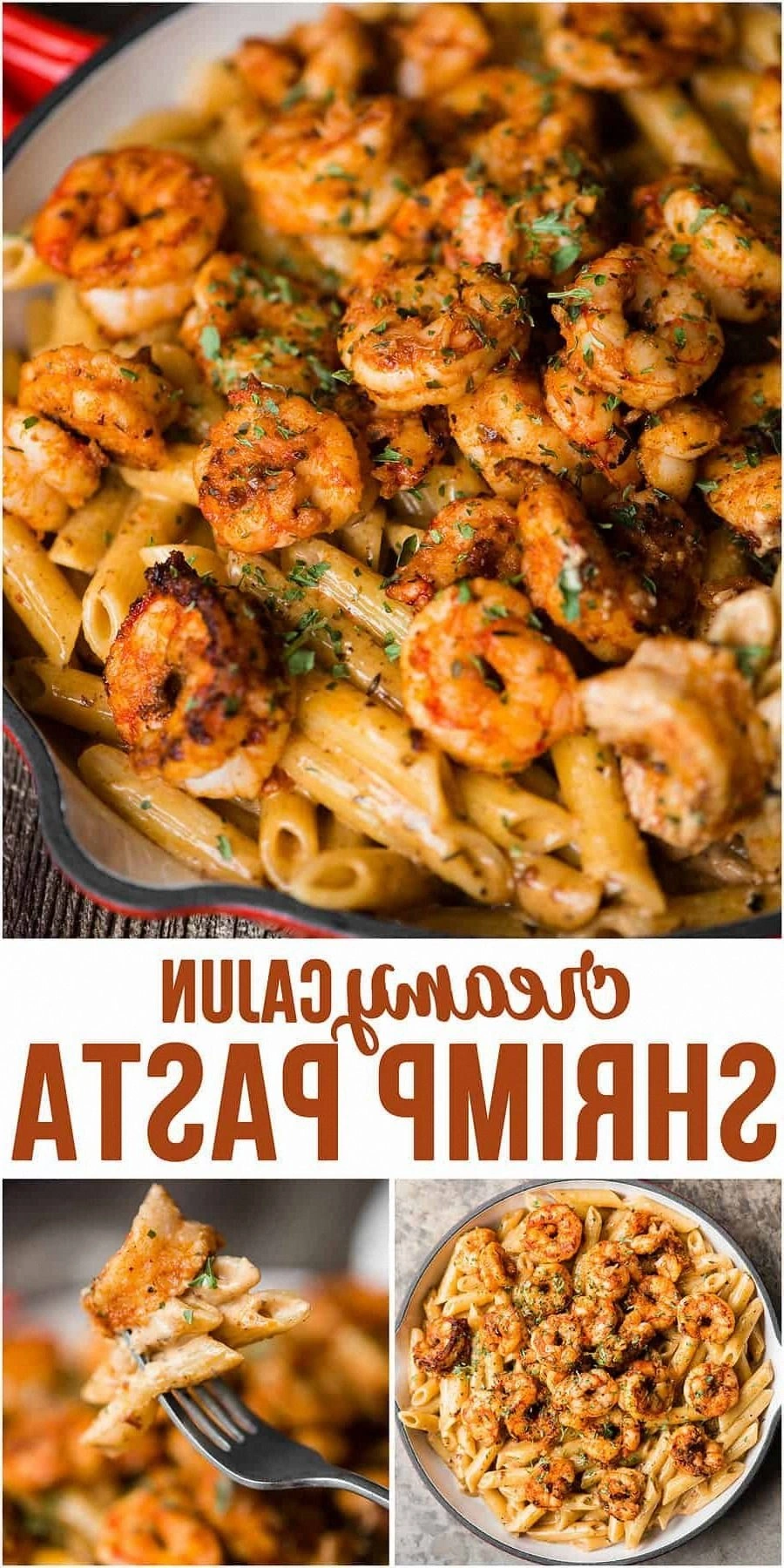
The Method — Step by Step
- Bring a large pot of salted water to a rolling boil and add the pasta. Cook for 8-9 minutes, or until al dente, then reserve a cup of pasta water before draining. The pasta should still feel slightly firm to the bite—don’t let it become mushy.
- While the pasta cooks, heat 2 tablespoons of olive oil in a large skillet over medium-high heat. Add the chopped onion and sauté until translucent, about 3 minutes, stirring occasionally to prevent sticking.
- Add the minced garlic and sliced bell pepper, cooking until the pepper softens and the garlic turns fragrant, roughly 2 minutes. The aroma should be unmistakably inviting, a prelude to the flavors to come.
- Reduce the heat to medium and pour in 3 tablespoons of butter. Let it melt and mingle with the aromatics, creating a buttery base that will coat the shrimp.
- Season the shrimp with 2 teaspoons of Cajun seasoning, 1/2 teaspoon smoked paprika, and a pinch of cayenne pepper if you like heat. Toss them in the skillet until they turn pink and opaque, about 2 minutes per side. The shrimp should snap back when pressed, indicating they’re perfectly cooked.
- Pour in 1 cup of heavy cream and stir gently to combine. Allow the mixture to simmer for 3 minutes, letting the cream thicken slightly. The sauce should coat the back of a spoon, indicating it’s ready to embrace the pasta.
- Grate 1/2 cup of Parmesan cheese into the sauce, stirring continuously until the cheese melts and the sauce becomes silky. The cheese should give the sauce a subtle nutty undertone without making it too heavy.
- Return the drained pasta to the skillet, tossing it with the sauce. If the mixture seems thick, add a splash of reserved pasta water to achieve your desired consistency. The pasta should look glossy and each strand coated in a luscious sauce.
- Season with salt and black pepper to taste, then sprinkle chopped fresh parsley over the top for a burst of color and brightness. Give the dish a final toss and serve immediately while the sauce is warm and the shrimp are still tender.
That's it — you did it. But hold on, I've got a few more tricks that'll take this to another level...
Insider Tricks for Flawless Results
The Temperature Rule Nobody Follows
Cooking shrimp at too high a temperature can make them rubbery and tough. Keep the skillet at medium heat after adding the shrimp; this ensures a gentle sear that locks in moisture without overcooking.
Why Your Nose Knows Best
The aroma of paprika and cayenne is a reliable indicator of spice intensity. If the scent feels faint, add a dash more; if it’s too strong, dilute with a splash of cream or pasta water.
The 5‑Minute Rest That Changes Everything
Let the pasta rest in the sauce for 5 minutes before serving. This resting period allows the noodles to absorb the flavors fully, resulting in a more cohesive dish.
The Secret to a Silky Sauce
Stir the sauce continuously after adding the cheese. This prevents the cheese from settling and forming clumps, ensuring a smooth, velvety texture.
The Quick Garnish Trick
Sprinkle fresh parsley just before serving to keep its bright green hue. The parsley not only adds color but also provides a fresh, herbal contrast to the rich sauce.
Creative Twists and Variations
This recipe is a playground. Here are some of my favorite ways to switch things up:
Smoky Chipotle Twist
Swap the smoked paprika for a tablespoon of chipotle in adobo sauce. The smoky heat adds depth, and the adobo sauce introduces a subtle sweetness that pairs beautifully with shrimp.
Sun‑Dried Tomato Upgrade
Add a handful of chopped sun‑dried tomatoes to the sauce for a burst of umami. The tomatoes soften into a jam‑like consistency, creating a richer, more complex flavor profile.
Vegetarian Version
Replace shrimp with sautéed spinach and sliced mushrooms. The earthy flavors of the mushrooms complement the creamy sauce, while the spinach adds a pop of green.
Low‑Calorie Lightness
Use half‑fat cream or coconut milk and reduce the butter to 1 tablespoon. This keeps the dish creamy but cuts down on calories, making it a lighter dinner option.
Protein Swap: Chicken
Thinly sliced chicken breast, seasoned with the same Cajun mix, can replace shrimp for a hearty protein. Cook the chicken until just pink to keep it juicy.
Gluten‑Free Option
Use gluten‑free linguine or spiralized zucchini ribbons as the pasta base. The texture changes slightly but the sauce still clings beautifully, offering a gluten‑free delight.
Storing and Bringing It Back to Life
Fridge Storage
Cool the dish completely before transferring it to an airtight container. Store in the refrigerator for up to 2 days. When ready to serve, reheat gently on the stove, adding a splash of water to loosen the sauce.
Freezer Friendly
Wrap the pasta tightly in foil and place it in a freezer bag. It stays good for up to 3 months. Thaw overnight in the fridge, then reheat in a saucepan with a little cream to revive the silky texture.
Best Reheating Method
Reheat on low heat, stirring frequently. The key is to avoid high temperatures that can cause the sauce to separate. A tiny splash of water or broth helps the sauce reemerge smooth and glossy.