Picture this: a Saturday afternoon, the kitchen humming with the low whir of the oven, and you, a hopeful cook, standing in front of a pot of boiling pasta that has somehow turned into a mushy disaster. The noodles were overcooked, the sauce was too watery, and the cheese? Flat as a pancake. I stared at the ruined lasagna in disbelief, realizing I’d just wasted a whole tray of my favorite dish. That moment sparked a mission: to create a lasagna that would make even the most skeptical of taste buds swoon.
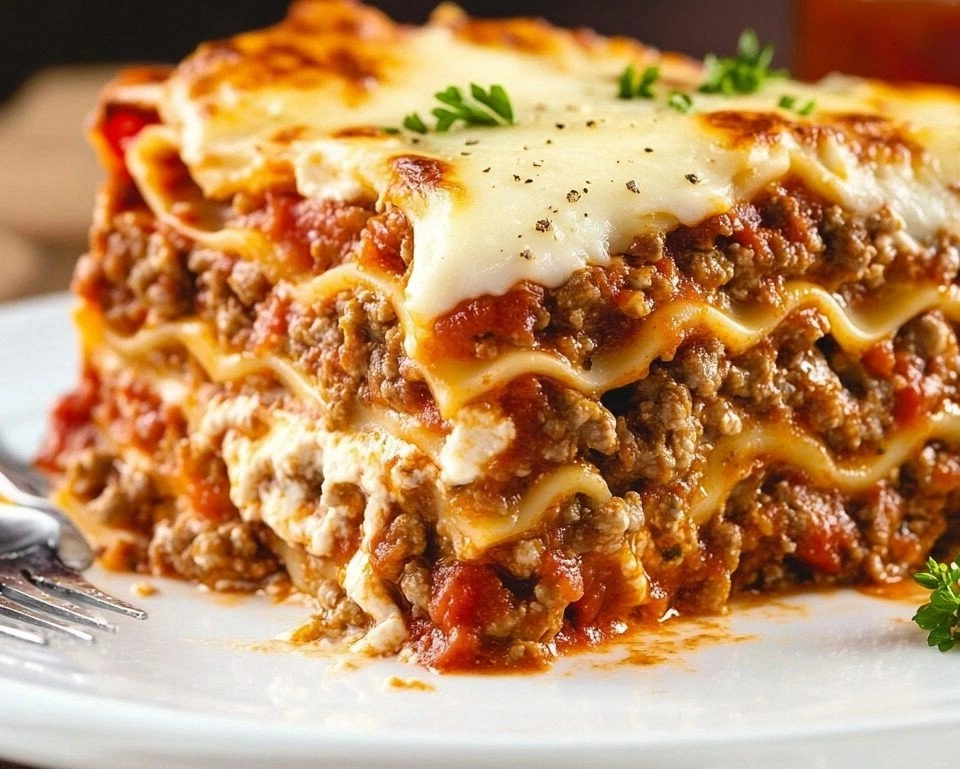
From the first sizzle of onions in olive oil, the kitchen fills with a caramelized aroma that feels like a warm hug. The gentle bubbling of tomato sauce releases a fragrant bouquet of garlic, basil, and oregano that makes your nose do a little dance. As the noodles settle into a golden crust, the sound of bubbling sauce is music to any home cook’s ears. The texture is a symphony of chewy pasta, silky ricotta, and a crispy, cheese‑laden top that crackles like thin ice. Every bite is a layered experience—savory meat, tangy tomato, and creamy cheese that melt together in perfect harmony.
What sets this lasagna apart is the deliberate balance of flavors and textures, the use of fresh, high‑quality ingredients, and a few game‑changing techniques that elevate it from ordinary to legendary. Instead of a bland, pre‑made sauce, I simmer a rich meat‑tomato base that develops depth over time. I fold in a dollop of ricotta and a beaten egg to create a custard‑like layer that locks in moisture. The cheese blend—mozzarella, Parmesan, and a splash of fontina—provides a melt that is both gooey and crisp. The result? A lasagna that feels like a comforting hug, with each layer revealing a new burst of flavor.
I’ll be honest—this recipe is hands down the best version you’ll ever make at home. I dare you to taste this and not go back for seconds. Picture yourself pulling this out of the oven, the whole kitchen smelling incredible, and a golden, bubbly top that shatters like thin ice when you cut into it. Let me walk you through every single step—by the end, you’ll wonder how you ever made it any other way.
What Makes This Version Stand Out
- Flavor Depth: The slow‑simmered meat sauce develops caramelized notes that a quick sauce never can. The combination of crushed tomatoes, tomato paste, and a splash of water creates a velvety texture that coats the pasta like silk.
- Cheese Harmony: A blend of mozzarella, Parmesan, and a touch of fontina delivers both meltiness and a subtle nutty finish. The cheeses layer so that each bite has a creamy core and a crispy crown.
- Texture Contrast: The ricotta‑egg custard keeps the interior moist, while the noodles provide a firm bite that balances the softness.
- Ingredient Quality: Using fresh, high‑grade ground beef and Italian sausage gives the dish a richer, more authentic Italian flavor.
- Time Efficiency: A no‑boil lasagna noodle option cuts prep time, and the sauce can be made ahead and reheated, making it a perfect weeknight winner.
- Make‑Ahead Potential: Assemble the lasagna a day before and refrigerate; it will bake just as well and even taste better after the flavors have melded.
- Crowd‑Pleaser: The layers of sauce, cheese, and noodles create a dish that satisfies both kids and adults, making it a favorite at family gatherings.
- Versatility: The base can be swapped for plant‑based proteins or added veggies for a lighter take, proving it’s not just a single dish but a culinary framework.
Inside the Ingredient List
The Flavor Base
Ground beef is the heart of the sauce, providing a savory foundation that balances the acidity of tomatoes. Opt for lean meat to keep the sauce from becoming overly greasy; a 90/10 blend works beautifully. If you prefer a richer profile, replace half the beef with Italian sausage, which adds a subtle smoky undertone. Skipping the beef entirely turns the dish vegetarian, but the sauce will lose its depth of flavor.
Crushed tomatoes offer a rustic texture that allows the sauce to cling to the noodles. Choose a brand with no added salt to control the seasoning. Tomato paste thickens the sauce and adds a concentrated tomato flavor; two cans give the sauce a velvety body. The tomato sauce adds moisture and helps the sauce coat the noodles evenly.
The Texture Crew
Onion and garlic form the aromatic backbone of the dish. Finely chopping the onion ensures it softens quickly, while minced garlic releases its oils into the oil, giving the sauce a fragrant base. The water in the sauce balances acidity and prevents the tomatoes from becoming too thick; it also keeps the sauce from drying out during baking.
Lasagna noodles are the structural skeleton. Nine sheets are enough for a 4‑serving dish, but you can cut them in half for smaller portions. If using regular noodles, boil them until just al dente; they will continue cooking in the oven. No‑boil noodles simplify prep, but they can become gummy if over‑soaked, so a quick soak is essential.
The Unexpected Star
Ricotta cheese adds a creamy, slightly sweet layer that contrasts the savory sauce. A beaten egg binds the ricotta, preventing it from separating during baking. This custard‑like layer holds moisture and gives the lasagna a silky interior. Skipping the egg can lead to a drier, more crumbly ricotta layer.
The Final Flourish
Mozzarella and Parmesan provide the signature melt and golden crust. The mozzarella melts into a gooey blanket, while the Parmesan adds a salty, nutty finish. A splash of olive oil on the top of the cheese before baking helps achieve a beautiful, slightly crisp surface. Fresh parsley, if added, offers a burst of color and a fresh herbal note that brightens the dish.
Everything's prepped? Good. Let’s get into the real action.
The Method — Step by Step
- Heat a large skillet over medium heat and add 2 tablespoons of olive oil. Once the oil shimmers, add the finely chopped onion and sauté until translucent, about 5 minutes. Stir in the minced garlic and cook for an additional 30 seconds until fragrant. This step builds a fragrant base that will carry the flavor of the entire dish.
- Add the ground beef and Italian sausage to the pan, breaking it up with a spoon. Cook until browned and no longer pink, about 8–10 minutes. Drain excess fat if necessary; this keeps the sauce from becoming greasy. The meat’s caramelized edges give the sauce a deep, savory foundation.
- Stir in the crushed tomatoes, tomato paste, and tomato sauce. Mix well, then pour in one cup of water to thin the sauce slightly. Add dried basil, oregano, salt, pepper, and red pepper flakes. Bring the mixture to a gentle simmer, then reduce heat to low and let it bubble for 30 minutes, stirring occasionally. The slow simmer allows the flavors to meld into a silky, cohesive sauce.
- While the sauce simmers, preheat the oven to 375°F (190°C). If using regular noodles, boil them in salted water until just al dente, then drain. If using no‑boil noodles, soak them in warm water for 15 minutes until pliable. Drain and set aside. The noodles should be firm enough to hold the sauce but soft enough to cook fully in the oven.
- In a bowl, combine the ricotta cheese, beaten egg, and 1/2 cup grated Parmesan. Mix until smooth. This creamy layer will become a custard that locks in moisture and adds a velvety texture to the lasagna.
- Spread a thin layer of sauce at the bottom of a 9×13-inch baking dish. Arrange three noodles over the sauce, slightly overlapping. Spoon a third of the ricotta mixture over the noodles, then sprinkle with a cup of mozzarella. Repeat the layers twice more, ending with a final layer of sauce and a generous topping of mozzarella and Parmesan. This layering technique ensures even distribution of flavors and a beautifully browned top.
- Cover the dish tightly with aluminum foil, making sure the foil does not touch the cheese. Bake for 30 minutes, then remove the foil and bake an additional 15 minutes until the top is golden and bubbly. The foil prevents the cheese from burning while still allowing the lasagna to cook through.
- Let the lasagna rest for 10 minutes before cutting. The resting period allows the layers to set, making it easier to serve neat slices. While resting, the cheese will firm up slightly, preventing a messy, runny mess when you cut into it.
- Serve hot, garnished with fresh parsley if desired. Pair with a crisp green salad and a glass of red wine for a complete meal. The combination of textures and flavors will leave your guests raving.
- If you’re planning ahead, let the lasagna cool completely, cover, and refrigerate for up to 3 days. When reheating, cover with foil and bake at 350°F (175°C) for 25 minutes, then remove the foil and bake an additional 10 minutes to crisp the top. This method preserves the moisture and flavor without drying out the dish.
Insider Tricks for Flawless Results
The Temperature Rule Nobody Follows
Many cooks bake lasagna at 400°F, but 375°F is the sweet spot that allows the sauce to thicken without drying out the noodles. Baking at a slightly lower temperature also ensures the cheese melts evenly, preventing a burnt crust. I’ve tried 400°F once; the top was blistered while the interior stayed undercooked.
Why Your Nose Knows Best
Before you even touch the oven, let the sauce simmer for at least 30 minutes. Your nose will tell you when the aroma has deepened into a caramelized, tomato‑rich scent. If the smell is still sharp or acidic, let it cook longer. A well‑developed aroma signals a sauce that will carry the dish’s flavor to the next level.
The 5‑Minute Rest That Changes Everything
After baking, resist the urge to cut right away. A 5‑minute rest lets the layers settle, so the slices stay intact and the cheese doesn’t ooze out. In a rush, you might cut and end up with a soggy mess. I’ve seen the difference between a slice that holds and one that collapses after a quick cut.
The No‑Boil Noodle Trick
No‑boil noodles save time, but they can become gummy if not handled correctly. Soak them in warm water for 15 minutes, then rinse briefly to stop the cooking process. This ensures they’re pliable but not overcooked, giving a firm bite that complements the creamy layers.
The Cheese Ratio Secret
Using a 2:1 ratio of mozzarella to Parmesan yields a gooey center with a crisp, flavorful crust. Adding a dash of fontina or provolone can introduce a subtle nutty undertone. I’ve experimented with adding a splash of ricotta to the cheese layer to boost moisture and richness.
The Layering Order Matters
Always start with a base of sauce to keep the noodles from drying out. Place the ricotta layer after the first set of noodles, then the mozzarella. The final sauce layer should be the thinnest to allow the cheese to brown properly. Skipping the final sauce layer can result in a dry top.
Creative Twists and Variations
This recipe is a playground. Here are some of my favorite ways to switch things up:
Spinach & Ricotta Delight
Swap half the meat for sautéed spinach and double the ricotta. The spinach adds a green hue and a subtle earthiness that pairs well with the creamy layers. This version is lighter but still full of comforting flavors.
Mushroom Medley Lasagna
Replace the sausage with a mix of cremini, shiitake, and porcini mushrooms sautéed in garlic. The umami from the mushrooms creates a deep, earthy sauce that works wonderfully with the cheese.
Pesto Powerhouse
Stir a generous spoonful of basil pesto into the sauce for an herbal kick. The pesto adds a bright, green note that brightens the dish and cuts through the richness of the cheese.
Vegan Version
Use plant‑based ground beef, replace dairy cheeses with vegan mozzarella and Parmesan, and add a splash of nutritional yeast for depth. The texture remains creamy, and the flavors stay authentic to the classic.
Seafood Surprise
Add a cup of cooked shrimp or scallops to the sauce for a briny twist. The seafood pairs beautifully with the tomato base, creating a luxurious, coastal version of lasagna.
Spicy Cajun Lasagna
Infuse the sauce with Cajun seasoning and a dash of hot sauce. The heat adds a punch that’s perfect for those who like a bit of spice in their comfort food.
Storing and Bringing It Back to Life
Fridge Storage
Cool the lasagna to room temperature, then cover tightly with plastic wrap or foil. Store in the refrigerator for up to 3 days. The flavors meld together, making the dish even more delicious the next day.
Freezer Friendly
Wrap the lasagna tightly in foil and place in a freezer bag. It stays best for up to 3 months. Thaw overnight in the refrigerator before reheating. This method preserves the texture and prevents freezer burn.
Best Reheating Method
Reheat in a covered oven at 350°F (175°C) for 25 minutes, then remove the cover and bake an additional 10 minutes until the top is golden. Add a splash of water or broth before reheating to keep the lasagna moist. This technique restores the cheese’s melt and the sauce’s richness.