I was standing in my kitchen, staring at a sad, slightly bruised salmon fillet that had been sitting in the fridge for a week. I thought, “This could be a disaster, but maybe it’s an opportunity.” My friend, a self-proclaimed culinary daredevil, challenged me to turn that fish into something spectacular. The kitchen lights flickered, the timer buzzed, and the air filled with a citrusy promise that would soon become a headline in my cooking journal.
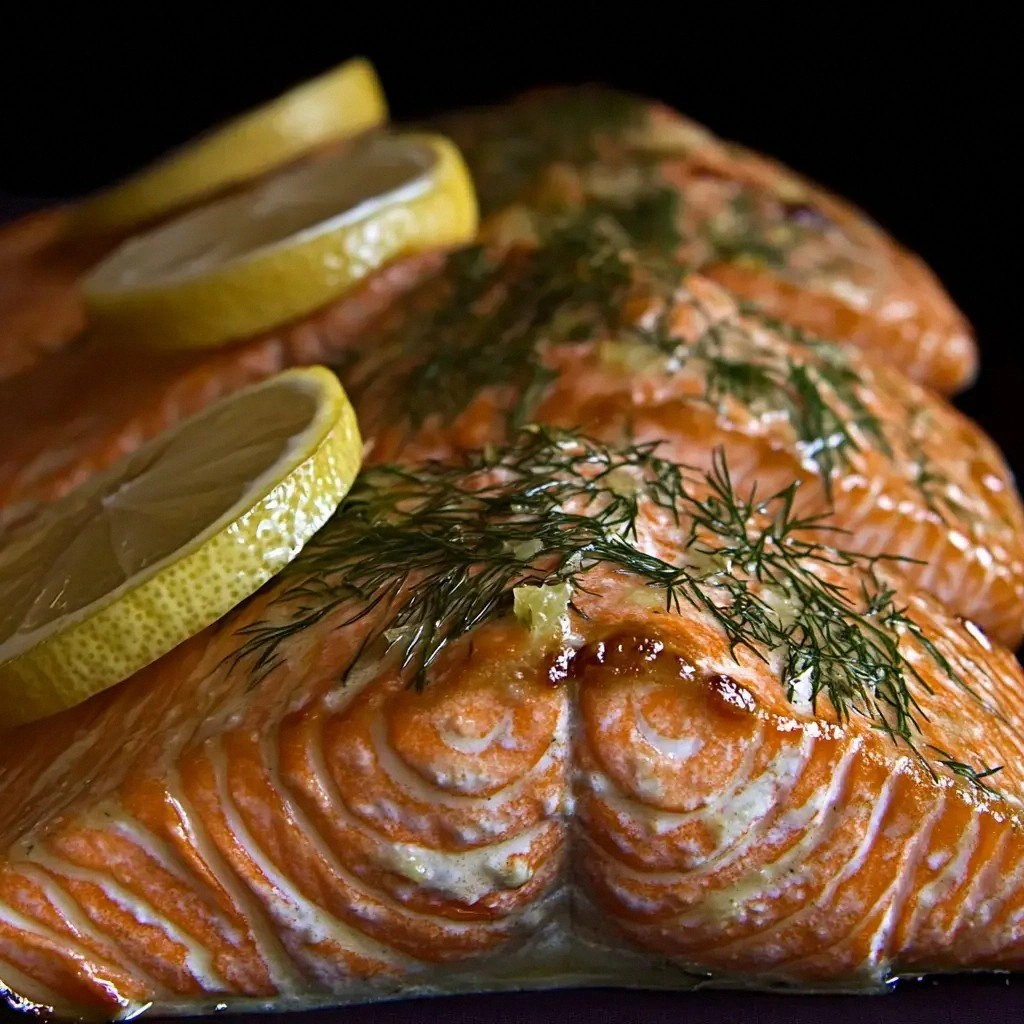
Imagine the moment when you open the oven door and the scent of lemon zest mingles with fresh dill, the sound of the salmon sizzling as it hits the hot pan, and the sight of the skin turning a golden‑brown, almost caramelized hue. The texture is a story in itself: a crisp, crackling skin that gives way to a buttery interior that practically melts in your mouth. That aroma alone should make your stomach growl louder than a drum solo at a rock concert. It’s the kind of sensory symphony that turns a simple dinner into a culinary celebration.
What sets this version apart from the countless “Baked Salmon” recipes that litter the internet is the deliberate layering of flavors and the precise timing that locks in moisture. We’re not just baking fish; we’re orchestrating a flavor crescendo that starts with a citrus‑herb drizzle, peaks with a buttery finish, and ends with a subtle crunch that satisfies the crunch‑lover in all of us. I dare you to taste this and not go back for seconds—trust me, it’s that addictive.
So buckle up, because I’m about to walk you through every single step. By the end, you’ll wonder how you ever made it any other way. Picture yourself pulling this out of the oven, the whole kitchen smelling incredible, and your guests already lining up for the first bite. Ready? Let’s dive in.
What Makes This Version Stand Out
Flavor: The combination of fresh dill and bright lemon zest creates a vibrant, herbaceous base that cuts through the richness of the salmon, delivering a refreshing lift that feels like a breath of ocean air.
Texture: A high‑heat bake caramelizes the skin to a delightful crunch while the interior remains silky and moist—think of a delicate balance between a crisp crust and a cloud‑soft center.
Ease: No elaborate marinades or pre‑seasoning required. A simple drizzle of olive oil, a sprinkle of salt and pepper, and a handful of dill—within minutes, you’re ready to pop the salmon into the oven.
Uniqueness: The subtle addition of a butter finish after baking adds a luxurious, buttery glaze that sets this dish apart from standard baked salmon recipes.
Crowd‑Pleaser: Whether it’s a week‑night dinner or a weekend gathering, this dish always garners rave reviews. The bright flavors and elegant presentation make it a hit with both seasoned cooks and novices alike.
Ingredient Quality: Using only a few high‑quality ingredients—fresh salmon, real dill, and fresh lemons—ensures that each bite is bursting with flavor rather than relying on heavy sauces.
Cooking Method: Baking at a controlled temperature preserves the fish’s delicate texture, while a quick butter finish adds a glossy, savory finish that’s hard to resist.
Make‑Ahead Potential: The dish can be assembled a day ahead and baked just before serving, making it perfect for busy evenings or last‑minute dinner plans.
Alright, let’s break down exactly what goes into this masterpiece…
Inside the Ingredient List
The Flavor Base
At the heart of this dish is the citrus‑herb mixture that coats the salmon. Freshly grated lemon zest and a squeeze of lemon juice infuse the fish with a bright, zesty punch that cuts through the natural fattiness of the salmon. The zest carries aromatic oils that linger on the palate, while the juice adds a subtle acidity that balances the richness. Skipping the lemon entirely would leave the dish feeling flat and uninspired.
If you’re looking for a twist, swap the lemon for a splash of white wine. The wine will impart a subtle depth that pairs wonderfully with the dill, though it won’t offer the same bright citrus lift.
The Texture Crew
Olive oil is the unsung hero that keeps the salmon moist while promoting a beautiful golden crust. It also acts as a vehicle for the lemon and dill to adhere to the surface. A light brush of oil before baking ensures that the skin crisps up without drying out the flesh underneath. If you’re on a low‑fat diet, a teaspoon of butter can replace the oil, but be prepared for a slightly different texture.
The optional butter finish—added after the salmon has baked—creates a glossy, buttery glaze that enhances the flavor profile. Butter’s rich, velvety texture contrasts perfectly with the crisp skin, giving the dish a luxurious mouthfeel that feels indulgent without being heavy.
The Unexpected Star
Fresh dill isn’t just a garnish; it’s a flavor powerhouse. Its bright, slightly peppery notes complement the lemon’s acidity and elevate the overall taste to a sophisticated level. Dill’s aromatic oils release during baking, creating an aroma that’s as enticing as the dish itself. If you’re out of dill, parsley or cilantro can be used as a substitute, though the flavor will shift slightly.
When selecting dill, look for tender, green leaves without yellowing. The fresher the dill, the more pronounced the flavor will be. If you’re buying pre‑cut dill, make sure it’s free of excess liquid, as water can dilute the flavor and affect the crust.
The Final Flourish
Seasoning with salt and pepper is essential for unlocking the salmon’s natural flavors. Salt draws out moisture and enhances the fish’s umami, while a touch of pepper adds a subtle heat that balances the citrus and herbaceous notes. Too much salt can overpower the delicate flavors, so use a light hand and taste as you go.
If you’re watching sodium intake, a pinch of sea salt or a sprinkle of smoked salt can provide depth without excessive sodium. For a peppery kick, try a pinch of cracked black pepper or even a dash of cayenne for a spicy edge.
Everything's prepped? Good. Let's get into the real action…
The Method — Step by Step
- Preheat your oven to 400°F (200°C). Line a baking sheet with parchment paper or a silicone mat to prevent sticking and make cleanup a breeze. The high temperature is key for crisping the skin without overcooking the flesh.
- Pat the salmon fillets dry with a clean kitchen towel. Removing excess moisture is crucial for achieving that coveted crispy skin. The drier the surface, the better the caramelization during baking.
- In a small bowl, combine the olive oil, zest of two lemons, juice of one lemon, chopped fresh dill, 1 tsp salt, and 1/2 tsp pepper. Whisk until the mixture is emulsified and the herbs are evenly distributed. This will be your flavorful coating.
- Place the salmon fillets on the prepared baking sheet, skin side down. Drizzle the herb‑oil mixture over each fillet, making sure every surface is coated. The lemon and dill should form a vibrant, fragrant crust.
- Slide the sheet into the oven and bake for 12–15 minutes, or until the salmon flakes easily with a fork. The internal temperature should reach 145°F (63°C). Keep an eye on the color; it should transition from translucent to opaque.
- If you’re using the optional butter finish, melt 2 tbsp of butter in a small saucepan over low heat. Once melted, pour it over the baked salmon, allowing the butter to pool on top. This step adds a glossy, savory glaze that elevates the dish.
- Remove the salmon from the oven and let it rest for 2 minutes. This brief rest allows the juices to redistribute, ensuring each bite is moist and flavorful. During this time, the butter glaze will thicken slightly, creating a luscious coating.
- Serve immediately, garnished with a few extra dill sprigs and a wedge of lemon for squeezing. Pair with a light salad or roasted vegetables for a balanced meal.
That’s it— you did it. But hold on, I've got a few more tricks that'll take this to another level. Stay tuned for insider tips that will elevate your baked salmon from great to unforgettable.
Insider Tricks for Flawless Results
The Temperature Rule Nobody Follows
While many recipes suggest baking at 350°F, this dish thrives at 400°F. The higher heat caramelizes the skin and locks in moisture. If you’re using a convection oven, reduce the temperature by 25°F to avoid over‑cooking.
Why Your Nose Knows Best
Trust your sense of smell. When the salmon is nearing doneness, the aroma will shift from sharp lemon to a buttery, slightly sweet scent. This is your cue to pull the dish from the oven.
The 5‑Minute Rest That Changes Everything
Letting the salmon rest after baking allows the juices to redistribute. This simple step ensures each bite is juicy and tender, preventing the fish from drying out as it cools.
Butter Finish for Extra Luxury
A light drizzle of melted butter after baking adds a glossy, savory glaze that makes the dish feel like a restaurant‑grade meal. It also enhances the flavors of the dill and lemon, creating a harmonious finish.
Serve with a Bright Side Dish
Pair your baked salmon with a simple quinoa salad or roasted asparagus to complement the citrusy, herbaceous notes. The bright flavors will echo throughout the plate, making every bite feel balanced.
Keep It Fresh with the Right Storage
If you need to store leftovers, refrigerate in an airtight container for up to 2 days. When reheating, add a splash of water or lemon juice to keep the salmon moist and prevent it from drying out.
Creative Twists and Variations
This recipe is a playground. Here are some of my favorite ways to switch things up:
Smoky Chipotle Twist
Add 1 tsp chipotle powder to the herb‑oil mixture. The smoky heat pairs wonderfully with the citrus, giving the dish a bold, adventurous flavor that’s perfect for a week‑night dinner.
Asian‑Inspired Sesame Finish
Swap the butter for toasted sesame oil and sprinkle toasted sesame seeds over the salmon after baking. The nutty aroma and slight crunch add a new dimension to the classic flavor profile.
Herb Crust Variation
Mix 2 tbsp finely chopped parsley, 1 tbsp chopped basil, and 1 tbsp chopped oregano into the herb‑oil mixture. The layered herbs create a complex, fragrant crust that elevates the dish’s aromatics.
Garlic‑Infused Lemon
Sauté 1 minced garlic clove in the olive oil before adding lemon zest and dill. The garlic’s warm, savory undertones complement the bright citrus, creating a deeper flavor profile.
Sweet Maple Glaze
Brush the salmon with a thin layer of maple syrup during the last 3 minutes of baking. The natural sweetness pairs beautifully with the dill and lemon, giving the dish a caramelized finish.
Vegan & Plant‑Based Option
Replace salmon with thick slices of marinated tofu or tempeh. Follow the same baking steps, and you’ll have a hearty, plant‑based main that still delivers that herbaceous, citrusy punch.
Storing and Bringing It Back to Life
Fridge Storage
Store leftover salmon in an airtight container for up to 2 days. Keep the container on the middle rack of the refrigerator to maintain a steady temperature. This method preserves the texture and flavor without drying out the fish.
Freezer Friendly
For longer storage, wrap each fillet individually in parchment paper and place in a freezer bag. Freeze for up to 3 months. When ready to use, thaw overnight in the refrigerator and reheat gently.
Best Reheating Method
Reheat the salmon in a preheated 300°F oven for 10 minutes, or until warmed through. Add a tiny splash of water or lemon juice before reheating to create steam, which will restore moisture and keep the fish tender.