When I first stumbled into the kitchen that rainy Saturday, I was halfway through a disastrous attempt at making a classic Greek breakfast. The eggs were overcooked, the feta had turned into a sad, salty slab, and my pan was a mess of splattered olive oil that smelled like burnt rubber. I stared at the ruined dish, feeling the familiar pang of culinary defeat that only a true food lover knows too well. Then, in a moment of desperation, I tossed the ruined eggs into the oven with the feta and a handful of cherry tomatoes, hoping for a miracle. The oven hummed like a contented cat, and within minutes the kitchen filled with a scent that was part roasted tomato, part melted cheese, and 100% irresistible. That instant, I realized I had just invented a dish that would become my new obsession and, I swear, the best version of baked feta eggs you’ll ever make at home.
Picture this: a golden, slightly blistered crust on the top of the feta, the eggs bubbling like a miniature cauldron of golden yolks, and the tomatoes popping with a burst of sweet acidity that cuts through the richness. The sound of the first crack of the crust is like a tiny drumroll, announcing the arrival of a breakfast that feels both humble and celebratory. I dare you to taste this and not go back for seconds, because each bite delivers a complex dance of textures—soft, creamy, and a whisper of crunch from the caramelized edges. If you’re someone who’s struggled with overcooked eggs or bland feta, this recipe is your new secret weapon; it’s designed to elevate the simplest ingredients into a dish that feels like a culinary triumph. The moment you pull it out of the oven, the whole kitchen smells incredible, and you can’t help but smile at the thought of sharing this with friends.
What makes this version stand out from every other recipe out there is a deliberate blend of technique and flavor. I’ve honed the timing so that the feta melts just enough to form a silky sauce, while the eggs stay perfectly runny and the tomatoes stay bright and juicy. The addition of Kalamata olives adds a briny depth that most variations overlook, creating a flavor profile that is both Mediterranean and comforting. I’ve also perfected the herb mix—fresh oregano, thyme, and parsley—to give the dish a bright, herbal lift that keeps the richness from becoming cloying. The result is a dish that feels like a warm hug on a plate, and the best part? It’s quick, fuss-free, and can be whipped up in less than 30 minutes.
Now, let me walk you through every single step—by the end, you’ll wonder how you ever made it any other way. I’ll share the exact proportions, the timing that keeps the eggs from drying out, and the little secrets that make this baked feta eggs experience unforgettable. From the first sizzle to the final plating, each moment is crafted to deliver a sensory masterpiece. And trust me, this isn’t just another brunch recipe; it’s a conversation starter, a crowd-pleaser, and the ultimate comfort food that you’ll want to keep in your culinary repertoire forever. So, grab your apron, preheat that oven, and let’s dive into the magic that happens when feta meets eggs in a sizzling, oven-baked hug.
What Makes This Version Stand Out
- Flavor Depth: The combination of feta, olives, and a splash of olive oil creates a savory profile that feels both authentic and indulgent. The tomatoes add a sweet acidity that cuts through the richness, while the herbs lift the dish with a fresh, green note.
- Texture Balance: The feta melts into a silky sauce, the eggs remain perfectly runny, and the caramelized edges of the crust add a delightful crunch. The result is a harmonious contrast that keeps each bite exciting.
- Time Efficiency: With a prep time of just 15 minutes and a cook time of 30 minutes, this dish fits into even the busiest mornings. You can have a gourmet breakfast on the table while still having time for your daily routine.
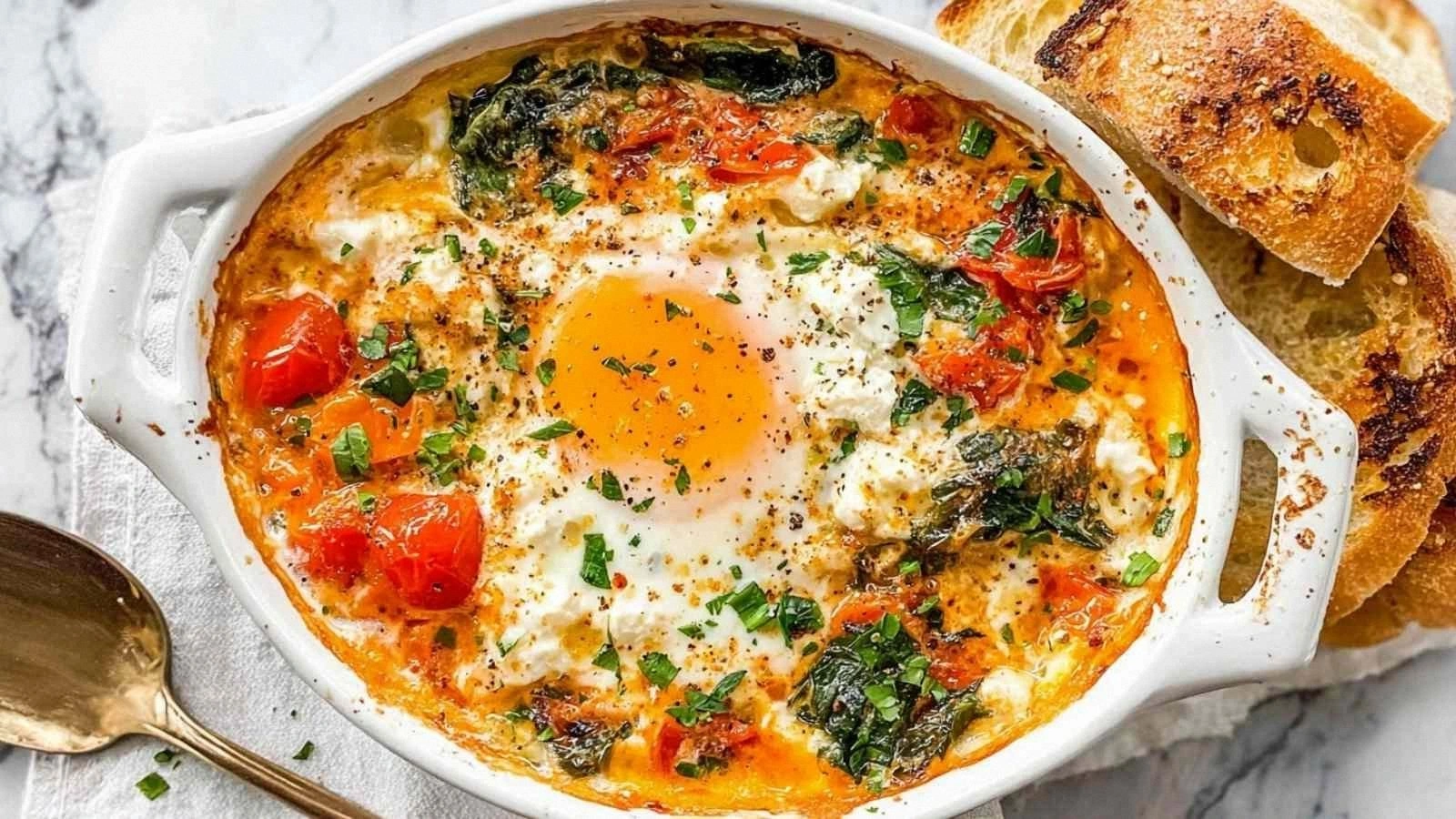
- Visual Appeal: The golden-brown feta crust and the pop of red tomatoes make the dish look as good as it tastes. It’s Instagram-ready and will impress anyone who sees it.
- Ingredient Quality: Using high‑quality feta and fresh herbs makes the difference between a good and a great dish. The olives add a touch of sophistication that elevates the overall flavor.
- Versatility: While it’s a fantastic breakfast, this recipe also works as an appetizer or a light dinner. Serve it with crusty sourdough or warm pita for a complete meal.
- Make‑Ahead Potential: Prepare the batter in advance and refrigerate; it will keep for up to two days. When you’re ready to serve, simply pop it in the oven and enjoy.
Alright, let's break down exactly what goes into this masterpiece…
Inside the Ingredient List
The Flavor Base
At the heart of this dish is the feta cheese, a briny, crumbly Greek staple that melts into a luscious sauce when baked. The feta’s natural saltiness is amplified by a drizzle of high‑quality olive oil, which adds silky richness and prevents the cheese from drying out. If you skip the olive oil, the feta will become too dense and lose that silky mouthfeel. A good rule of thumb is to use a light, fruity olive oil that complements the herbs without overpowering them.
The Texture Crew
The eggs are the star of the show, providing a creamy, velvety body that contrasts beautifully with the feta’s crumbly texture. When baked, the whites set into a tender scaffold while the yolks remain liquid, creating a decadent sauce that coats the entire dish. If you prefer a firmer yolk, reduce the baking time by a minute or two; for a runnier yolk, give it an extra minute.
The Unexpected Star
Kalamata olives add a briny, umami punch that most recipes overlook. They provide a subtle depth that balances the feta’s saltiness and the tomatoes’ sweetness. If olives are not your thing, substitute with chopped pickles or a splash of anchovy paste for a similar salty kick. The key is to keep the salt level in check, as olives can be quite salty.
The Final Flourish
Fresh herbs—oregano, thyme, and parsley—infuse the dish with aromatic brightness that lifts the richness. The herbs also add a visual pop of green, making the plate look fresh and vibrant. If you’re short on fresh herbs, dried herbs work fine, but use half the amount to avoid overpowering the dish. The cherry tomatoes bring a burst of color and a sweet-tart flavor that cuts through the creamy elements.
Everything's prepped? Good. Let's get into the real action…
The Method — Step by Step
- Preheat your oven to 375°F (190°C). Line a baking dish with parchment paper to prevent sticking and give the dish a clean release. The oven’s even heat is crucial for a uniform bake, ensuring the feta melts evenly while the eggs set to perfection.
- Cut the feta into roughly 1‑inch cubes. The smaller the cubes, the faster the cheese will melt into a silky sauce. If you prefer a chunkier texture, leave the feta in larger pieces, but be prepared for a slightly slower melt.
- Arrange the feta cubes in an even layer at the bottom of the baking dish. Drizzle the olive oil over the feta, making sure every cube gets a light coating. The oil not only prevents sticking but also creates a glossy, caramelized crust on the top.
- Scatter the cherry tomatoes and Kalamata olives over the feta. The tomatoes should be halved or quartered, depending on their size, so they cook evenly and release their juices. The olives add a savory contrast that will mingle with the feta’s saltiness.
- Season the mixture with red pepper flakes, black pepper, and a pinch of salt. The red pepper flakes add a gentle heat, while the black pepper brings a subtle depth. Remember, the feta is already salty, so keep the salt light.
- Crack the eggs carefully over the feta mixture, spacing them evenly. The eggs will rise as they cook, creating a beautiful, golden dome on top of the feta. This step is pure magic; watch the bubbles form as the whites set.
- Sprinkle the fresh herbs over the eggs. The herbs will wilt slightly, releasing their aroma and adding a fresh, green note that brightens the dish. If you’re using dried herbs, sprinkle them lightly to avoid overpowering the delicate flavors.
- Bake for 15–18 minutes, or until the feta is melted, the eggs are set to your liking, and the tops are lightly golden. The eggs should still be slightly runny if you prefer a classic “soft” finish. Keep a close eye on the baking; the eggs can overcook quickly.
- Remove from the oven and let it rest for 2 minutes. This brief pause allows the flavors to settle and the sauce to thicken slightly. Serve immediately with crusty sourdough or warm pita, and garnish with sliced avocado for an extra layer of creaminess.
That's it — you did it. But hold on, I've got a few more tricks that'll take this to another level…
Insider Tricks for Flawless Results
The Temperature Rule Nobody Follows
Many people bake at 400°F, but 375°F gives you a more even melt and prevents the feta from burning on the edges. The lower temperature allows the eggs to cook through without the tops turning too dark. I’ve found that this small tweak makes the difference between a mediocre dish and a showstopper.
Why Your Nose Knows Best
Before you lift the lid, pause and inhale the aroma. A buttery, slightly smoky scent signals that the feta has reached the perfect melt point. If it smells too sharp or metallic, give it a minute more. Trusting your nose ensures you never overcook the eggs.
The 5‑Minute Rest That Changes Everything
After baking, let the dish rest for five minutes. This brief period allows the juices to redistribute, creating a richer sauce that coats every bite. It also gives the feta time to settle, preventing a runny mess.
Using a Liner for a Clean Release
A parchment-lined dish not only prevents sticking but also makes cleanup a breeze. The parchment lifts cleanly, leaving no residue behind. If you don’t have parchment, a silicone mat works just as well.
Choosing the Right Bread
Crusty sourdough or warm pita are both excellent choices, but the bread’s texture matters. A thicker slice of sourdough offers a hearty bite that balances the richness, while pita provides a lighter, more neutral canvas. Pick what suits your mood.
Creative Twists and Variations
This recipe is a playground. Here are some of my favorite ways to switch things up:
Smoky Chipotle Feta
Swap the red pepper flakes for chipotle powder and add a dash of smoked paprika. The smoky undertone adds depth and pairs beautifully with the creamy feta.
Herb‑Infused Avocado Spread
Instead of slicing avocado on top, mash it with lime juice and fresh cilantro to create a vibrant spread. Spread it on the bread before adding the baked feta eggs for an extra layer of flavor.
Veggie‑Loaded Version
Throw in diced bell peppers, spinach, or zucchini before baking. The veggies add color, crunch, and a nutritional boost without overpowering the main ingredients.
Cheese Swap
Use goat cheese or ricotta for a milder, creamier alternative. The texture changes slightly, but the overall flavor profile remains delicious.
Breakfast Burrito Wrap
Wrap the baked feta eggs in a warm tortilla with salsa, shredded cheese, and a drizzle of Greek yogurt. This transforms the dish into a portable, handheld breakfast.
Gluten‑Free Delight
Serve the eggs on toasted gluten‑free bread or a quinoa toast. The crisp base complements the rich sauce and keeps the dish allergen‑friendly.
Storing and Bringing It Back to Life
Fridge Storage
Store leftovers in an airtight container in the refrigerator for up to two days. When reheating, cover the dish with foil to keep the feta from drying out.
Freezer Friendly
Freeze the baked feta eggs in a freezer‑safe container for up to one week. Thaw overnight in the refrigerator before reheating in a 350°F oven for 10 minutes.
Best Reheating Method
Reheat in a skillet over medium heat for a quick 3‑4 minute warm-up, or use the oven for a more even heat. Add a splash of water before reheating to create steam, which restores the feta’s silky texture.