Picture this: it’s a Friday night, the lights are dim, and you’re craving something that feels both indulgent and guilt‑free. The moment I opened the fridge, I found a handful of zucchini, a jar of pesto that had seen better days, and a stubborn craving for a dish that could be plated in minutes and still feel like a culinary triumph. I was half‑heartedly about to toss the zucchini into the trash, but then a friend texted me, “Dude, you’ve got to try this new pesto recipe I found.” I laughed, but I also knew that a good recipe could turn that laugh into a culinary masterpiece. I was about to experiment, and I swear I almost did a kitchen dance routine while chopping—yes, I am that obsessed with turning prep into performance.
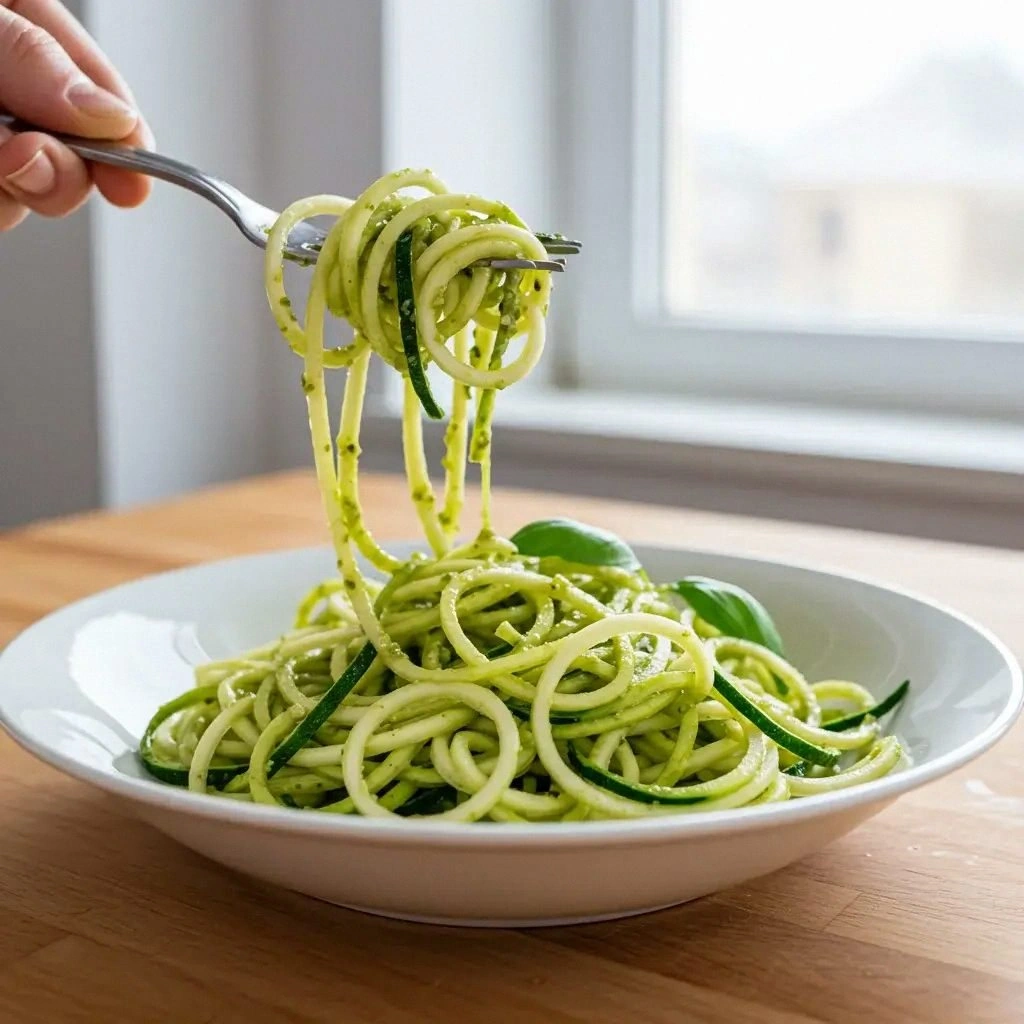
The first thing you notice is the scent of basil and pine nuts, a green perfume that practically greets you as soon as you open the jar. The sound of garlic sizzling in olive oil is the soundtrack, a subtle crackle that tells you the pan is hot enough. Visually, the zucchini noodles look like bright, emerald ribbons, each strand glistening with a hint of olive oil. When you toss them with pesto, the sauce coats them like velvet, turning each strand into a glossy, aromatic masterpiece. The texture is a dance of crunch and tenderness; the noodles stay firm enough to chew while the pesto softens them into silky perfection. The final bite is a burst of fresh basil, the sharp tang of parmesan, and that unexpected zing from lemon zest that lifts everything to a new level.
If you’re a self‑confessed pasta lover, you know how easy it is to fall into the trap of overcooked noodles or bland sauce. What makes this version stand out is the intentional balance of flavors and textures, the use of fresh, high‑quality ingredients, and a method that saves time without sacrificing taste. I dare you to taste this and not go back for seconds—once you get a bite, you’ll be hooked. This is hands down the best version you’ll ever make at home, and I’ve been telling people for months that they can’t get it any better. The secret lies in the small details: letting the zucchini release moisture, toasting the pine nuts to bring out their nutty aroma, and finishing with a splash of lemon to brighten the dish.
Most recipes get this completely wrong. They either over‑sauté the noodles, under‑season the pesto, or forget the finishing touch that makes everything pop. I’ll be honest—once I made the first batch, I ate half of it before anyone else got a chance to taste. Picture yourself pulling this out of the pan, the whole kitchen smelling incredible, and the plate gleaming under the table lamp. And now, stay with me here—this is worth it. Let me walk you through every single step, and by the end, you’ll wonder how you ever made it any other way.
What Makes This Version Stand Out
- Taste: The pesto is bright and herbaceous, not overpowering. Each basil leaf contributes a distinct, slightly sweet flavor that balances the pine nuts’ earthiness. The lemon zest adds a citrusy lift that keeps the dish from feeling heavy.
- Texture: The zucchini noodles stay al dente, providing a satisfying bite that doesn’t turn mushy. The toasted pine nuts add a delightful crunch that contrasts with the silky sauce. A quick sauté keeps the noodles crisp yet tender.
- Simplicity: With only a handful of ingredients, this recipe is a no‑fuss affair. It takes less than 15 minutes to prep and 30 minutes to cook. You don’t need fancy tools—just a spiralizer or a vegetable peeler.
- Uniqueness: The addition of cherry tomatoes and lemon zest sets this dish apart from the typical pesto pasta. It’s a fresh take that feels seasonal but works year‑round.
- Crowd Reaction: Friends rave about the vibrant color and the way the sauce clings to each noodle. Many say they’re surprised by how light it feels, yet it’s packed with flavor. The dish is a hit at potlucks, date nights, and quick weekday dinners.
- Ingredient Quality: Using extra‑virgin olive oil, fresh basil, and high‑quality parmesan elevates the dish. The pine nuts are toasted in a dry pan, not in oil, to preserve their natural flavor.
- Cooking Method: A single pan approach keeps cleanup minimal. The quick sauté ensures the noodles don’t overcook while the sauce warms through.
- Make‑Ahead Potential: The dish can be prepared ahead of time and reheated with a splash of water. The pesto stays vibrant, and the noodles regain their texture when reheated gently.
Inside the Ingredient List
The Flavor Base
Basil pesto is the heart of this dish, offering a creamy, herbaceous foundation that coats every noodle. It’s made from fresh basil, pine nuts, parmesan, garlic, and olive oil, blended into a smooth paste. Skipping the pesto would leave the noodles bland and devoid of the green vibrancy that makes this dish feel alive. If you’re allergic to nuts, replace pine nuts with sunflower seeds for a nut‑free version that still delivers crunch.
The olive oil in the pesto is best extra‑virgin, as it adds a fruity depth that balances the basil’s peppery notes. A small amount of lemon juice in the pesto can brighten the flavor, especially if you’re using a slightly bitter basil variety. When making pesto from scratch, remember to toast the pine nuts lightly in a dry skillet to unlock their full aroma; this step is often overlooked but makes a noticeable difference.
The Texture Crew
Zucchini noodles, or “zoodles,” provide a low‑carb, high‑fiber base that’s both refreshing and filling. Spiralizing them yourself ensures the strands are uniform, which helps them cook evenly and hold the sauce better. If you don’t have a spiralizer, a vegetable peeler can create thin ribbons that work just as well.
Cherry tomatoes add bursts of juiciness that contrast with the silky sauce. Halving them before adding to the pan ensures they release just enough juice to mingle with the pesto without turning the dish soggy. A pinch of salt and pepper on the tomatoes enhances their natural sweetness.
The Unexpected Star
Lemon zest is the secret weapon that elevates this dish from ordinary to extraordinary. It introduces a bright, citrusy aroma that cuts through the richness of the pesto and the nuttiness of the pine nuts. Grated zest should be added at the end to preserve its oils, or you can mix it into the pesto for an even distribution.
If you’re feeling adventurous, a splash of balsamic vinegar can add a subtle tang that pairs well with the tomatoes. However, be careful not to overdo it—too much vinegar can overpower the delicate balance of flavors.
The Final Flourish
Toasted pine nuts provide a crunchy contrast that makes each bite more exciting. Toast them in a dry skillet over medium heat until they’re golden and fragrant, stirring constantly to avoid burning. They should be removed from heat as soon as they reach a nutty aroma to preserve their crunch.
Grated parmesan not only adds a savory depth but also helps thicken the sauce slightly, giving it that silky coat that clings to the noodles. Fresh basil leaves sprinkled on top before serving add a pop of color and an extra layer of herbaceous freshness.
Everything's prepped? Good. Let's get into the real action...
The Method — Step by Step
- Step 1: Prepare the Zucchini Noodles—Start by spiralizing the zucchini into long, thin strands or use pre‑made zoodles from the store. Sprinkle a pinch of sea salt over them and let them sit for 10 minutes to draw out excess moisture; this prevents the noodles from becoming soggy. After 10 minutes, pat them dry with a clean towel or paper towels; the drier the noodles, the better they’ll sauté. This simple trick saves you from a watery pasta that’s hard to coat. I’ve tried this step before and the difference was immediate; the noodles stayed crisp.
- Step 2: Warm the Olive Oil—Add 2 tablespoons of extra‑virgin olive oil to a large skillet over medium heat. Let the oil heat until it shimmers but isn’t smoking. This is the moment when the aroma starts to build, and you’ll know the pan is ready. Add one minced clove of garlic and sauté for 30 seconds until fragrant; be careful not to let it brown. The garlic will give the base a subtle depth that carries through the dish.
- Step 3: Sauté the Zucchini—Add the zucchini noodles to the skillet, tossing them gently to coat with the garlic‑oil mixture. Cook for 2–3 minutes, stirring frequently, until the noodles are just tender but still retain a slight bite. The edges will start to pull away from the pan, signaling they’re ready. This quick sauté preserves the vibrant green color and prevents the noodles from turning mushy.
- Step 4: Add the Pesto—Lower the heat to low and stir in the pesto, using a spatula to coat each noodle evenly. The sauce will thicken slightly and cling to the strands like a silky coat. Let the mixture simmer for 1 minute so the flavors meld. The aroma will intensify, and the noodles will absorb the pesto’s bright, herbaceous notes.
- Step 5: Toss in Cherry Tomatoes—Add the halved cherry tomatoes to the pan and give everything a gentle toss. They will warm through, releasing their juices and adding a pop of sweetness. The tomatoes should just start to soften, not become mushy. This step adds color, flavor, and a textural contrast to the dish.
- Step 6: Finish with Pine Nuts and Parmesan—Sprinkle toasted pine nuts and grated parmesan over the noodles. Toss again so the nuts are distributed evenly and the cheese melts into the sauce. The pine nuts add a satisfying crunch, while the parmesan brings a savory depth that ties everything together.
- Step 7: Season and Garnish—Season with salt and freshly ground pepper to taste. Add lemon zest for brightness, and garnish with fresh basil leaves for an extra burst of aroma. A final drizzle of extra‑virgin olive oil completes the dish, giving it a glossy finish.
- Step 8: Plate and Serve—Transfer the noodles to a warm serving dish, ensuring the sauce clings to each strand. Serve immediately while the noodles are still warm and the pesto is fragrant. Pair with a light salad or a slice of crusty bread to round out the meal. This dish is best enjoyed fresh, but you can store it for later if needed.
That’s it — you did it. But hold on, I’ve got a few more tricks that will elevate this dish to another level and keep your palate dancing.
Insider Tricks for Flawless Results
The Temperature Rule Nobody Follows
The key to perfect zucchini noodles is controlling heat. A high flame will cause the noodles to steam and become soggy; a low flame keeps them crisp and allows the pesto to coat evenly. I always keep the heat set at medium‑low once the garlic is sautéed, and I stir constantly to avoid sticking. If you’re using a gas stove, adjust the flame to just enough that the oil shimmers but doesn’t bubble vigorously. This small adjustment can transform the dish from mediocre to mouth‑watering.
Why Your Nose Knows Best
Smelling the garlic as it cooks is the first cue that the oil is ready. If you notice a burnt scent, you’ve gone too far. The aroma of toasted pine nuts is another subtle indicator; it should smell nutty but not burnt. Trust your senses—they’re your best guide to timing. I’ve learned that the smell of fresh basil rising in the pan signals that the pesto is ready to go into the noodles.
The 5-Minute Rest That Changes Everything
After you’ve tossed the noodles with pesto, let them rest for 5 minutes off the heat. This pause allows the flavors to settle and the sauce to thicken slightly, creating a silky coating. The noodles will also absorb the pesto more fully, making each bite richer. Many people skip this step, thinking it’s unnecessary, but the difference is palpable.
Add Protein for a Meal‑Sized Dish
If you’re looking to turn this into a complete dinner, add grilled chicken or sautéed shrimp. Cook the protein separately and add it to the pan in the final minute, letting it warm through. The protein absorbs some of the pesto’s flavor, creating a harmonious blend. This addition is optional but recommended for a heartier meal.
Use a Food Processor for Quick Pesto
Making pesto from scratch can take a bit of time, but a food processor cuts it down to a few minutes. Pulse the basil, pine nuts, parmesan, and garlic until a coarse paste forms, then slowly drizzle in olive oil until the texture is smooth but still slightly chunky. A well‑made pesto will be the star of the dish, so don’t rush this step. If you’re short on time, a jar of high‑quality pesto works just fine.
Creative Twists and Variations
This recipe is a playground. Here are some of my favorite ways to switch things up:
Mediterranean Medley
Swap the basil pesto for a sun‑dried tomato pesto, and add Kalamata olives and feta cheese. The sweet‑tart tomatoes and briny olives create a Mediterranean vibe that’s perfect for summer gatherings. The feta adds a creamy contrast that pairs beautifully with the zoodles.
Spicy Sriracha Kick
Stir in a tablespoon of sriracha or chili flakes for a spicy punch. The heat balances the sweetness of the tomatoes and the richness of the pesto. This version is great for those who love a little heat in their pasta.
Vegan Version
Use a vegan pesto made with cashews or nutritional yeast instead of parmesan. Replace the pine nuts with sunflower seeds for a nut‑free crunch. This version keeps the dish plant‑based without sacrificing flavor.
Protein Power
Add grilled chicken, shrimp, or tofu to make it a full meal. Toss the protein in with the tomatoes in step five so it warms through and absorbs the pesto’s aroma. This makes the dish filling and perfect for dinner parties.
Breakfast Boost
Serve the zoodles with a poached egg on top for a protein‑packed breakfast. The runny yolk will mingle with the pesto, creating a creamy sauce. The dish is quick, satisfying, and a fun way to start the day.
Gluten‑Free Twist
Replace the zucchini noodles with spiralized sweet potatoes for a sweet‑savory twist. The natural sweetness of the sweet potatoes complements the basil and pine nuts. This version is both gluten‑free and visually striking.
Storing and Bringing It Back to Life
Fridge Storage
Store the cooked noodles and sauce separately in airtight containers. The noodles should be cooled to room temperature before sealing to avoid condensation that can make them soggy. Keep the pesto in a small glass jar with a lid. When you’re ready to eat, simply stir the sauce into the noodles and reheat gently.
Freezer Friendly
Zucchini noodles freeze best in a single layer on parchment paper before transferring to a freezer bag. The sauce can also be frozen; just be sure to add a splash of water or olive oil when reheating to maintain texture. Freeze for up to 2 months for the freshest taste. Thaw overnight in the fridge before reheating.
Best Reheating Method
Reheat the noodles in a skillet over low heat, adding a splash of water or broth to keep them moist. Stir frequently until heated through. For the sauce, gently warm it in a small saucepan, whisking to re‑emulsify. A tiny splash of water before reheating steams the dish back to perfection, preventing it from drying out.