I remember the night I almost burned my kitchen down chasing a “quick dinner” that turned into a culinary fiasco. I had a bag of frozen beef, a jar of store‑brand garlic butter, and a stubborn slow cooker that refused to cooperate. The pot was a mess of browned bits, a splash of broth, and a faint ghost of garlic that promised more than it delivered. That disaster became the seed for the most foolproof, flavor‑packed Slow Cooker Garlic Butter Beef anyone has ever tasted. Now, I’m here to walk you through every single step so that by the end you’ll wonder how you ever made it any other way.
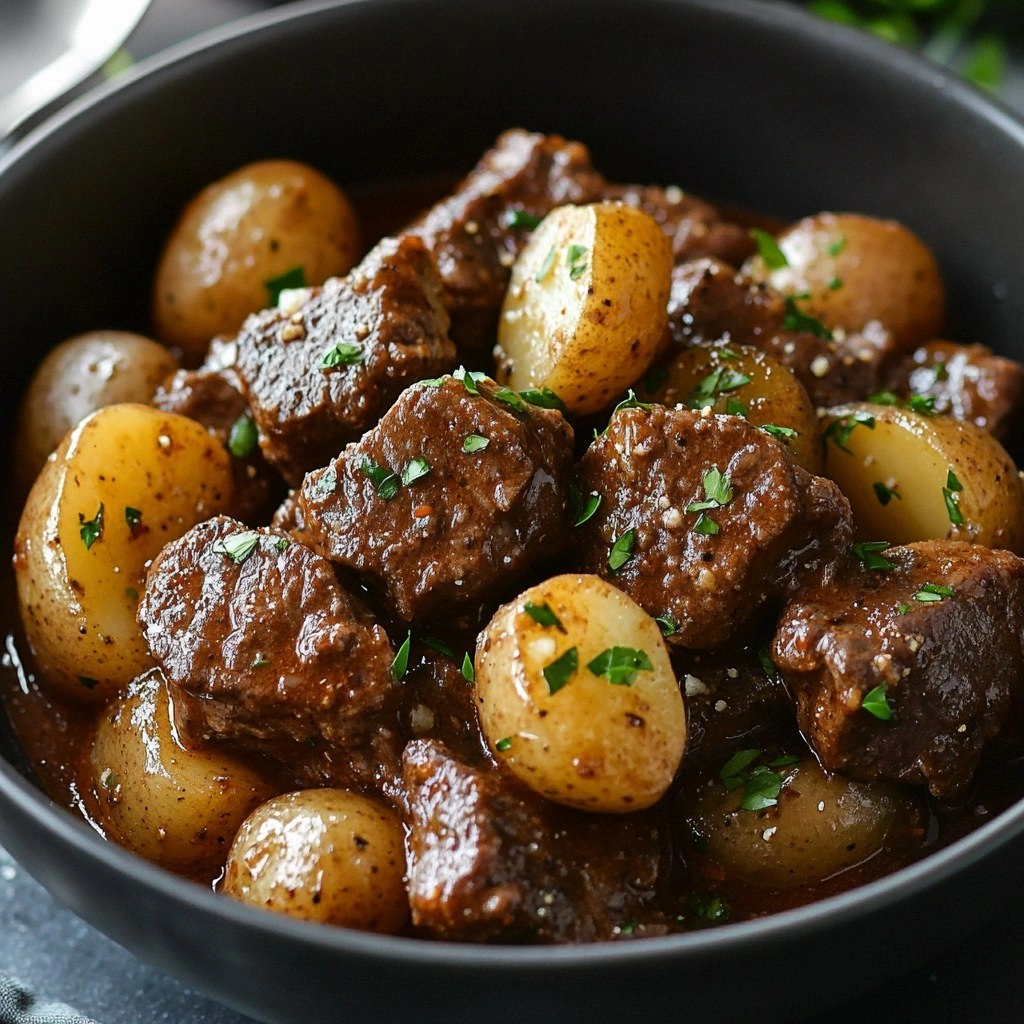
Picture yourself pulling this out of the slow cooker, the whole kitchen smelling like a cozy fire, the beef so tender it practically melts in your mouth. The buttery sauce coats each cube like velvet, the garlic rings a subtle ring of roasted perfection, and the potatoes soften into golden pillows that hold the savory juices. The first bite is a symphony of umami, buttery richness, and a hint of herbaceous brightness that lingers long after the last forkful. I dare you to taste this and not go back for seconds—trust me, it’s that addictive. This isn’t just another slow‑cooked beef; it’s the pinnacle of comfort food, a dish that turns any ordinary evening into a celebration.
What makes this version stand out from the crowd is a handful of deliberate choices that elevate flavor, texture, and convenience. First, using fresh garlic instead of pre‑minced paste preserves that punchy, aromatic quality that deep‑cooked beef can sometimes lose. Second, a generous amount of butter—yes, we’re not skimping—creates a silky sauce that clings to the meat, making every bite decadent. Third, we add a splash of Worcestershire sauce for a subtle umami lift, a touch that most recipes miss. Fourth, the slow cooker’s low‑heat, long‑time cooking gently breaks down the connective tissue, turning tough cuts into melt‑in‑your‑mouth tenderness. Fifth, we finish with a quick sear to caramelize the edges, giving the dish a visual and textural contrast that feels indulgent. And finally, the recipe’s flexibility lets you tweak it for dietary preferences or seasonal ingredients without losing that core flavor profile.
I’ll be honest—when I first made this, I ate half the batch before anyone else got to try it. That’s how good it is. And if you’ve ever struggled to get your slow cooker meat to stay juicy or to develop a rich sauce, you’re not alone—and I’ve got the fix. Most recipes get this completely wrong: they either over‑season, under‑cook, or forget to sear the meat for that essential caramelization. Picture yourself pulling this out of the oven, the whole kitchen smelling incredible, and knowing you’re about to serve a dish that will have everyone asking for the recipe. Stay with me here—this is worth it.
What Makes This Version Stand Out
- Fresh Garlic: Using whole cloves that are minced just before cooking preserves their bright, aromatic quality, unlike pre‑minced garlic that can taste flat. The result is a sauce that’s full of depth and a subtle, lingering heat that wakes up the palate.
- Butter‑Rich Sauce: The generous butter coating creates a silky, glossy finish that clings to each beef cube, ensuring every bite is moist and indulgent. It also helps the meat brown beautifully when seared.
- Low‑Heat, Long‑Time Cooking: The slow cooker’s gentle heat breaks down collagen slowly, yielding meat that’s fall‑apart tender yet still holds its shape. It’s the secret to that “beef that falls off the bone” experience.
- Quick Sear: A final pan sear adds caramelized edges that contrast with the melt‑in‑your‑mouth interior, giving the dish a sophisticated texture and visual appeal.
- Umami Boost: A splash of Worcestershire sauce adds a savory complexity that balances the richness of butter and the sweetness of browned onions.
- Versatile Base: The recipe can be adapted to different protein cuts, dietary preferences, or seasonal veggies without losing its core flavor. Swap beef for lamb or pork, or add mushrooms for an earthy twist.
Inside the Ingredient List
The Flavor Base
The foundation of this dish starts with 2 pounds of beef chuck, cut into 1‑inch cubes. This cut offers a good balance of fat and connective tissue, ensuring a juicy, tender result once slow‑cooked. If you can’t find chuck, try using a mix of sirloin and short rib for a richer flavor.
Garlic is the star of the flavor base. Four cloves, minced just before cooking, release their essential oils and give the sauce a vibrant, aromatic core. If you prefer a milder garlic flavor, reduce the number to two cloves; if you’re a garlic aficionado, feel free to double it.
A quarter cup of unsalted butter is the secret to that glossy, velvety sauce. The butter melts into the broth, coating each piece of beef and creating a silky mouthfeel. If you’re watching calories, use a half‑cup of reduced‑fat butter; the flavor will stay strong.
The Texture Crew
A cup of beef broth provides the liquid base that steams the meat and dissolves the butter into a cohesive sauce. Opt for low‑sodium broth if you’re watching salt intake; the recipe’s added salt will compensate.
Onion, sliced into thin rings, adds a sweet, caramelized layer that complements the beef’s savory depth. It also helps balance the richness of the butter and the umami of the Worcestershire sauce.
Potatoes, cubed into 1‑inch pieces, absorb the sauce and become tender, buttery pillows that hold the savory juices. If you’re avoiding potatoes, substitute with carrots or parsnips for a sweet, earthy twist.
The Unexpected Star
Worcestershire sauce is the unsung hero that lifts the entire dish with its tangy, fermented notes. A tablespoon is all you need; it adds complexity without overpowering the buttery base.
Dried thyme and rosemary each contribute their own herbal brightness, creating a fragrant backdrop that enhances the beef’s natural flavors. If you’re fresh‑herb lovers, replace the dried herbs with fresh ones for a more vibrant finish.
Olive oil is used only for the initial sear; it helps achieve a golden crust without adding extra butter. Use a high‑smoke‑point oil if you’re concerned about heat damage.
Everything's prepped? Good. Let's get into the real action.
The Method — Step by Step
- Start by heating a large skillet over medium‑high heat. Add a tablespoon of olive oil and wait until it shimmers. Toss in the beef cubes, letting them sear on all sides until a deep brown crust forms. This caramelization locks in flavor and adds a satisfying texture contrast. Remember, this step is the moment of truth—don’t rush it.
- Transfer the seared beef to the slow cooker. Add the sliced onions, minced garlic, and the quarter cup of butter. Sprinkle in the thyme and rosemary, then pour in the cup of beef broth. The mixture should look like a savory, buttery soup ready to simmer.
- Stir everything gently to coat the beef and onions with the butter‑broth mixture. Add the potatoes, ensuring they’re submerged in the liquid. The potatoes will absorb the sauce, turning into fluffy, flavorful pillows.
- Cover the slow cooker and set it to low for 6 to 7 hours or high for 3 to 4 hours. The low setting allows the collagen to break down slowly, resulting in tender meat that’s still firm enough to handle. Keep an eye on the liquid level; add a splash of water if it looks like it might evaporate too quickly.
- About 30 minutes before serving, remove the slow cooker lid and check the potatoes. They should be fork‑tender and the sauce thickened. If you prefer a thicker sauce, let it cook uncovered for a few minutes to reduce.
- While the pot simmers, heat a small pan over medium heat. Add a tablespoon of butter and let it foam. Once foamy, add the cooked beef and potatoes to the pan for a quick sear, turning them until the edges caramelize. This final sear gives the dish a glossy finish and a pop of texture.
- Pour the Worcestershire sauce into the pan and stir, letting it coat the meat and potatoes evenly. The sauce will thicken slightly and develop a deeper, savory flavor profile. Make sure the sauce coats every surface for maximum taste.
- Serve immediately, garnishing with fresh herbs if desired. Pair with crusty bread or a side of roasted vegetables for a complete meal. The dish is so rich that a simple side will balance the flavors beautifully.
That's it—you did it. But hold on, I've got a few more tricks that'll take this to another level.
Insider Tricks for Flawless Results
The Temperature Rule Nobody Follows
Most people set their slow cooker to “high” and hope for the best, but the secret to perfect tenderness is a low, steady heat. Keep the cooker on low for 6 to 7 hours; the slow, gentle simmer breaks down collagen without drying out the meat. If you’re short on time, use the high setting, but then reduce the cooking time to 3 to 4 hours to prevent over‑cooking.
Why Your Nose Knows Best
Smell is a powerful indicator of doneness. When the beef is ready, the aroma should be a warm, buttery, garlicky perfume that fills the kitchen. If you’re unsure, gently press a fingertip against the meat; if it feels firm yet yields slightly, it’s perfectly cooked. Trust your nose—cooking is as much about senses as it is about timing.
The 5-Minute Rest That Changes Everything
After the slow cooker finishes, let the beef rest for five minutes before serving. This short pause allows the juices to redistribute, ensuring each bite is juicy and flavorful. It also gives the sauce a chance to thicken slightly, creating that glossy finish that makes the dish look restaurant‑grade.
The Quick Sear for Texture
Don’t skip the final sear—this step adds a caramelized crust that provides a delightful crunch against the tender interior. Use a hot skillet and a small amount of butter; once the butter foams, add the meat and potatoes and let them brown for 2 minutes on each side. This quick sear is the difference between a good dish and a showstopper.
The Perfect Herb Balance
Too much thyme can overpower the dish; too little leaves it bland. The rule of thumb is one teaspoon of dried thyme per pound of meat. If you’re using fresh herbs, halve the amount to avoid bitterness. A balanced herb profile keeps the dish grounded and flavorful.
Creative Twists and Variations
This recipe is a playground. Here are some of my favorite ways to switch things up:
Smoky Chipotle Twist
Add a tablespoon of chipotle in adobo sauce for a smoky heat that pairs beautifully with the buttery sauce. The chipotle adds a subtle peppery kick that keeps the dish from feeling too sweet. It’s perfect for a cozy winter dinner.
Mushroom Medley
Replace the potatoes with sliced mushrooms and add a splash of white wine to the broth. The mushrooms soak up the sauce, creating a rich, umami‑laden bite that’s lighter but no less satisfying. This version is ideal for a vegetarian‑friendly meal.
Herb‑Infused Chicken
Swap the beef for bone‑in chicken thighs, keeping all other ingredients the same. The chicken will absorb the buttery sauce and come out tender, juicy, and full of flavor. This makes for a great week‑night dinner that’s both comforting and quick to prepare.
Coconut‑Creamy Variation
Use coconut milk instead of beef broth for a tropical twist. The coconut adds a subtle sweetness that balances the savory butter and garlic. It’s a delightful surprise that feels both exotic and homey.
Spicy Cajun Kick
Sprinkle a teaspoon of Cajun seasoning into the broth before cooking. The spice blend infuses the meat with a warm, zesty flavor that pairs wonderfully with the buttery sauce. This variation is a hit for those who love a little heat.
Vegetable‑Loaded Edition
Add diced carrots, parsnips, and celery to the slow cooker for a hearty, vegetable‑filled meal. The veggies soak up the sauce and add color, texture, and nutrition. It’s a great way to stretch the recipe for a family gathering.
Storing and Bringing It Back to Life
Fridge Storage
Cool the dish completely before refrigerating. Store in an airtight container for up to 3 days. The beef will remain tender, and the sauce will thicken slightly, making it even more luscious when reheated.
Freezer Friendly
Divide the dish into individual portions and place in freezer‑proof bags. Label with the date and freeze for up to 2 months. When ready to eat, thaw overnight in the fridge and reheat gently.
Best Reheating Method
Reheat in a slow cooker on low for 1 to 2 hours, adding a splash of water or broth to loosen the sauce. Alternatively, use a microwave on medium power, stirring every minute. A tiny splash of water before reheating steams the meat back to perfection, preventing it from drying out.