I was halfway through a chaotic dinner rush, juggling a simmering pot of tomato sauce, a stubborn chicken that wouldn’t cook, and a phone call from a friend who dared me to whip up something “home‑grown” and “comforting.” The kitchen smelled like burnt onions and burnt ambition, and I stared at the stove like a hostage. Suddenly, the idea hit me: why not turn that pumpkin from my freezer into a silky, hearty soup that could save the evening? I grabbed the pumpkin puree, a can of white beans, and a handful of spices, and I was ready to turn a disaster into a delicious triumph.
The moment the pumpkin puree hit the pot, the air filled with a sweet, earthy aroma that made my mouth water. I could hear the onions sizzle, a gentle hiss that promised depth, while the garlic released its sharp, comforting scent. The color shifted from a dull orange to a bright, golden hue, and I could almost taste the subtle sweetness before the first spoonful. The texture was thick yet fluid, like a smooth river of autumn. I could feel the heat radiating from the stove, a gentle reminder that this soup would be warm and comforting.
What makes this version stand out is that it balances sweetness and earthiness with a touch of spice, all while keeping the cooking process simple and forgiving. The pumpkin puree delivers a velvety mouthfeel that coats the palate like velvet, while the white beans add a gentle protein punch that keeps you full. The cumin and cinnamon create a subtle warmth that lingers, turning every spoonful into a comforting hug. The recipe is so versatile that it can be made with canned beans or freshly cooked ones, and the optional parsley garnish adds a pop of color and freshness. I dare you to taste this and not go back for seconds, because the first bite will have you hooked.
I’ve spent years tweaking soup recipes, but this one is hands down the best version you’ll ever make at home. The secret? A splash of cinnamon that brings a fall-inspired aroma, a pinch of cumin that grounds the sweetness, and a careful balance of broth that keeps the soup light yet rich. The result is a bowl of pure comfort, the kind that makes you pause, breathe, and savor the moment. Picture yourself pulling this out of the oven, the whole kitchen smelling incredible, and knowing you’ve just created something special. Let me walk you through every single step — by the end, you’ll wonder how you ever made it any other way.
What Makes This Version Stand Out
- Taste: The combination of pumpkin puree and white beans creates a naturally sweet base that is perfectly balanced by cumin and cinnamon. This subtle blend of spices adds depth without overpowering the main flavors, giving the soup a unique, comforting profile. The result is a bowl that feels like a warm hug in every bite.
- Texture: The puree provides a silky, velvety mouthfeel, while the beans add a gentle, satisfying bite. The soup’s consistency is thick enough to be comforting but still pourable, allowing you to enjoy every spoonful without it feeling heavy or gloopy. The finish is smooth, almost like a creamy custard, yet it retains a lightness that makes it ideal for any season.
- Simplicity: With only ten ingredients and a single pot, the recipe is beginner‑friendly and quick to assemble. There’s no need for pre‑soaking beans or complex techniques—just sauté, simmer, and blend. This makes it a go‑to for busy nights or when you’re craving something comforting without a lot of fuss.
- Uniqueness: Most pumpkin soups rely on heavy cream or coconut milk, but this version keeps it light with vegetable broth, making it healthier while still delivering on flavor. The addition of cinnamon gives a subtle twist that sets it apart from standard pumpkin recipes, creating a memorable taste experience.
- Crowd Reaction: Friends and family consistently rave about the balance of sweet and savory, and the soup’s comforting texture makes it a hit at gatherings. Even those who are skeptical of pumpkin in savory dishes find themselves reaching for a second bowl.
- Ingredient Quality: Using high‑quality pumpkin puree and fresh, drained beans ensures that the soup’s base is smooth and flavorful. The fresh parsley garnish adds a bright, herbaceous note that elevates the dish.
- Cooking Method: The step‑by‑step sautéing and blending approach keeps the flavors layered and prevents the soup from becoming watery or bland.
- Make‑ahead Potential: This soup freezes beautifully and can be reheated without losing its silky texture. The flavors actually deepen over time, making it a great option for meal prep or leftovers.
Alright, let’s break down exactly what goes into this masterpiece…
Inside the Ingredient List
The Flavor Base
Pumpkin puree is the heart of this soup, delivering a natural sweetness that feels like a warm hug. It also provides a creamy texture that makes the soup feel luxurious without adding heavy dairy. If you’re using frozen puree, thaw it first to prevent a watery consistency. A pinch of salt and pepper will enhance the pumpkin’s natural flavor, so taste as you go. The puree’s color and aroma set the stage for the spices that follow.
The vegetable broth acts as the liquid foundation, keeping the soup light yet flavorful. Opt for a low‑sodium variety to better control the salt level, or make your own broth for an extra depth of flavor. The broth’s subtle vegetal notes complement the pumpkin’s sweetness, creating a harmonious balance. If you’re a fan of umami, a splash of soy sauce or miso can add a savory edge without overpowering the dish.
The Texture Crew
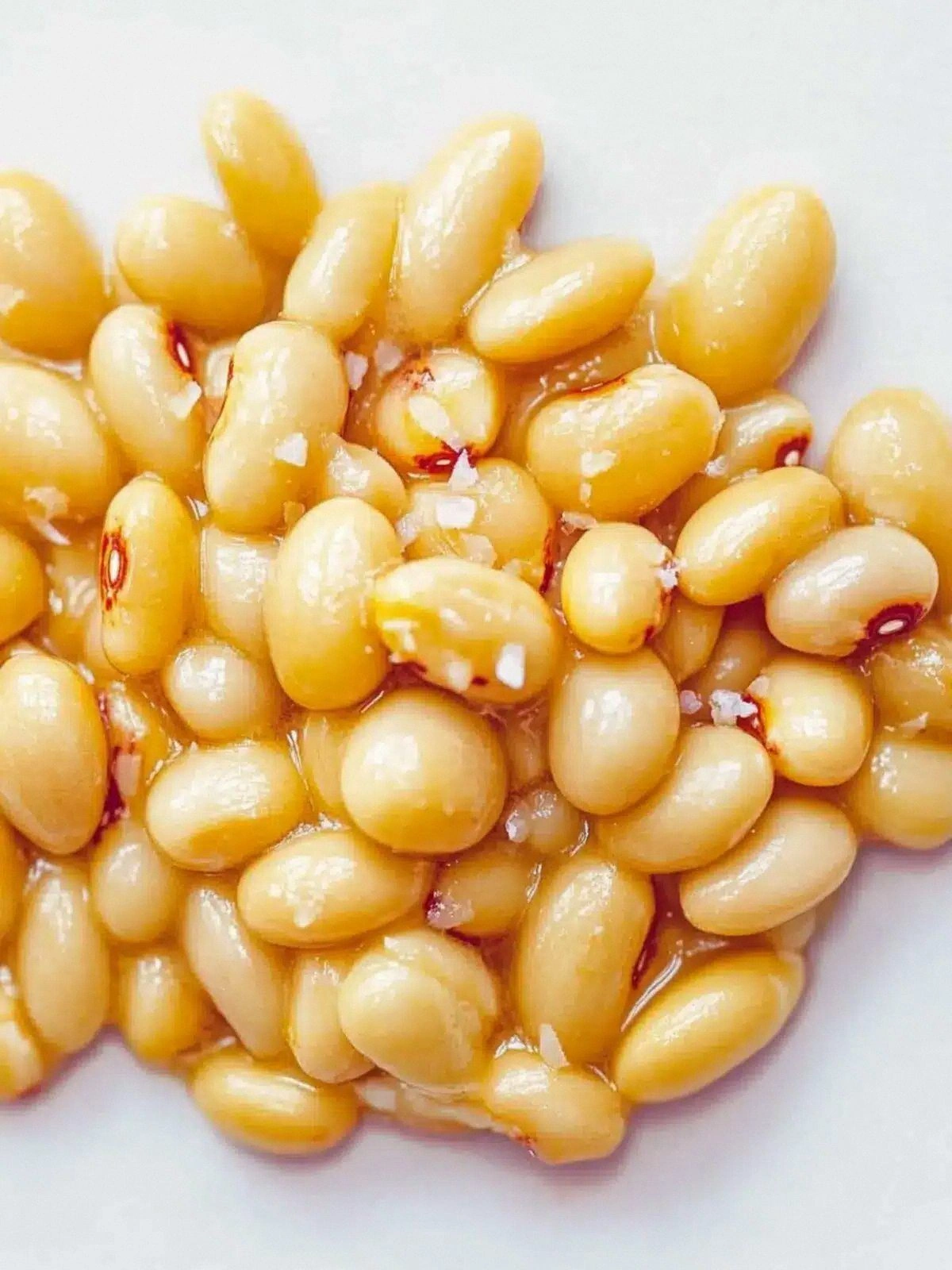
White beans are the protein powerhouse that gives this soup body and heartiness. Canned beans are the most convenient option, but if you prefer a fresher taste, use pre‑cooked dried beans that have been soaked overnight. The beans’ mild flavor allows the spices to shine, and their creamy texture blends seamlessly with the pumpkin puree. Be sure to drain and rinse the beans to remove excess sodium and achieve a cleaner taste.
Olive oil is the medium that brings everything together, creating a silky base that helps the spices bloom. A good quality extra‑virgin olive oil adds a fruity finish that lifts the soup’s overall profile. Use enough to coat the bottom of the pot, but not so much that it overwhelms the subtle flavors. The oil also helps the onions and garlic release their aromatic compounds, building a rich flavor foundation.
The Unexpected Star
Ground cumin is the warm spice that anchors the soup’s flavor profile. Its earthy notes add depth and balance the pumpkin’s natural sweetness. A teaspoon is sufficient for four servings, but adjust to taste if you prefer a stronger cumin presence. The cumin’s subtle heat keeps the dish from feeling too sweet, creating a well‑rounded flavor experience.
Ground cinnamon is the secret twist that brings a fall-inspired aroma. A half‑teaspoon adds a gentle warmth that complements the pumpkin without overpowering it. Cinnamon’s subtle sweetness enhances the overall flavor, making the soup feel cozy and comforting. This small addition is the difference between a plain pumpkin soup and a memorable autumn classic.
The Final Flourish
Fresh parsley is the bright, herbaceous garnish that adds a pop of color and freshness to each bowl. Chop the parsley finely so it disperses evenly, and sprinkle it just before serving for a burst of fresh flavor. The parsley’s slight peppery bite cuts through the soup’s richness, providing a balanced finish. If you’re feeling adventurous, a drizzle of extra‑virgin olive oil or a splash of lemon juice can add another layer of brightness.
Salt and pepper are essential for seasoning, but they’re not the star of the show. They simply bring the flavors together, ensuring each element shines. Taste as you go, and adjust the seasoning to suit your palate. A pinch of pepper adds a subtle kick that enhances the overall profile without overwhelming the dish.
Everything's prepped? Good. Let's get into the real action…
The Method — Step by Step
- Heat two tablespoons of olive oil in a large pot over medium heat. Add one diced medium onion and cook until translucent, about five minutes. The onion should become soft and slightly caramelized, releasing a sweet aroma. Stir occasionally to prevent sticking and to ensure even cooking. This step forms the flavorful base that carries the rest of the soup.
- Add three cloves of minced garlic to the pot and let it sizzle for thirty seconds. The garlic should release a sharp, comforting scent without turning bitter. Keep the heat moderate to avoid burning the garlic, which can impart a harsh flavor. This quick burst of garlic adds depth and complexity to the soup. The aroma should be inviting, signaling that the soup is coming together.
- Stir in one teaspoon of ground cumin and half a teaspoon of ground cinnamon, letting them toast for about a minute. The spices should release their warm aromas and deepen in color. This toasting step is essential for unlocking the full flavor potential of the cumin and cinnamon. The mixture should smell toasty, like fresh coffee grounds. This is the moment when the soup’s flavor profile begins to take shape.
- Pour in two cups of pumpkin puree and four cups of vegetable broth, then bring the mixture to a gentle simmer. The broth should bubble softly, and the pumpkin should start to thicken slightly. Stir occasionally to prevent the puree from sticking to the bottom of the pot. The soup should begin to take on a rich, golden hue. This step allows the flavors to meld together.
- Add two cups of drained white beans to the pot and simmer for ten minutes. The beans should heat through and absorb the surrounding flavors. The soup should thicken slightly, creating a velvety consistency. Taste the soup to ensure the beans are tender and the flavors are balanced. This step brings body to the soup without making it heavy.
- Season with salt and pepper to taste, stirring gently to incorporate. The seasoning should be subtle, enhancing the natural sweetness of the pumpkin and the earthiness of the cumin. Adjust the salt and pepper gradually, tasting after each addition, to avoid over‑seasoning. A well‑balanced seasoning will elevate the soup’s overall flavor profile. This is the moment of truth for the soup’s taste.
- Using an immersion blender, puree the soup until it reaches a silky, smooth consistency. If you prefer a chunkier texture, reserve a handful of beans to leave whole. The blending process should create a velvety mouthfeel that coats the tongue. Keep the pot on low heat while blending to maintain temperature and prevent scorching. This step transforms the soup into a comforting, luxurious texture.
- Return the soup to the heat and let it simmer for an additional five minutes to allow the flavors to meld. This brief second simmer helps the spices integrate fully and ensures the soup is piping hot. Stir occasionally to keep the soup from sticking to the bottom. The aroma should be warm and inviting. This final simmer gives the soup a polished finish.
- Taste the soup again and adjust seasoning if necessary, adding more salt, pepper, or a pinch of cinnamon for extra warmth. The final flavor balance should feel harmonious and comforting. The soup should be thick enough to coat the spoon but still pourable. This step ensures the soup is perfectly seasoned for every palate.
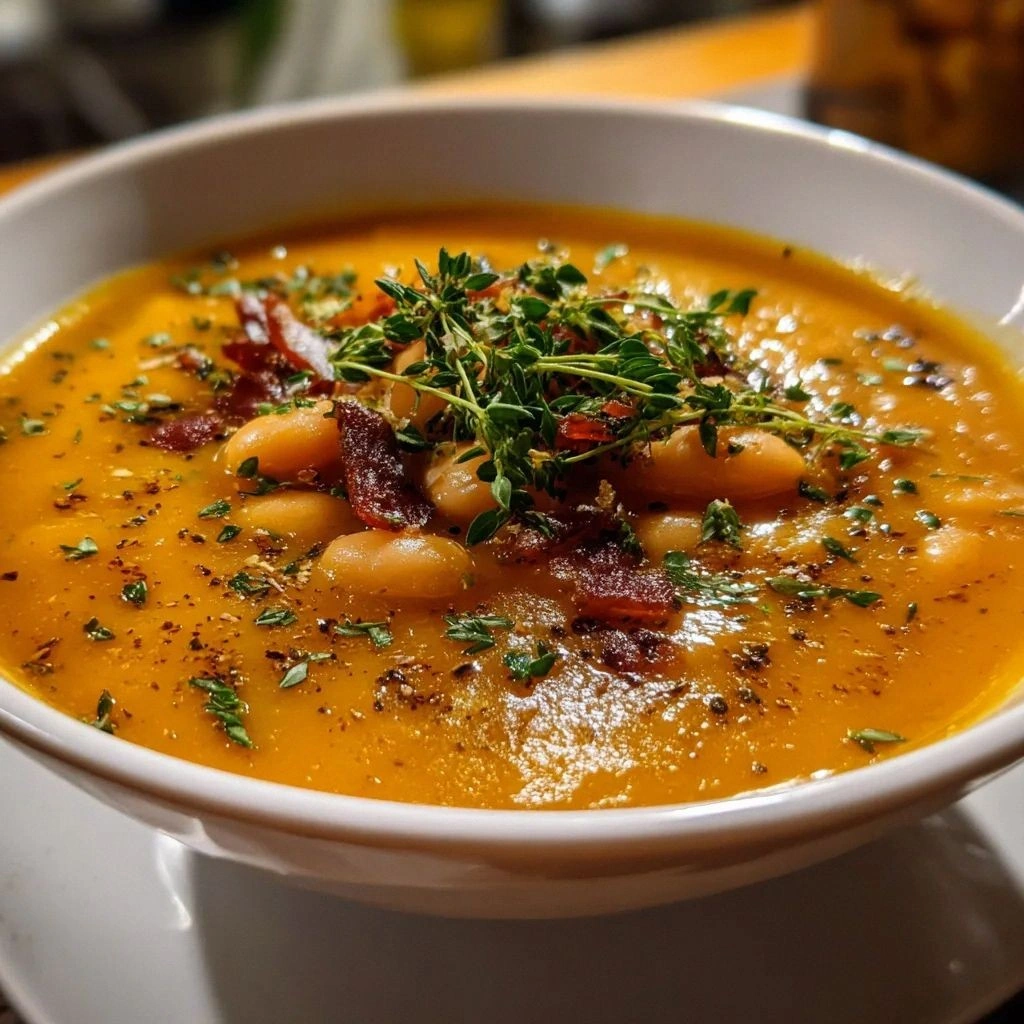
- Serve the soup hot in bowls, garnishing each with a generous sprinkle of fresh parsley. The parsley adds a bright, herbaceous note that cuts through the richness of the pumpkin. Optionally drizzle a teaspoon of olive oil for an extra glossy finish. The garnish should be visible and fragrant, making the dish look as good as it tastes.
- Enjoy the comforting warmth of the soup, letting each spoonful melt into a moment of pure bliss. Pair it with crusty bread or a light salad for a complete meal. The soup’s hearty yet light texture makes it a perfect starter or main dish. This is the moment when you realize how simple ingredients can create something extraordinary.
Insider Tricks for Flawless Results
The Temperature Rule Nobody Follows
Maintaining a gentle simmer throughout the cooking process prevents the soup from becoming watery or scorching. Too high a heat can cause the pumpkin puree to separate, while too low a heat can leave the beans under‑cooked. Aim for a steady, low boil that bubbles gently; this ensures even cooking and a silky texture. A thermometer is handy, but even your eyes and sense of aroma can guide you. Remember, a slow, steady simmer is the secret to a perfectly balanced soup.
Why Your Nose Knows Best
Trust your nose when seasoning; it’s the most reliable guide for flavor balance. As the soup simmers, the aroma will shift, indicating when spices are fully released. If the smell is too sharp, give it a few more minutes; if it’s too mild, add a pinch more cumin or cinnamon. The nose can detect subtle changes that taste alone might miss. This sensory approach guarantees a more nuanced flavor profile.
The 5‑Minute Rest That Changes Everything
Letting the soup rest for five minutes after removing it from heat allows the flavors to settle and the temperature to even out. This brief pause prevents the soup from continuing to cook and potentially over‑seasoning. It also lets the beans re‑absorb some broth, thickening the soup slightly. A rested soup tastes smoother and more harmonious. Give it the rest it deserves.
Blending Technique for Silky Smoothness
When using an immersion blender, keep the blade just below the surface to avoid splattering hot liquid. Blend in short bursts, then stir to mix, repeating until smooth. If you’re using a countertop blender, let the soup cool slightly before transferring to prevent pressure build‑up. A properly blended soup will coat the tongue like velvet, delivering a luxurious mouthfeel. Don’t rush the blending; patience pays off.
Adding a Touch of Acidity
A splash of apple cider vinegar or lemon juice added at the end brightens the soup and cuts through the richness of the pumpkin. The acidity balances the sweetness and brings a fresh lift to the flavor profile. Add it sparingly, tasting as you go, to avoid overpowering the dish. A small amount of acidity can transform the soup from comforting to vibrant. This simple tweak elevates the entire experience.
Serving Temperature Matters
Serve the soup hot, but not scalding. A temperature between 175°F and 185°F (80°C–85°C) ensures the soup feels warm without burning the palate. If you’re reheating leftovers, warm it gently on the stove or in the microwave, stirring frequently. Avoid over‑heating, which can cause the soup to separate or lose its silky texture. The right serving temperature enhances the overall enjoyment of the dish.
Creative Twists and Variations
This recipe is a playground. Here are some of my favorite ways to switch things up:
Roasted Sweet Potato Version
Swap pumpkin puree for roasted sweet potato cubes. Roast at 400°F for 25 minutes until tender and caramelized. This adds a deeper sweetness and a slightly firmer texture. Pair with a drizzle of maple syrup for an extra fall flavor. The result is a hearty, rustic soup that feels like a cozy campfire meal.
Spicy Chipotle Kick
Add a diced chipotle pepper or a teaspoon of chipotle powder for a smoky heat. This pairs beautifully with the cinnamon’s warmth, creating a complex, layered flavor. Reduce the cinnamon slightly to balance the heat. The soup becomes a bold, adventurous dish that’s perfect for spice lovers.
Coconut Milk Creaminess
Stir in a half cup of coconut milk after blending for a tropical twist. The coconut adds richness and a subtle sweetness that complements the pumpkin. Use light coconut milk to keep the soup lighter. The result is a creamy, fragrant soup with a hint of the tropics.
Herbed Tomato Variant
Introduce a cup of roasted red tomatoes and a handful of fresh basil for a Mediterranean flair. The tomatoes add acidity and depth, while basil brings bright herbal notes. Reduce the cumin slightly to let the tomato flavor shine. This version feels lighter and is great for a spring or summer twist.
Protein‑Packed Lentil Boost
Add a cup of cooked lentils for extra protein and a nutty flavor. Lentils absorb the spices well, making them a perfect companion to the pumpkin. Use brown lentils for a firmer texture, or green lentils for a subtle earthiness. This variation turns the soup into a filling, balanced meal.
Breakfast Bowl Upgrade
Top the soup with a fried or poached egg, a sprinkle of crumbled feta, and a drizzle of hot sauce. The egg adds protein, the feta brings tang, and the hot sauce adds a punch of heat. Serve with toasted bread for a breakfast‑style bowl. This makes the soup a hearty, satisfying start to your day.
Storing and Bringing It Back to Life
Fridge Storage
Cool the soup completely before transferring it to an airtight container. Store it in the refrigerator for up to four days. The flavors will meld further, making the soup even more comforting. Keep the container sealed to prevent odors from other foods from seeping in. When ready to eat, reheat on the stove or in the microwave.
Freezer Friendly
Pour the cooled soup into freezer‑safe containers or zip‑lock bags, leaving a little headspace for expansion. Freeze for up to three months. Label each container with the date for easy tracking. This method preserves the soup’s texture and flavor, making it a convenient option for busy weeks.
Best Reheating Method
To reheat, add a splash of water or broth to loosen the consistency. Warm gently on the stove, stirring frequently, until hot. For microwave reheating, use a low setting and stir halfway through to avoid hot spots. A small amount of liquid helps the soup regain its silky texture. Serve immediately for the best experience.