I was standing in my kitchen, the oven preheated, a bag of flour in my hand, when the phone rang. The caller was my cousin, a self‑proclaimed snack connoisseur, demanding a new twist on the classic pretzel. I laughed, knowing that the only way to satisfy her was to combine something unexpected—pumpkin beer—and something comforting—pretzels. The idea landed in my head like a thunderclap: a chewy, salty pretzel soaked in the sweet, malty warmth of pumpkin ale, finished with a smoky chipotle‑cheddar drizzle. I was already convinced this would be the snack that turns any gathering into a headline act.
Picture the kitchen: a bright window letting in the late afternoon sun, the scent of yeast rising from a bowl that smells like warm bread and autumn apples, the gentle hiss of boiling water, a soft hum from the fridge, and the faint metallic tang of melted butter. My ears caught the rhythmic clatter of the mixing bowl, the subtle crackle of the dough as it swells, and the distant murmur of a TV show about craft beer. My hands felt the roughness of the flour dusting the counter, the slickness of the butter sliding over my fingertips, and the cool bite of a wooden spoon against the pot. The taste of the first bite—salted crust, a burst of caramelized sugars, a lingering whisper of smoked paprika—was an instant revelation. The texture, a paradox of a crisp exterior and a tender, airy interior, made me realize that this was not just a snack; it was an experience.
What sets these pumpkin beer pretzels apart is the synergy of flavors and the meticulous layering of techniques. The beer isn’t just a liquid; it’s a flavor vector that infuses the dough with depth, turning a simple pretzel into a carnival of taste. The chipotle‑cheddar sauce acts as a velvety cloak that coats the pretzel without drowning it, offering a creamy heat that lingers on the palate. The baking soda bath gives the pretzels that iconic dark crust and that unmistakable chew. I dare you to taste this and not go back for seconds, because the moment the salt hits your tongue you’ll know you’ve found something extraordinary. Every bite is a testament to how a single ingredient can transform a familiar snack into something unforgettable.
Most recipes get this completely wrong, treating the pretzel as a one‑dimensional treat. The secret, however, lies in the balance of moisture and the precise timing of the pretzel’s immersion. I’ll be honest—my first batch was a mess of soggy dough that never rose, and I ate half the batch before anyone else got a chance to try it. That experience taught me the importance of the yeast proofing step, the exact temperature of the baking soda bath, and the critical moment when the sauce should be poured. With the right adjustments, the dough rises like a balloon, the pretzel cracks into a golden shell, and the sauce clings like a glossy glaze. The result is a snack that is both comforting and adventurous, a perfect bridge between the familiar and the daring.
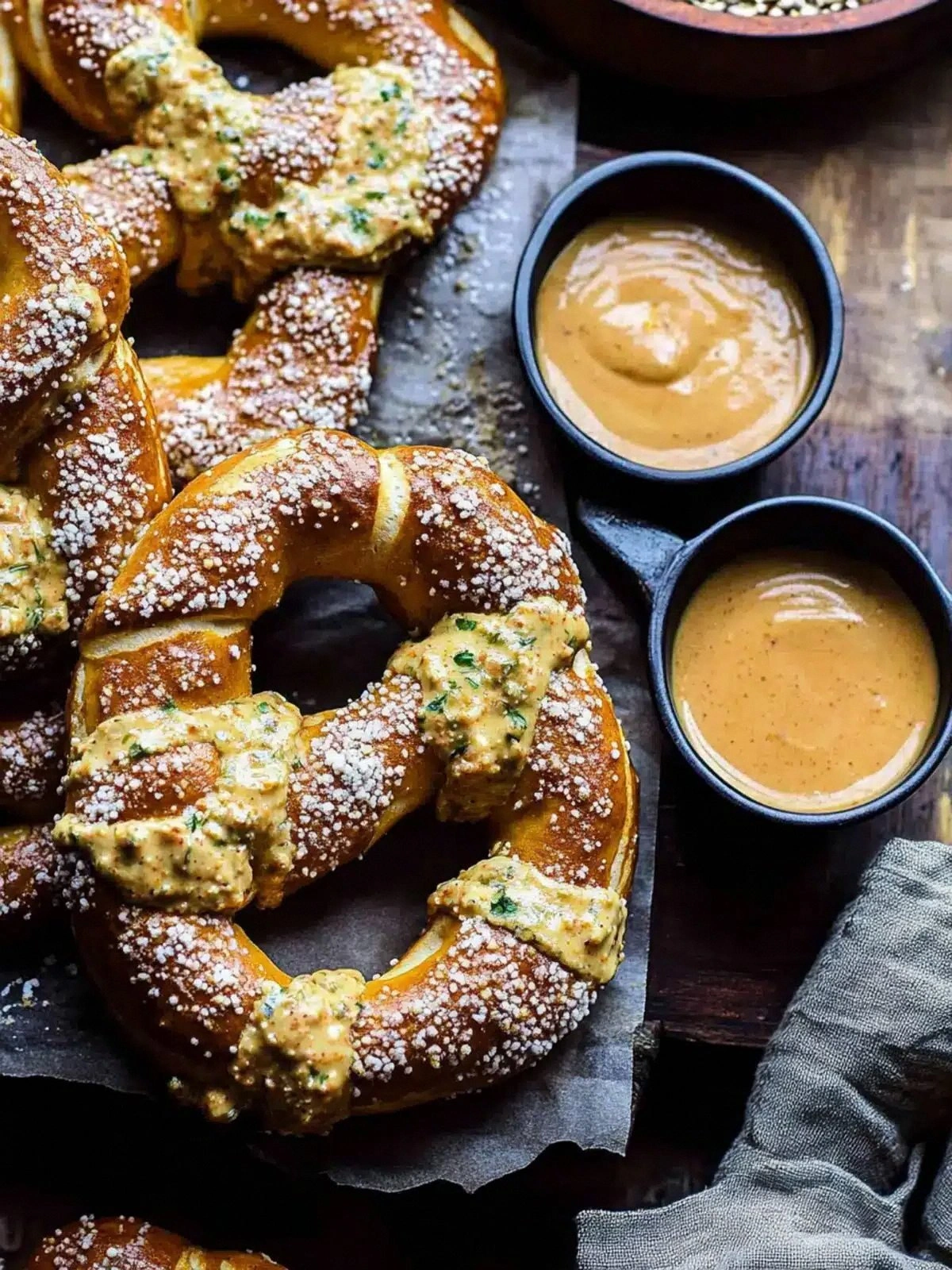
Picture yourself pulling this out of the oven, the whole kitchen smelling incredible, the steam curling like wisps of cloud, and the pretzels glistening under a drizzle of sauce. The first bite is a symphony of crunch, heat, and sweet‑salty harmony, and you’ll find yourself reaching for more. I promise you, this is hands down the best version you'll ever make at home, and by the end of this guide, you'll wonder how you ever made it any other way. Let me walk you through every single step — by the end, you'll wonder how you ever made it any other way.
What Makes This Version Stand Out
- Flavor Depth: The pumpkin beer infuses the dough with a subtle malty sweetness that pairs perfectly with the sharpness of cheddar, creating a complex flavor profile that lingers long after the last bite.
- Crisp Texture: The baking soda bath turns a soft pretzel into a golden, crackling masterpiece, giving each piece a satisfying crunch that contrasts beautifully with the creamy sauce.
- Heat Balance: The chipotle peppers add a smoky heat that is tempered by the richness of cream cheese and cheddar, ensuring the sauce is bold yet balanced.
- Visual Appeal: The glossy, caramelized crust and the vibrant orange of the sauce make this snack a feast for the eyes as well as the palate.
- Make‑Ahead Friendly: The dough can be prepared a day in advance, proofed, and frozen, allowing you to bake fresh pretzels on demand for parties or late‑night cravings.
- Ingredient Quality: Using a craft pumpkin ale, fresh cheddar, and real chipotle peppers elevates the dish from ordinary to gourmet.
Inside the Ingredient List
The Flavor Base
The 1/2 cup of warm water is the lifeline of the dough, dissolving the yeast and activating the sugars that feed the yeast. Warm water encourages a brisk fermentation, giving the pretzel its airy interior. Skipping this step or using cold water will result in a dense, flat pretzel that lacks the characteristic chew.
Two tablespoons of light brown sugar feed the yeast and add a subtle caramel undertone to the dough. If you prefer a sweeter pretzel, you can double the sugar, but be mindful that too much sweetness will overpower the savory elements. A quick swap for honey or maple syrup can introduce a different nuance, but adjust the liquid proportion accordingly to keep the dough’s consistency.
Two and a quarter teaspoons of active dry yeast are the engine that drives the dough’s rise. Yeast is the secret to that soft, pillowy center. Using fresh yeast or instant yeast can alter the rise time; instant yeast can be mixed directly with the flour, while active dry yeast needs proofing in warm water first.
The Texture Crew
A cup of pumpkin beer brings a malty, slightly fruity flavor that permeates the dough, giving it a distinct autumnal aroma. The alcohol content evaporates during baking, leaving behind a warm, comforting taste. If you’re avoiding alcohol, substitute a pumpkin‑infused malt syrup, but keep the liquid level the same.
Half a cup of unsalted butter enriches the dough, creating a tender crumb and a subtle buttery finish. Butter also helps the pretzel develop a golden crust. For a dairy‑free version, replace the butter with coconut oil, but note that the flavor profile will shift slightly toward coconut.
One and a half teaspoons of kosher salt balances the sweetness and enhances the overall flavor profile. Salt is crucial for controlling yeast activity; too little salt will result in overproofing, while too much will suppress the rise. A pinch of sea salt can add a mineral note that complements the beer’s malty character.
The Unexpected Star
Four and a half cups of all‑purpose flour provide the structure for the pretzels. The protein content in the flour dictates the chewiness; a higher protein flour yields a chewier bite. If you prefer a softer pretzel, reduce the flour by a quarter cup and increase the liquid slightly.
A quarter cup of baking soda is essential for the signature pretzel crust. It reacts with the acidic beer to create carbon dioxide bubbles that puff the dough and give it that dark, caramelized finish. Don’t skip this step; it’s the difference between a pretzel and a plain roll.
The single egg adds richness and helps bind the dough together, giving the pretzel a glossy sheen when baked. If you’re vegan, replace the egg with a flaxseed egg or a tablespoon of apple sauce to maintain moisture and structure.
The Final Flourish
The coarse sea salt or pretzel salt is sprinkled on the finished pretzels to provide that classic pretzel crunch. It’s the final touch that elevates the snack from ordinary to unforgettable. If you’re watching sodium, use a low‑sodium salt alternative, but remember the flavor will be milder.
The sauce begins with a tablespoon of butter melted in a saucepan, creating a rich base that carries the cheese and chipotle flavors. Butter also helps the sauce coat the pretzels evenly, preventing clumps. For a lighter sauce, use olive oil, but the butter’s flavor will be noticeably different.
Four ounces of cream cheese soften the sauce into a velvety texture, while one and a half cups of whole milk thin it out to a pourable consistency. The cream cheese also adds a tang that balances the heat from the chipotle. If you’re lactose intolerant, use a dairy‑free cream cheese and a plant‑based milk.
Twelve ounces of sharp cheddar cheese melts into a gooey, flavorful layer that coats the pretzel and adds a sharp bite. Cheddar’s sharpness contrasts the mild sweetness of the beer and the creaminess of the sauce. A blend of cheddar and pepper jack can introduce an extra kick.
A tablespoon of all‑purpose flour thickens the sauce, ensuring it clings to the pretzel without running off. If you’re avoiding flour, use a slurry of cornstarch and water for the same thickening effect. The sauce should be thick enough to coat but still pourable.
Two chipotle peppers in adobo bring smoky heat and a vibrant color to the sauce. They’re the secret weapon that makes this pretzel stand out from the crowd. If you prefer less heat, use only one pepper or thinly slice it to reduce the intensity.
Everything's prepped? Good. Let's get into the real action...
The Method — Step by Step
- Proof the Yeast: In a small bowl, combine the warm water, brown sugar, and yeast. Stir gently until the mixture is frothy, indicating the yeast is alive. Cover with a damp towel and let it sit for 10–15 minutes. The dough will start to bubble, a sign that the yeast is ready to lift the pretzels. This early step ensures a light, airy crumb.
- Mix the Dry Ingredients: In a large mixing bowl, whisk together the flour, baking soda, kosher salt, and a pinch of sea salt. This dry blend sets the stage for the dough’s structure. Make sure the baking soda is evenly distributed to avoid uneven browning. The salt also helps control yeast activity, preventing overproofing.
- Combine Wet and Dry: Pour the yeast mixture into the dry mix and stir with a wooden spoon until a shaggy dough forms. Add the melted butter, egg, and pumpkin beer gradually, mixing until the dough pulls away from the sides of the bowl. If the dough feels too dry, add a tablespoon of warm water; if too wet, add a tablespoon of flour.
- First Rise: Transfer the dough onto a floured surface and knead for about 8–10 minutes until it becomes smooth and elastic. Place the dough back in the bowl, cover, and let it rise in a warm spot for 45 minutes, or until it doubles in size. This rise is crucial for developing the pretzel’s characteristic chew.
- Shape the Pretzels: Punch down the dough to release excess air and divide it into eight equal pieces. Roll each piece into a long rope, then twist into a pretzel shape. Pinch the ends together to seal. Place the shaped pretzels on a parchment‑lined baking sheet, spacing them apart.
- Watch Out: In a large pot, bring 4 cups of water to a gentle boil. Add the baking soda carefully; it will bubble vigorously. Reduce the heat to a simmer and carefully slide each pretzel into the bath for 30 seconds, flipping once. Remove with a slotted spoon and place back on the sheet. This step is essential for achieving the pretzel’s signature crust; skip it, and you’ll end up with a plain roll.
- Second Rise: Let the pretzels rest for 10 minutes while you preheat the oven to 425°F (220°C). During this brief pause, the dough will relax, allowing the pretzels to rise slightly and form a crisp exterior.
- Bake to Perfection: Brush each pretzel with melted butter and sprinkle generously with coarse sea salt or pretzel salt. Bake for 12–15 minutes, or until golden brown. The pretzels should emit a nutty aroma, and the crust should crackle when you touch it. Remove from the oven and let them cool on a wire rack for a few minutes before serving.
- Prepare the Sauce: While the pretzels are baking, melt the butter in a saucepan over medium heat. Add the flour and stir until it forms a smooth paste, cooking for 1–2 minutes. Gradually whisk in the whole milk, then add the cream cheese, cheddar, and chipotle peppers. Cook until the sauce thickens, stirring constantly. The sauce should coat the back of a spoon and cling to the pretzels without dripping.
- Serve: Once the pretzels are ready, drizzle the sauce over them or serve it on the side as a dipping sauce. The contrast of the salty pretzel, the smoky heat of the sauce, and the creamy richness creates an unforgettable snack. Pair with a cold pint of pumpkin beer for a full autumn experience.
That's it — you did it. But hold on, I've got a few more tricks that'll take this to another level...
Insider Tricks for Flawless Results
The Temperature Rule Nobody Follows
Many home bakers overlook the importance of dough temperature. The dough should feel warm to the touch, about 95°F (35°C). If it’s too cold, the yeast will be sluggish, leading to a dense crumb. If it’s too hot, the yeast will die, and the pretzels will collapse. Keep the dough in a slightly warm spot, like near a stove or a sunny window, and test with your fingertip; it should feel pleasantly warm, not hot.
Why Your Nose Knows Best
As the pretzels bake, your nose will detect subtle changes in aroma that indicate the perfect bake time. A faint nutty scent signals that the crust is caramelizing, while a stronger, almost burnt scent means you’re overbaking. Trust your senses; a well‑baked pretzel should have a warm, yeasty fragrance that lingers on the tongue.
The 5‑Minute Rest That Changes Everything
After the pretzels are pulled from the baking sheet, let them rest for exactly five minutes before serving. This brief pause allows the steam to redistribute, preventing a soggy center and ensuring the crust stays crisp. The rest also gives the sauce a chance to settle, creating a harmonious balance between the pretzel and the sauce.
Keep the Sauce Cool
When you’re ready to serve, keep the sauce in a small saucepan over low heat. If it cools too much, it will thicken and become difficult to pour. A gentle heat keeps it silky and ready to drizzle. If you’re serving the sauce on the side, keep it in a warming bowl to maintain its consistency.
Use a Pretzel Press
A pretzel press can save time and give your pretzels a consistent shape. If you’re baking for a crowd, investing in a press pays off. The press also ensures each pretzel has the same thickness, which translates to uniform baking times and even flavor distribution.
Creative Twists and Variations
This recipe is a playground. Here are some of my favorite ways to switch things up:
Cheesy Jalapeño Pretzel
Swap the chipotle peppers for fresh jalapeños, and add a handful of shredded pepper jack. The result is a zesty, spicy pretzel that pairs wonderfully with a cool cucumber dip.
Herb‑Infused Pretzel
Introduce rosemary or thyme into the dough, and finish with a sprinkle of chopped fresh herbs after baking. The herbal aroma adds a fragrant layer to the already complex flavor.
Sweet Cinnamon Pretzel
Replace the sharp cheddar with a mixture of cream cheese and a touch of honey, then dust the pretzels with cinnamon sugar before baking. This version is a sweet, savory treat that’s perfect for dessert.
Vegan Pretzel
Omit the egg and use a flaxseed egg for binding. Replace the butter and cream cheese with vegan butter and cashew cream. The dough will rise just as well, and the sauce will still be creamy.
Gluten‑Free Pretzel
Use a gluten‑free flour blend and a bit more baking soda to compensate for the lack of gluten. The texture will be slightly denser, but the flavor profile remains intact.
Storing and Bringing It Back to Life
Fridge Storage
Wrap the cooled pretzels tightly in plastic wrap or place them in an airtight container. Store in the refrigerator for up to 3 days. When you’re ready to eat, reheat them in a preheated oven at 350°F (175°C) for 5 minutes to restore crispness.
Freezer Friendly
After baking, let the pretzels cool completely, then wrap them in foil and place them in a freezer bag. They’ll keep for up to 2 months. To reheat, thaw at room temperature for 30 minutes, then bake at 375°F (190°C) for 10 minutes.
Best Reheating Method
Reheat the pretzels in a skillet with a splash of water, covering with a lid. This method steams the pretzels, keeping them moist inside while the crust stays crisp. A tiny splash of water before reheating steams the pretzels back to perfection.