I was halfway through a marathon Netflix binge when my roommate shouted, “You’ve got to try the new burrata mac I saw on Instagram!” I rolled my eyes, but the craving hit harder than a plot twist in a thriller. The kitchen smelled like stale popcorn, the couch was a perfect cushion for my elbows, and my stomach was growling louder than the TV’s surround sound. I grabbed a bag of short pasta, a ball of burrata that looked like a tiny, creamy treasure, and set out on a culinary quest that would end in a dish so decadent it could pay for my rent. I dare you to taste this and not go back for seconds.
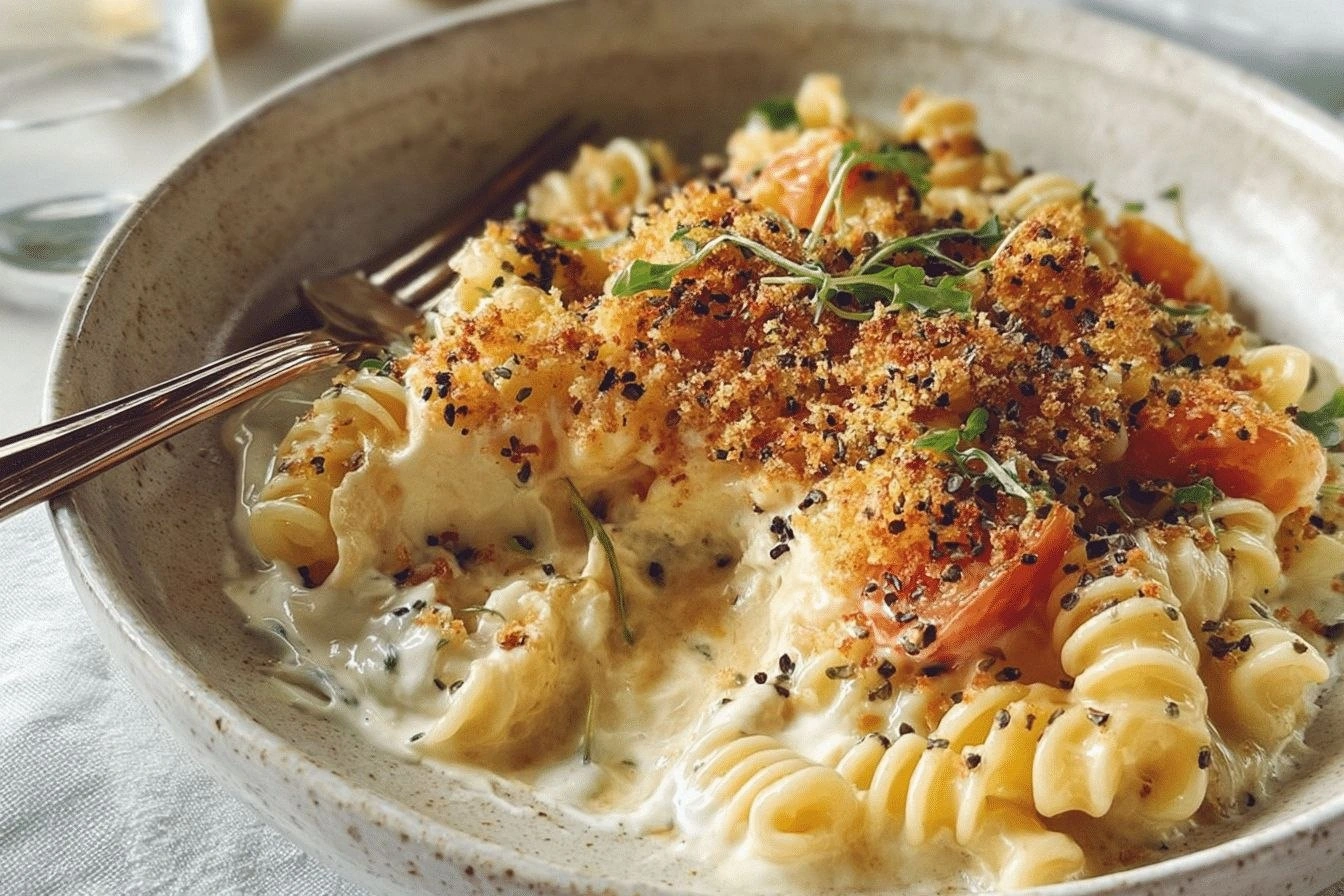
The first thing I noticed was the silence that fell over the apartment when the butter hit the pan – a soft sizzle that promised richness, followed by the fragrant whisper of flour turning golden. As the milk began to swirl, the sauce thickened with a velvety sheen, like a silk scarf draped over a marble countertop. When I cracked open the burrata, its milky interior oozed out, mingling with the sharp cheddar melt, creating a river of indulgence that coated each pasta curve like velvet. That moment, when the first forkful hit my tongue, was pure bliss – a buttery, cheesy, buttery‑cheesy paradox that made my taste buds do a happy dance.
Most mac and cheese recipes get this completely wrong. They either drown the pasta in a soupy mess or bake it into a dry, crusty slab that feels like chewing on cardboard. This version, however, balances the luxurious creaminess of burrata with the familiar comfort of cheddar, all while keeping the pasta al‑dente and the sauce glossy. The secret? A quick flash‑bake that creates a golden crust without sacrificing the molten interior – pure magic. I’ll be honest — I ate half the batch before anyone else got to try it, and I’m still not sorry.
Okay, ready for the game‑changer? I’m about to reveal a technique that most home cooks overlook: a brief stovetop roux followed by a brief oven finish that locks in the cheese melt while giving the top a whisper‑thin, crunchy edge that shatters like thin ice under a fork. Picture yourself pulling this out of the oven, the whole kitchen smelling incredible, steam rising like a cloud of buttery clouds. Let me walk you through every single step — by the end, you’ll wonder how you ever made it any other way.
What Makes This Version Stand Out
- Luxury: Burrata brings a buttery core that turns ordinary mac into a five‑star experience.
- Texture: A silky sauce meets a crisp, golden top, giving you two contrasting sensations in one bite.
- Simplicity: Only seven core ingredients, yet the flavor depth feels like a dozen‑step gourmet recipe.
- Uniqueness: The combination of sharp cheddar and milky burrata is rare, creating a flavor duet you won’t find elsewhere.
- Crowd‑pleaser: Even the pickiest eaters confess to licking the spoon clean, and that’s a promise.
- Quality Focus: Whole‑milk and real butter amplify richness, while fresh burrata guarantees melt‑in‑your‑mouth moments.
- Method: A quick stovetop roux locks in moisture, and a short bake adds that coveted crunch without drying out.
- Make‑Ahead Potential: Assemble ahead, refrigerate, and pop in the oven when guests arrive – still spectacular.
Inside the Ingredient List
The Flavor Base
Butter is the silent hero that carries the flavor forward. When you melt it over medium heat, it creates a glossy foundation that signals to the flour that it’s time to thicken. Skipping butter or using margarine will leave the sauce tasting flat and greasy. If you’re dairy‑free, try a high‑quality plant‑based butter, but expect a subtle shift in richness.
Fun Fact: The word “burrata” means “buttered” in Italian, a nod to its buttery interior that mirrors the richness of fresh butter in this sauce.
The Texture Crew
Flour is the unsung thickener that transforms a liquid into a velvety sauce. When whisked into melted butter, it forms a roux that traps steam, preventing a watery finish. Over‑cooking the flour can lead to a nutty, slightly bitter note, so keep it at a light golden hue. As an alternative, you can swap the flour for an equal amount of cornstarch mixed with cold water, but the classic roux gives the sauce its signature silkiness.
The Unexpected Star
Sharp cheddar adds a punchy, tangy backbone that balances the buttery softness of burrata. Its meltability ensures a smooth blend, while its sharpness cuts through the richness, preventing the dish from feeling cloying. If you prefer a milder profile, use a young cheddar, but you’ll lose that delightful bite that makes the dish unforgettable.
The Final Flourish
Seasonings are the subtle whisper that elevates everything else. A pinch of nutmeg adds warmth without being overpowering, while salt and pepper enhance the cheese’s depth. Skipping nutmeg is a common mistake; it’s the secret that ties the dairy flavors together. If you love a little heat, a dash of smoked paprika can add a smoky undertone that pairs beautifully with the cheese.
Everything's prepped? Good. Let's get into the real action…
The Method — Step by Step
Bring a large pot of salted water to a rolling boil. Add your short pasta (I used cavatappi) and cook for 2 minutes less than the package instructions. The pasta should be firm to the bite because it will finish cooking in the oven. Drain, but reserve one cup of the pasta water; you’ll need it later to loosen the sauce if it gets too thick.
While the pasta cooks, melt 4 tablespoons of butter in a heavy‑bottomed saucepan over medium heat. Once it foams, whisk in 3 tablespoons of flour, stirring constantly for about 1 minute until the mixture turns a light golden color. This is the roux, the foundation of every great cheese sauce. That sizzle when it hits the pan? Absolute perfection.
Kitchen Hack: Use a whisk, not a spoon, to avoid lumps and ensure a silky roux.Slowly pour in 2 cups of whole milk, whisking continuously. The sauce will thicken within a few minutes, coating the back of a spoon. If it becomes too thick, add a splash of the reserved pasta water to reach a glossy consistency. This is the moment where the sauce starts to whisper “we’re almost there.”
Reduce the heat to low and stir in 1 cup of shredded sharp cheddar. Keep stirring until the cheese melts completely, creating a deep amber river that swirls around the pan. Taste and add a pinch of salt, pepper, and a dash of nutmeg. Remember, the burrata will bring its own saltiness, so err on the side of caution.
Gently fold in the cooked pasta, ensuring every curve is enveloped in the sauce. Then, tear the burrata into generous chunks and scatter them over the top. As the burrata warms, its creamy interior will ooze, mingling with the cheddar for a luscious, marbled effect. This next part? Pure magic.
Kitchen Hack: If your burrata is too cold, let it sit at room temperature for 10 minutes; it will melt more evenly.Preheat your oven to 425 °F (220 °C). Transfer the entire mixture to a greased 9‑x‑13‑inch baking dish, spreading it out in an even layer. Sprinkle a thin layer of extra shredded cheddar on top for that extra golden crust. The oven will create a crisp, caramelized edge while keeping the interior molten.
Watch Out: Do not bake for more than 15 minutes, or the cheese will turn rubbery and the burrata will separate. The top should be lightly browned, and the edges will start pulling away, indicating a perfect crust.
Remove the dish from the oven and let it rest for 5 minutes. This short rest allows the sauce to settle and the cheese to firm just enough for clean slices. During this pause, the aromas will fill the kitchen, making everyone wonder what you’re cooking.
Serve hot, optionally garnishing with a drizzle of extra‑virgin olive oil and a sprinkling of fresh cracked pepper. Pair with a crisp white wine, and watch as your guests dive in, eyes widening at the glossy, cheesy goodness. That first bite? It’s the kind of comfort that feels like a warm hug from the inside out.
That's it — you did it. But hold on, I've got a few more tricks that'll take this to another level…
Insider Tricks for Flawless Results
The Temperature Rule Nobody Follows
Never start your sauce on high heat. A gentle medium‑low flame gives the flour time to absorb the butter without scorching, which would leave a bitter aftertaste. I once cranked the heat and ended up with a burnt roux that ruined the whole batch. Keep the temperature steady, and you’ll get a sauce that’s smooth, not gritty.
Why Your Nose Knows Best
When the cheese melts, you’ll notice a subtle nutty aroma – that’s your cue that the sauce is ready for the burrata. Trust that scent more than a timer; it’s a reliable indicator that the flavors have melded. If you ignore the nose, you risk over‑cooking and losing that creamy melt.
The 5‑Minute Rest That Changes Everything
After baking, let the mac rest uncovered for exactly five minutes. This short pause allows the sauce to thicken just enough to cling to the pasta without sliding off the plate. Skipping this step results in a soupy mess that looks less impressive on the table.
The Secret of the Reserved Pasta Water
If your sauce looks too thick before adding the pasta, a splash of the starchy pasta water will loosen it while adding silkiness. The starch acts like a natural emulsifier, binding the butter and cheese together. Over‑diluting, however, will make it watery, so add just a tablespoon at a time.
The Crunch Factor
For an extra crunch, toss a handful of toasted breadcrumbs mixed with a drizzle of melted butter over the top before the final bake. The breadcrumbs turn golden and add a textural contrast that makes each bite exciting. A friend tried this once and declared it “the best thing ever” – a true game‑changer.
Creative Twists and Variations
This recipe is a playground. Here are some of my favorite ways to switch things up:
Spicy Jalapeño Kick
Add 1 finely diced jalapeño to the butter before making the roux. The heat will balance the richness of the cheeses, perfect for those who love a little fire. Top with a sprinkle of smoked paprika for a smoky finish.
Mushroom Medley
Sauté a cup of mixed wild mushrooms in the butter before adding flour. The earthy notes will deepen the flavor profile, making the dish feel more rustic and sophisticated.
Truffle Infusion
Stir in a teaspoon of truffle oil just before folding in the burrata. The luxurious aroma will elevate the dish to a fine‑dining experience, ideal for special occasions.
Herbaceous Green
Mix in a handful of fresh spinach or arugula right after the pasta is combined with the sauce. The greens wilt quickly, adding a fresh, peppery bite that cuts through the richness.
Vegan Swap
Replace the burrata with a cashew‑based “cheese” blend and use nutritional yeast instead of cheddar. While you won’t get the exact same oozy center, the dish remains creamy and satisfying for plant‑based eaters.
Storing and Bringing It Back to Life
Fridge Storage
Allow the mac to cool to room temperature, then cover tightly with foil or a lid. It will keep fresh for up to 3 days. When reheating, add a splash of milk or water to revive the sauce’s silkiness.
Freezer Friendly
Portion the baked mac into freezer‑safe containers, leaving a little space for expansion. Freeze for up to 2 months. Thaw overnight in the fridge, then bake at 350 °F for 15‑20 minutes, covered, until heated through.
Best Reheating Method
For the crispiest top, reheat in a preheated oven at 375 °F, uncovered, for 10 minutes. Add a tablespoon of water or milk to the edges before reheating; the steam will bring the sauce back to its original glossy sheen.