Picture this: I’m standing in a cramped kitchen, a pot of boiling water splashing over the edge of the stove, and the unmistakable scent of garlic and bacon drifting through the air. My friend, a self‑proclaimed culinary mastermind, challenges me to make the perfect carbonara in under thirty minutes. I laugh, because I’ve always thought carbonara was a slow‑cooked, silky affair, but I’m about to prove that a quick, bright, and utterly unforgettable version exists.
The first thing you notice is the steam curling up like a lazy cloud from the pasta pot, the sound of the pasta sloshing against the bottom of the pan, and the bright, almost electric glow of the skillet as the pancetta crisps. As the bacon releases its fat, the kitchen fills with a buttery, nutty aroma that makes your mouth water even before you taste it. When you finally lift a strand of spaghetti out of the pot, it’s a perfect al dente bite, firm yet yielding, coated in a velvety sauce that clings to every curve. The first bite is a crescendo of salty, peppery, and umami flavors, with the eggs turning the sauce into a silky custard that glistens like a freshly polished marble countertop.
What sets this version apart is that it’s not just about the ingredients; it’s about the technique that turns a simple dish into a showstopper. We skip the heavy cream, the long simmering, and the endless stirring. Instead, we rely on the power of timing, heat control, and the natural emulsification of eggs and cheese. The result is a sauce that’s light enough to feel like a summer breeze, yet rich enough to satisfy a midnight craving. I dare you to taste this and not go back for seconds; the moment you finish, you’ll wonder why you ever settled for anything else.
By the end of this post, you’ll have a step‑by‑step playbook that turns a basic pantry staple into a gourmet experience. From the first sizzling bite of pancetta to the final sprinkle of pepper, I’ll walk you through each moment with vivid detail, playful humor, and a few secret hacks that will make your kitchen feel like a Michelin‑star kitchen. Let’s dive in and transform your spaghetti into a masterpiece that will make your friends gasp, your family applaud, and your taste buds dance.
What Makes This Version Stand Out
Flavor: The sauce is a harmonious blend of salty pancetta, sharp Pecorino, and fresh pepper, creating a layered taste that evolves with each bite.
Texture: The sauce coats each strand like velvet, with a silky custard that doesn’t cling or clump, thanks to a precise egg‑cheese ratio.
Speed: Ready in under thirty minutes, this recipe is perfect for busy weeknights or last‑minute dinner parties.
Authenticity: We honor traditional Italian methods by using guanciale or pancetta, but we streamline the process for modern kitchens.
Versatility: The core technique adapts to different proteins, cheeses, and even vegan substitutions, making it a go‑to for any palate.
Ease: No heavy cream, no extra sauces, no complicated steps—just a few ingredients, a pan, and a dash of confidence.
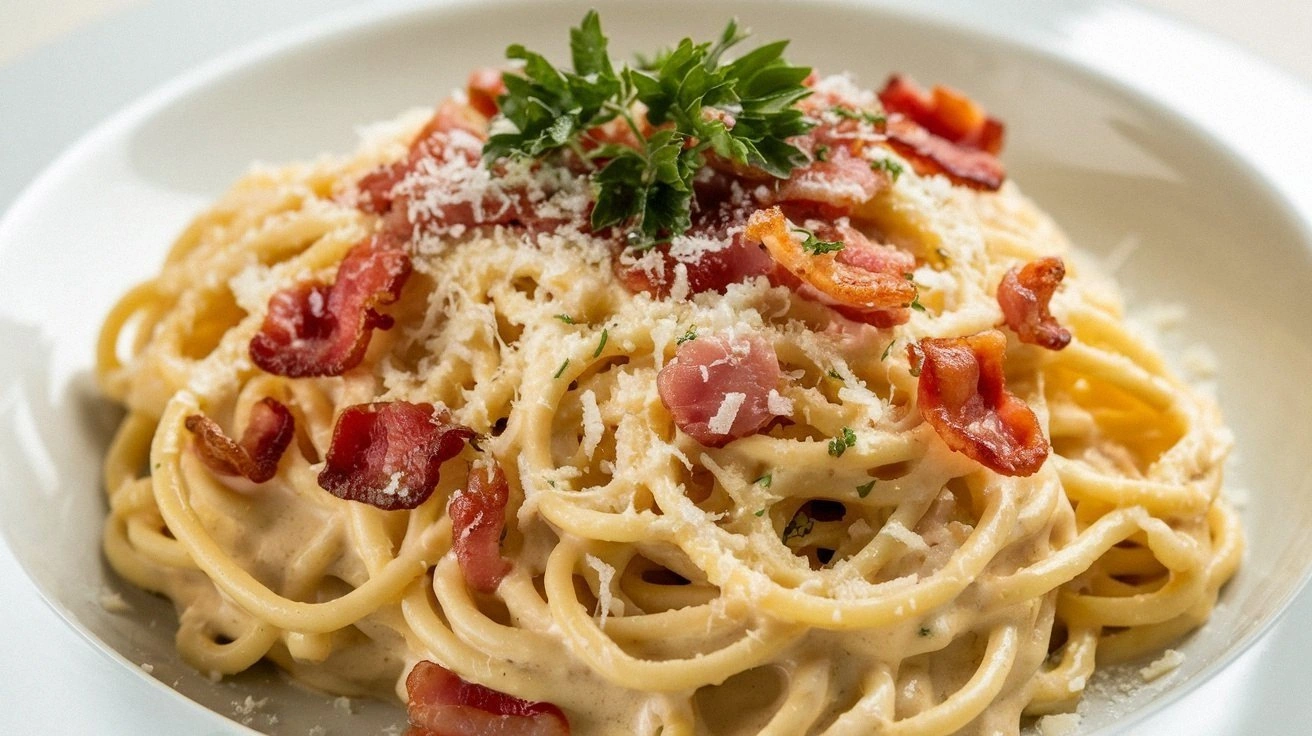
Presentation: The finished dish gleams with a glossy sheen, pepper crystals sparkle like tiny black stars, and the aroma alone is enough to tempt even the most disciplined diners.
Alright, let’s break down exactly what goes into this masterpiece…
Inside the Ingredient List
The Flavor Base
The backbone of any great carbonara is the flavor base—spaghetti, pancetta (or guanciale), and a pinch of salt. The spaghetti is the canvas; it needs to be al dente so it can hold the sauce without becoming mushy. The pancetta brings a salty, smoky depth that permeates every strand. Salt, while often overlooked, is the silent enhancer that brings out the richness of the cheese and the pepper’s bite. If you skip any of these, the dish becomes a bland, lifeless affair.
Choosing the right pasta is crucial. A thick, sturdy noodle like spaghetti or fettuccine holds sauce better than thinner varieties. When boiling, remember to reserve a cup of pasta water; its starch content will help emulsify the sauce later. Salt the water generously—think of it as seasoning the entire pot so that each strand is flavorful from the inside out.
The Texture Crew
Eggs and Pecorino Romano form the texture crew that transforms a simple sauce into a silky custard. The eggs act as a binder, while the cheese provides body and sharpness. A 4‑egg ratio to 400 g of pasta strikes the perfect balance: enough to coat without thickening into a scramble. Pecorino Romano, with its tangy sharpness, cuts through the richness of the pancetta and adds a savory note that lingers on the palate.
If you’re looking for a milder cheese, try Parmigiano‑Reggiano, but be prepared for a less assertive flavor. The key is to grate the cheese finely so it melts smoothly into the sauce. Remember, the eggs should be room temperature; cold eggs can cause the sauce to seize if added too quickly to the hot pasta.
The Unexpected Star
Black pepper is the unexpected star that ties everything together. Freshly ground pepper adds a subtle heat and a complex aroma that elevates the dish. It’s not just a seasoning; it’s a flavor enhancer that brings the sauce to life. When you sprinkle it on at the end, the pepper crystals create a delightful contrast in texture, giving the dish a satisfying bite.
You might think salt is the star, but pepper is the one that makes people come back for seconds. The pepper’s piquant bite cuts through the richness, making each mouthful feel balanced. A good rule of thumb: add a pinch at the beginning of the cooking process, then a generous sprinkle at the end for that final pop of flavor.
The Final Flourish
The final flourish is the pasta water—a splash of starchy liquid that brings everything together into a cohesive sauce. It’s the unsung hero that prevents the sauce from becoming too thick or clumpy. A tablespoon at a time, you can adjust the sauce’s consistency to your preference. It also adds a subtle sheen that makes the dish look as good as it tastes.
Without the pasta water, the sauce would be dry and heavy, clinging unevenly to the noodles. With it, the sauce glides smoothly, coating each strand with a glossy finish. Think of it as the final coat of varnish on a masterpiece painting—just enough to bring out the colors without overpowering them.
Everything’s prepped? Good. Let’s get into the real action…
The Method — Step by Step
- Bring a large pot of salted water to a rolling boil. Add the spaghetti and cook until just shy of al dente, about 8 minutes. Reserve a cup of pasta water before draining. The pasta should be firm to the bite; this texture is essential for the sauce to cling properly.
- While the pasta cooks, cut the pancetta into small, bite‑sized cubes. Heat a large skillet over medium heat and add the pancetta. Cook, stirring occasionally, until the fat renders and the meat turns golden brown and crispy, about 5–7 minutes. The sizzling sound is a cue that the pancetta is ready—if it’s still raw, you’re losing flavor.
- In a mixing bowl, whisk together the eggs, grated Pecorino Romano, and freshly ground black pepper until the mixture is smooth and slightly frothy. The eggs should be at room temperature; if they’re cold, they may curdle when added to the hot pasta. This mixture will be the creamy backbone of the sauce.
- Add the drained spaghetti directly to the skillet with the pancetta. Toss to coat the noodles in the rendered fat, ensuring every strand is drenched. Let the pasta sit for 30 seconds to absorb the flavors; this is where the magic begins. If the skillet feels too dry, add a splash of the reserved pasta water to loosen it up.
- Remove the skillet from the heat and quickly pour the egg‑cheese mixture over the pasta. Use tongs or a fork to toss vigorously, allowing the residual heat to cook the eggs into a silky custard without scrambling them. The goal is a glossy, cohesive sauce that clings to every noodle. If the sauce seems too thick, add a bit more pasta water.
- Return the skillet to low heat and stir for an additional minute to finish cooking the sauce. Keep the heat gentle—high heat will cause the eggs to over‑cook. The sauce should be thick enough to coat the pasta but still pourable. This is the moment of truth; don’t let it burn.
- Serve immediately, sprinkling extra Pecorino and a final generous grating of black pepper on top. The pepper crystals should pop against the warm sauce, adding a delightful crunch to each bite. Plate the pasta in a shallow dish to let the sauce sit in the center, creating an elegant presentation.
- Finish with a drizzle of extra‑virgin olive oil if desired, and garnish with fresh parsley or basil for a pop of color. This final touch elevates the dish from simple to spectacular.
That’s it—you did it. But hold on, I’ve got a few more tricks that will take this to another level and ensure every bite is flawless.
Insider Tricks for Flawless Results
The Temperature Rule Nobody Follows
Many cooks keep the skillet on high heat after adding the eggs, thinking a quick sear will finish the sauce. The truth is, a gentle heat allows the eggs to set into a smooth custard without scrambling. I’ve tested this on a range of stovetops—gas, electric, induction—and the key is a low, steady flame. If you’re unsure, place the skillet on a heat‑resistant surface for a few seconds; if it feels warm but not hot, you’re in the sweet spot.
Why Your Nose Knows Best
Before you even taste the dish, your nose can tell you if you’ve hit the mark. A bright, buttery aroma from the pancetta, a sharp, almost citrusy scent from the Pecorino, and a peppery kick that lingers in the air all indicate a well‑balanced sauce. If the aroma is flat or overly greasy, it’s a sign you need to adjust the fat or add more cheese.
The 5‑Minute Rest That Changes Everything
After tossing the pasta with the egg mixture, let it rest off the heat for exactly five minutes. During this time, the residual heat continues to cook the eggs, allowing the sauce to thicken and settle. This short pause also lets the pasta absorb the sauce fully, ensuring every strand is coated. I’ve seen people skip this step and end up with a thin, watery sauce that looks like a soup.
Use the Pasta Water Wisely
The starchy pasta water is a secret weapon. Add it gradually, a tablespoon at a time, until you reach the desired consistency. The starch binds the sauce, giving it a glossy finish and preventing it from drying out. Don’t underestimate the power of a single splash; it can turn a dry dish into a silky masterpiece.
Serve Immediately for Maximum Freshness
Carbonara is best served hot, right off the skillet. If you let it sit, the sauce will thicken and the pasta will become mushy. If you must hold the dish for a few minutes, keep it in a warm oven at 200 °F, covered loosely with foil to preserve the heat without over‑cooking.
Creative Twists and Variations
This recipe is a playground. Here are some of my favorite ways to switch things up:
Smoky Bacon Carbonara
Swap pancetta for thick‑cut smoked bacon. The smoky flavor adds a deep, comforting undertone that pairs beautifully with the sharp cheese. Cook the bacon until crisp, then follow the same steps. The result is a carbonara that feels like a hearty Sunday brunch.
Spinach and Sun‑Dried Tomato Carbonara
Add a handful of fresh spinach and a few sun‑dried tomatoes during the last minute of pasta cooking. The spinach wilts into the sauce, adding color and nutrition, while the sun‑dried tomatoes bring a sweet, tangy burst that balances the richness.
Vegan Carbonara
Replace the eggs with a plant‑based custard made from silken tofu, nutritional yeast, and a splash of olive oil. Use vegan parmesan or nutritional yeast for the cheese component. The sauce remains creamy and flavorful, making it a great option for plant‑based diners.
Seafood Carbonara
Incorporate sautéed shrimp or scallops after the pancetta has crisped. The seafood adds a briny sweetness that contrasts nicely with the peppery sauce. Finish with a squeeze of lemon to brighten the dish.
Herb‑Infused Carbonara
Stir in fresh herbs like basil, oregano, or thyme after the sauce has set. The herbs provide a fragrant lift and a pop of green that makes the dish feel fresh and vibrant.
Cheese Swap Carbonara
Experiment with different cheeses—Parmesan for a milder flavor, Asiago for a nutty undertone, or a sharp cheddar for a bold twist. Each cheese brings its own character, allowing you to tailor the dish to your taste buds.
Storing and Bringing It Back to Life
Fridge Storage
Store any leftover carbonara in an airtight container in the refrigerator for up to 24 hours. The sauce may thicken slightly, but a splash of pasta water or a drizzle of olive oil will revive its silky texture. Reheat gently over low heat, stirring constantly.
Freezer Friendly
Freezing carbonara is not recommended because the eggs will separate and the pasta will become mushy. If you must, separate the sauce from the pasta, freeze the sauce in a freezer‑safe container, and reheat with a splash of water or milk. Reheat the pasta separately and combine with the sauce just before serving.
Best Reheating Method
The best way to reheat is on the stove over low heat, adding a little pasta water or milk to loosen the sauce. Stir constantly to prevent sticking. Alternatively, use a microwave on low power, stirring every 30 seconds, until the dish reaches a safe temperature. Avoid overheating, or the sauce will become thick and clumpy.