I was standing in the middle of my kitchen, staring at a half‑cooked shrimp that had turned a sad, pale gray. The pan was smoking, the garlic was burning, and my confidence was evaporating faster than the steam. That night, I vowed to turn that culinary catastrophe into a masterpiece. I was determined to create a dish that would make even the most skeptical foodie swoon. And now, I’m ready to spill the secret sauce.
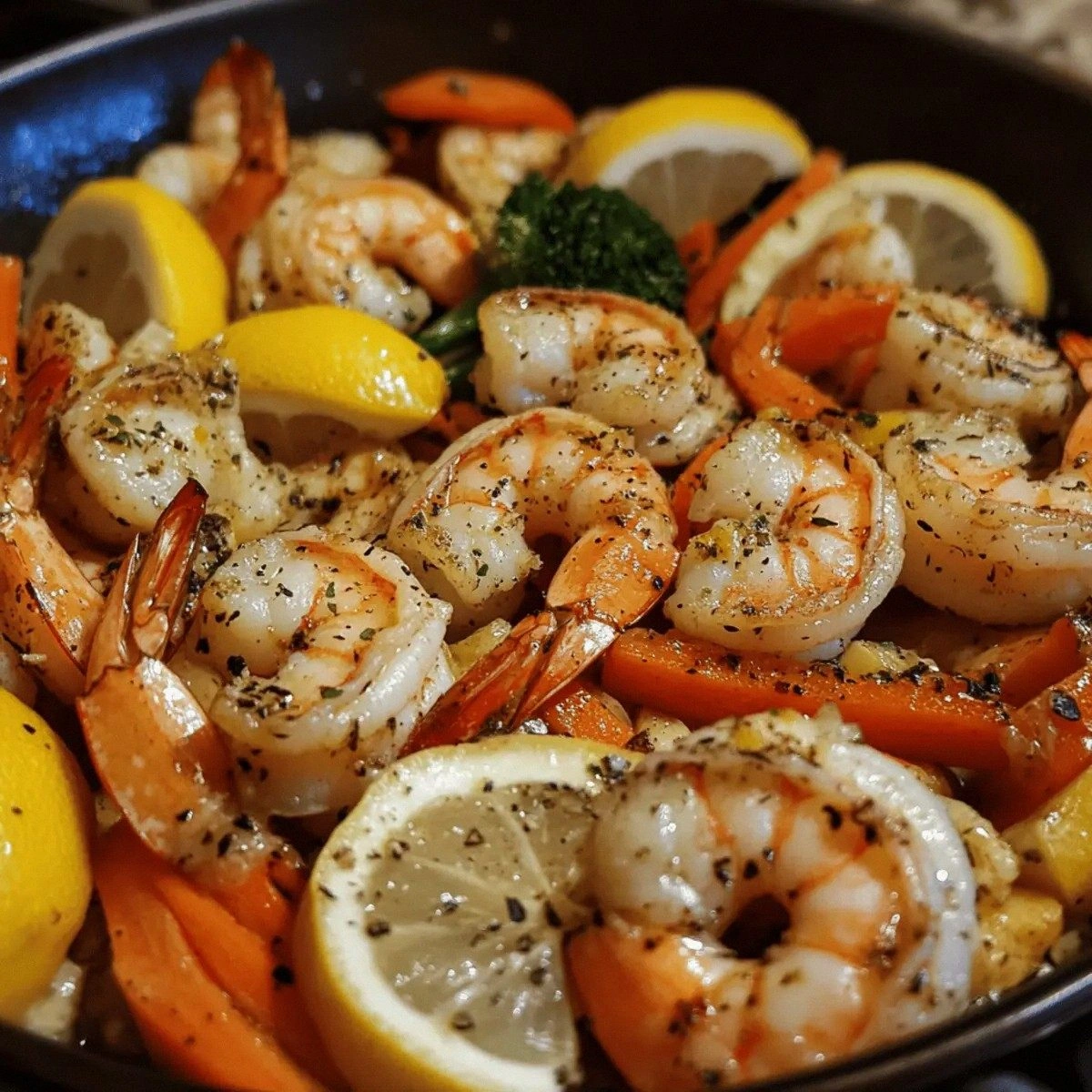
Picture the aroma: bright lemon zest mingling with roasted garlic, the green pop of fresh parsley, and the subtle sweetness of cherry tomatoes. The sound is a satisfying sizzle as the shrimp hits the hot pan, a symphony of “sizzle” and “pop.” The texture ranges from the crisp edges of the veggies to the tender, buttery shrimp. The taste is a bright citrus tang, a savory umami punch, and a gentle heat from red pepper flakes. The feeling? A warm, comforting hug that feels like a summer breeze in a bowl.
What makes this version stand out is that it’s a one‑pan wonder that doesn’t sacrifice flavor for convenience. It balances protein, vegetables, and cheese in a single pan, eliminating the need for extra pots and pans. The shrimp stays juicy, the veggies keep their color, and the Parmesan melts into a silky coating. I dare you to taste this and not go back for seconds. It’s a flavor explosion that will have you craving a repeat.
I’ve experimented with countless shrimp recipes, but this one hits a sweet spot between simplicity and gourmet. The secret lies in the timing—sautéing the shrimp just enough so that they’re cooked but not rubbery, then letting the veggies finish their job in the same pan. The lemon‑garlic broth creates a sauce that clings to everything like velvet. It’s a dish that feels like a party in your mouth, with every bite a new burst of flavor. And best of all? It’s ready in under 45 minutes.
This recipe also boasts a wow factor that’s perfect for guests. The vibrant colors of bell peppers, zucchini, and cherry tomatoes make it Instagram‑ready. The aroma alone will draw people into the kitchen. The dish is a crowd‑pleaser that can be scaled up for a dinner party or kept small for a quick weeknight. It’s a win‑win for taste, presentation, and time.
Let me walk you through every single step — by the end, you’ll wonder how you ever made it any other way. From the first garlic clove to the final sprinkle of Parmesan, we’ll cover every nuance. I’ll share the trick to keep shrimp tender, the secret to preventing veggies from turning mushy, and the exact moment to add the lemon for maximum brightness. This isn’t just a recipe; it’s a culinary lesson in balance and timing. Get ready to elevate your shrimp game.
What Makes This Version Stand Out
- Taste: The first thing you notice is the bright, citrusy zing that cuts through the savory shrimp. The lemon juice is the star, but the garlic and red pepper flakes provide depth and a gentle kick. Together, they create a flavor profile that feels both fresh and comforting.
- Texture: The shrimp stay tender and juicy, not rubbery, thanks to precise timing. The bell peppers and zucchini develop a slight char that adds a pleasant bite, while the cherry tomatoes burst with juiciness. The Parmesan creates a silky coating that ties everything together.
- Simplicity: All the ingredients are tossed into one pan, eliminating cleanup. The cooking process is straightforward: sauté garlic, add shrimp, then veggies. No need for complex sauces or multiple pots.
- Uniqueness: Unlike typical shrimp dishes that rely on butter or heavy cream, this version uses lemon and olive oil for a lighter, brighter flavor.
- Crowd Reaction: Friends who’ve tried it say the dish is “restaurant‑quality” but home‑made. The vibrant colors and aroma make it a showstopper.
- Ingredient Quality: Using fresh, high‑quality shrimp and seasonal veggies makes a noticeable difference.
- Cooking Method: The pan‑sauté technique ensures even cooking and a caramelized finish.
- Make‑Ahead Potential: You can prep the veggies ahead of time and store them in the fridge; the shrimp can be added fresh when ready.
Inside the Ingredient List
The Flavor Base
The lemon juice and olive oil form the liquid foundation that lifts every bite. The acid brightens the dish, while the oil carries the aromatics and keeps the shrimp moist. Together they create a silky, citrusy sauce that coats the veggies and shrimp like a velvet blanket. Skipping this step would leave the dish flat and uninspired.
The Color Crew
Bell peppers, zucchini, and cherry tomatoes bring a rainbow of hues that make the plate pop visually. Their natural sugars caramelize slightly, adding a sweet contrast to the sharp lemon. Each vegetable retains its crunch, ensuring a varied mouthfeel. If you’re short on one, swap it for another seasonal veggie for the same effect.
The Freshness Factor
Fresh parsley or basil adds a bright herbal note that lifts the entire dish. It’s the final flourish that ties the flavors together and adds a pop of green that’s both pleasing to the eye and the palate. If you’re out of fresh herbs, a pinch of dried oregano can substitute, though the aroma will be less vibrant.
The Crunch Component
Red pepper flakes inject a subtle heat that balances the citrus. They also provide a slight crunch when you bite into the shrimp, adding texture. The flakes’ spiciness can be adjusted to suit your heat tolerance. Too many, and you risk overpowering the delicate shrimp; too few, and the dish feels mild.
The Final Flourish
Parmesan cheese adds a nutty, salty depth that rounds off the bright flavors. It melts into a silky coating that clings to the shrimp and veggies, giving the dish a luxurious finish. A sprinkle of grated cheese also adds a pleasing golden sheen. If you’re dairy‑free, a sprinkle of nutritional yeast offers a similar umami boost.
The Method — Step by Step
- Heat a large skillet over medium‑high heat and let it get hot enough that a drop of water sizzles on contact. This initial sear is key to locking in the shrimp’s natural juices. While the pan heats, pat the shrimp dry with paper towels to ensure a crisp exterior. Once hot, add a splash of olive oil, swirling to coat the surface evenly. The oil should shimmer, not smoke, indicating the right temperature.
- Add the minced garlic to the pan and let it bloom for 30 seconds, just until fragrant. Be careful not to let it burn, or the dish will taste bitter. The garlic’s aroma should mingle with the sizzling oil, creating a fragrant base that will carry through the rest of the flavors. As it cooks, the garlic turns a golden hue, signaling it’s ready to move on.
- Introduce the shrimp, arranging them in a single layer to ensure even cooking. Cook for 2 minutes on one side, then flip. The shrimp should be pink and opaque, with a slight blush at the edges. Don’t overcrowd the pan; if needed, cook in batches to preserve the sizzle. Once cooked, remove the shrimp and set aside on a plate to keep warm.
- Add the bell peppers, zucchini, and red onion to the same skillet, stirring to coat them in the garlic‑olive oil mixture. Cook for about 4 minutes, allowing the veggies to soften yet retain a slight bite. The colors should deepen, giving the dish a vibrant, almost sunset‑like appearance. If the pan starts to dry out, add a splash of water or more olive oil.
- Return the shrimp to the skillet along with the cherry tomatoes, and pour in the lemon juice. Stir everything together, letting the acidity bloom and coat the ingredients. Sprinkle in the red pepper flakes, salt, and black pepper, adjusting to taste. The mixture should bubble gently, forming a fragrant, citrusy sauce.
- Reduce the heat to medium and let the mixture simmer for 2 minutes, allowing the sauce to thicken slightly. Sprinkle the grated Parmesan over the top, letting it melt into a silky coating that clings to each piece. Give everything one final stir to ensure even distribution of the cheese. The dish should feel cohesive, with every component complementing the others.
- Plate the shrimp and vegetables onto a serving platter or individual bowls. Garnish with a final sprinkle of fresh herbs and a drizzle of olive oil if desired. The aroma should be irresistible, and the colors should make your eyes water in anticipation. Serve immediately, and watch as the crowd reaches for seconds.
Insider Tricks for Flawless Results
The Temperature Rule Nobody Follows
Many cooks think medium heat is enough, but a higher heat is essential for a quick sear that locks in moisture. Keep the pan hot enough that the shrimp sizzles on contact. If the shrimp steam instead, the texture will be soggy. A hot pan also caramelizes the vegetables, adding a subtle sweetness.
Why Your Nose Knows Best
Before adding the lemon, pause and inhale the aroma. The citrus should be bright and sharp, not muted. If the scent feels flat, the lemon might be old or the pan too cool. A fresh burst of lemon aroma signals that the sauce will be vibrant.
The 5‑Minute Rest That Changes Everything
After cooking, let the dish rest for 5 minutes off the heat. This allows the flavors to meld and the sauce to thicken slightly. The shrimp will finish cooking in its own residual heat, ensuring they’re perfectly tender. Skipping this step can leave the shrimp slightly raw in the center.
Don’t Skimp on the Garlic
Garlic is the backbone of this dish. Use fresh cloves rather than pre‑minced, as the latter can be overly bitter. Mince the garlic finely to release its oils without overpowering the shrimp. If you love a stronger garlicky bite, add a pinch more.
Season Early, Season Often
Salt and pepper should be added in stages. Season the shrimp before cooking to help them brown. Add a pinch of salt when sautéing the veggies to draw out moisture. Finish with a final seasoning before serving to ensure balanced flavor.
Creative Twists and Variations
Spicy Cajun Kick
Swap the red pepper flakes for Cajun seasoning and add a splash of hot sauce. This variation adds smoky heat that pairs wonderfully with the lemon. The shrimp will carry a deeper, spicier profile, making it a hit for those who love bold flavors.
Herb‑Infused Mediterranean
Replace parsley with fresh oregano and add a handful of kalamata olives. The olives lend a briny depth, while oregano brings a piney aroma. This Mediterranean twist transforms the dish into a light, savory Mediterranean plate.
Asian Fusion Twist
Use soy sauce and a dash of sesame oil instead of lemon juice. Add sliced bok choy and a sprinkle of toasted sesame seeds. The result is a bright, umami‑rich shrimp stir‑fry that feels like a quick takeout favorite.
Vegan Version
Replace shrimp with firm tofu cubes or tempeh, seasoned with a splash of soy sauce. The tofu will absorb the citrusy sauce and provide a satisfying bite. This plant‑based version retains the bright flavors while keeping it fully vegan.
Breakfast Boost
Serve the shrimp and veggies over a bed of fluffy scrambled eggs or a hearty grain like quinoa. This creates a protein‑packed breakfast that’s both satisfying and flavorful. The citrusy sauce lifts the eggs, turning a simple morning meal into a gourmet experience.
Low‑Carb Delight
Omit the cherry tomatoes and double the zucchini and bell peppers for a lower‑carb profile. The dish remains vibrant and flavorful, with the vegetables providing bulk and texture. It’s a perfect choice for keto or low‑carb enthusiasts.
Storing and Bringing It Back to Life
Fridge Storage
Store leftovers in an airtight container for up to 3 days. Keep the shrimp and veggies separate if you plan to reheat them later, as the shrimp can become rubbery when reheated with moisture. When ready to eat, reheat gently on the stove or in the microwave, adding a splash of water to steam back to perfection.
Freezer Friendly
Freeze the dish in a freezer‑safe container for up to 2 months. When defrosting, let it thaw overnight in the refrigerator. Reheat slowly on low heat, stirring frequently to maintain moisture and avoid overcooking the shrimp.
Best Reheating Method
The ideal method is to reheat on the stovetop over low heat, adding a tablespoon of water or broth to keep the sauce from drying out. Stir continuously until heated through, ensuring the shrimp regain their juiciness. Serve immediately for the best texture and flavor.