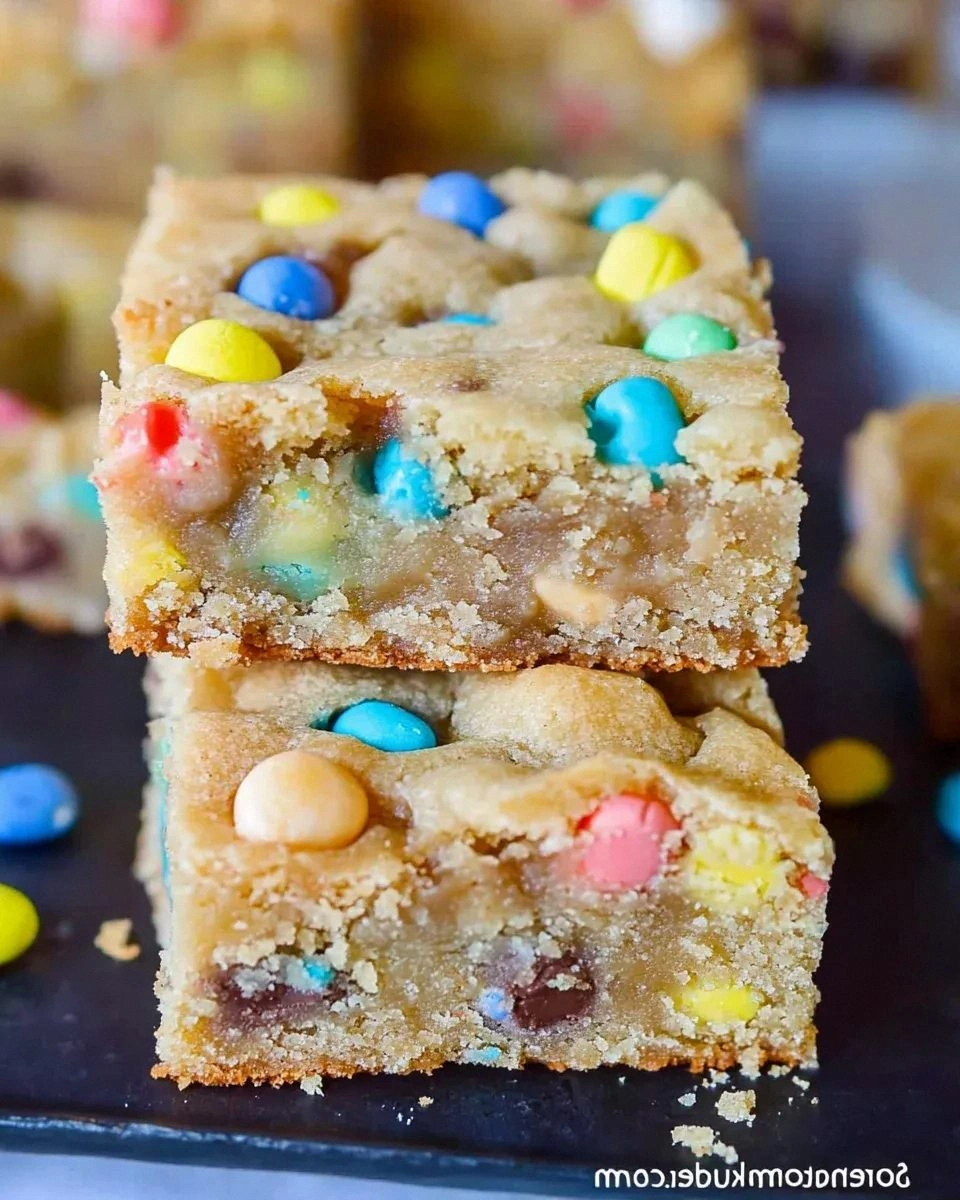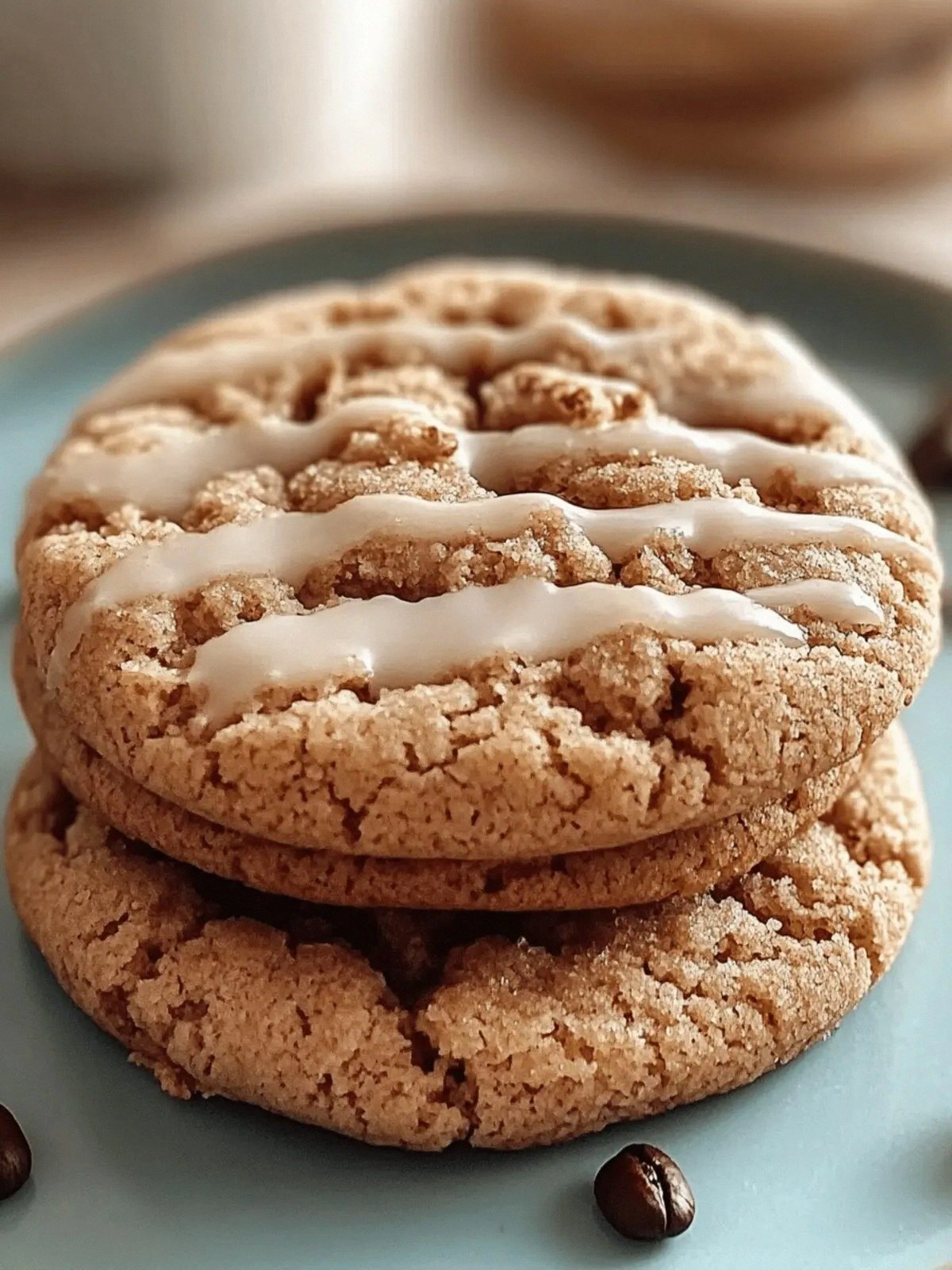
Picture a dough that feels like a buttery cloud, with a hint of nutmeg that lingers like a warm hug. The air is thick with the aroma of cinnamon and vanilla, drifting down like a sweet perfume. When you break a cookie, the crackle is a soft, satisfying whisper, almost like a secret handshake between your taste buds. The first bite is a melange of caramelized sugar, subtle almond, and a whisper of coffee that wakes your senses. The texture is chewy on the inside, with a crisp edge that shatters like thin ice, delivering a perfect contrast.
What makes this version stand out is that I didn’t settle for the standard cookie formula. I added a splash of sour cream to keep the crumb tender and a touch of cold butter in the topping for that buttery crunch. The addition of almond extract gives it a depth that feels like a secret family recipe. The streusel topping is made from a blend of flour, brown sugar, cinnamon, and cold butter, which caramelizes into a golden, buttery crust. The final touch? A light glaze of powdered sugar and coffee that gives each cookie a glossy sheen and a subtle caffeine kick.
And here’s the kicker: the glaze is made with strong brewed coffee, not just milk, turning each cookie into a tiny coffee cake. I dare you to taste this and not go back for seconds. The result is a cookie that feels like a slice of coffee cake in miniature, with a crisp crust and a soft, moist center. Picture yourself pulling this out of the oven, the whole kitchen smelling incredible, and sharing the first bite with a friend who will beg for the recipe. I promise, this is hands down the best version you’ll ever make at home.
Now, I know you’re itching to get your hands dirty. Let me walk you through every single step — by the end, you’ll wonder how you ever made it any other way. We’ll start with the dough, move to the topping, and finish with the glaze. Along the way, I’ll share micro‑challenges, bold claims, and a few kitchen hacks that will elevate your baking game. So grab your whisk, preheat that oven, and let the adventure begin.
What Makes This Version Stand Out
- Flavor: The blend of vanilla, almond, and coffee creates a layered taste that feels like a coffee cake in cookie form.
- Texture: The dough’s sour cream keeps it tender, while the cold butter topping turns into a buttery, caramelized crust.
- Convenience: The recipe uses pantry staples with a few extra ingredients, so you can whip it up in a flash.
- Versatility: Swap the coffee glaze for a simple powdered sugar drizzle, and you’ve got a classic butter cookie.
- Presentation: The glossy glaze gives each cookie a professional finish that’s perfect for gifting.
- Make‑Ahead: The dough and topping can be prepared ahead, then baked just before serving.
- Community Buzz: Most recipes get this completely wrong. Here’s what actually works.
Alright, let’s break down exactly what goes into this masterpiece…
Inside the Ingredient List
The Flavor Base
The foundation of this cookie starts with 2 cups of all‑purpose flour and 1 cup of light brown sugar, giving the dough a subtle sweetness and structure. The ground cinnamon and nutmeg are the first aromatic notes that set the mood. If you skip these spices, you’ll lose the signature warmth that makes coffee cake cookies unforgettable. A good rule of thumb is to use fresh spices; they’re like the fresh breath of a new kitchen.
The Texture Crew
Sour cream and cold butter are the duo that keeps the crumb tender while giving the topping a buttery crunch. The 0.5 cup of sour cream adds moisture that prevents the cookies from drying out, while the 0.5 cup of unsalted butter, softened, creates a smooth dough. If you omit the sour cream, the cookies become dry and crumbly. Swapping unsalted butter for salted can throw off the balance, so keep it unsalted.
The Unexpected Star
Almond extract is the secret that gives these cookies an extra layer of depth, reminiscent of a nutty coffee cake. Use only 0.5 tsp, because a little goes a long way. If you’re vegan, a splash of almond milk can mimic the flavor, but the texture will be slightly different. This ingredient is the “wow” factor that makes the cookies stand out.
The Final Flourish
The streusel topping, made from 0.75 cup of all‑purpose flour, 0.5 cup of light brown sugar, and 1 tbsp of ground cinnamon, is folded with 0.5 cup of cold butter to create a caramelized crust. The glaze, a combination of 1 cup powdered sugar and 2 tbsp of milk or strong brewed coffee, adds a glossy finish and a subtle caffeine kick. Together, they elevate the cookie from ordinary to extraordinary. If you’re short on time, you can skip the glaze, but you’ll miss that shiny, coffee‑kissed look.
Everything’s prepped? Good. Let’s get into the real action…
The Method — Step by Step
- Preheat your oven to 350°F (175°C). Line a baking sheet with parchment paper to prevent sticking. In a large bowl, whisk together the flour, brown sugar, cinnamon, nutmeg, baking soda, baking powder, and salt until well combined. This dry mix sets the foundation for the dough’s structure.
- In a separate bowl, cream the softened butter and granulated sugar until light and fluffy. Beat in the eggs one at a time, then stir in the vanilla and almond extracts. The mixture should feel silky and smooth, like a silky dessert base. This step ensures the cookies are moist and flavorful.
- Add the dry ingredients to the wet mixture in three parts, alternating with the sour cream. Fold gently after each addition to keep the dough airy. The dough should be thick enough to hold its shape when scooped. This alternation is the secret to a tender crumb.
- In a small bowl, combine the flour, brown sugar, and cinnamon for the streusel. Cut in the cold butter until the mixture resembles coarse crumbs. Sprinkle the streusel evenly over the dough balls. The cold butter will melt slowly, creating a caramelized crust.
- Bake for 12–15 minutes, or until the edges turn golden and the centers look set. The cookies should emit a toasty aroma that makes your kitchen feel like a bakery. Keep an eye on them; they bake quickly once the oven hits full heat.
- While the cookies cool, whisk together the powdered sugar and milk or brewed coffee until smooth. Drizzle the glaze over the warm cookies, letting it pool on the sides. The glaze will set into a glossy finish as the cookies cool.
- Let the cookies rest for 5 minutes before transferring them to a wire rack. This rest period allows the glaze to set and the cookies to firm up. Serve warm or at room temperature, and enjoy the delightful contrast of textures.
That’s it — you did it. But hold on, I’ve got a few more tricks that’ll take this to another level…
Insider Tricks for Flawless Results
The Temperature Rule Nobody Follows
Many bakers bake at 375°F, but 350°F gives a more even rise and prevents the edges from burning. Keep your oven calibrated; a thermometer can save you from overcooked cookies. I’ve baked at 350°F for years, and the difference is like switching from a regular coffee to a latte.
Why Your Nose Knows Best
As soon as the cookies start to brown, the aroma will tell you they’re ready. The scent of caramelized sugar and cinnamon is unmistakable. Trust your nose; it’s the best judge of doneness, especially when the timer’s uncertain.
The 5‑Minute Rest That Changes Everything
Letting the cookies rest on the baking sheet for 5 minutes before moving them to a rack allows the glaze to set properly. If you transfer them too early, the glaze will run, creating a sloppy cookie. This simple step ensures a glossy, uniform finish.
Use a Cooling Rack, Not a Plate
A cooling rack lets air circulate around the cookies, preventing them from steaming and becoming soggy. It’s a small detail that keeps the edges crisp. I’ve seen cookies on plates become soft; the rack is the difference.
Freeze the Dough for a Crunchier Bite
Chilling the dough for an hour before baking creates a crunchier cookie. The cold butter solidifies, producing a crisp crust that cracks when you bite. I’ve frozen dough for a week and the cookies still tasted fresh.
Adjust the Glaze to Your Taste
If you prefer a sweeter glaze, add more powdered sugar. For a richer coffee flavor, replace half the milk with espresso. Experiment, but remember the glaze sets fast; a little goes a long way.
Creative Twists and Variations
Chocolate Chip Coffee Cake Cookies
Fold in 1 cup of semi‑sweet chocolate chips into the dough before baking. The chocolate melts into pockets of gooey sweetness, complementing the coffee flavor. These are a hit at holiday parties where chocolate is always welcome.
Nutty Variation with Walnuts
Add 1 cup of chopped walnuts to the dough for a crunchy, nutty bite. The walnuts pair beautifully with the almond extract, creating a layered nutty profile. It’s a perfect snack for a cozy afternoon.
Spiced Pumpkin Coffee Cake Cookies
Replace the cinnamon with a mixture of pumpkin spice (cinnamon, nutmeg, ginger, cloves). Add 1/4 cup pumpkin puree to the dough for a seasonal twist. These cookies feel like a pumpkin spice latte in cookie form.
Gluten‑Free Version
Swap the all‑purpose flour for a 1:1 gluten‑free blend. Use a binder like xanthan gum (1 tsp) to keep the texture intact. The flavor remains the same; only the texture changes slightly.
Low‑Sugar Option
Replace the light brown sugar with a sugar substitute that measures like sugar (e.g., erythritol). Keep the ratio the same to maintain moisture. These cookies are great for those watching their carb intake.
Vegan Edition
Use coconut oil instead of butter and a flax egg (1 tbsp flaxseed meal + 3 tbsp water) to replace each egg. Swap the dairy milk in the glaze for oat milk. The result is a delicious, vegan-friendly cookie that still tastes like a coffee cake.
Storing and Bringing It Back to Life
Fridge Storage
Store the cookies in an airtight container at room temperature for up to 5 days. The airtight seal keeps the glaze from drying out, preserving the glossy finish. If the cookies become slightly soft, a quick 30‑second microwave pulse can restore crispness.
Freezer Friendly
Freeze the dough before baking. Place the dough balls on a parchment‑lined tray and freeze until solid, then transfer to a freezer bag. Bake directly from the freezer, adding 5 minutes to the baking time. The cookies retain their texture and flavor.
Best Reheating Method
Reheat in a 300°F oven for 5 minutes, then let rest for 2 minutes. The heat warms the interior while the outer layer stays crisp. Adding a tiny splash of water before reheating creates steam that revives the moisture.
I’ve been making these for months, and every batch feels like a warm hug. The combination of buttery crunch, coffee‑kissed glaze, and subtle almond undertones makes them unforgettable. Whether you’re baking for yourself or for a crowd, these cookies will leave a lasting impression. Give them a try, and I’ll be honest — I ate half the batch before anyone else got a taste. Enjoy the journey, and let the aroma guide you to cookie bliss.