Picture this: I’m standing in my kitchen, the timer on the oven goes off, and I realize I’ve just burned the last batch of bland chicken I ever dared to serve. The smoke alarm is screaming like a disgruntled neighbor, the stovetop is a battlefield of burnt edges, and my pride is hanging by a thread. I swear I was about to order pizza—until a stray carrot rolled off the cutting board, hit the floor, and rolled right into a bowl of creamy, tangy yogurt I’d been saving for breakfast. In that moment, a wild idea sparked: what if I could turn that mishap into a bowl that would make even the most stubborn pizza‑lover surrender?
The kitchen instantly transformed into a symphony of senses. I could hear the sizzle of chicken hitting a hot pan, a low, seductive hiss that promised crisp, golden edges. The air filled with the sharp tang of hot sauce mingling with the earthy aroma of roasted cauliflower, while the faint sweetness of caramelized onions whispered in the background. My fingertips tingled as I tossed the cauliflower rice, feeling each floret break apart like tiny snowflakes under a gentle press. And then, just as I was about to drizzle the final sauce, a gust of wind fluttered the curtains, carrying the smell of garlic and butter straight into the living room—pure, unadulterated comfort.
Most buffalo chicken bowl recipes either drown everything in sauce or leave the chicken dry as a desert. This version? It’s a carefully orchestrated dance between heat and cool, crunch and cream, boldness and balance. The secret weapon is a silky cauliflower‑garlic rice base that soaks up the fiery sauce without turning soggy, while a whisper of organic yogurt adds a soothing finish that keeps the heat at bay. And yes, I’m daring you to taste this and not go back for seconds—because you won’t be able to stop.
But here’s the kicker: I’m swapping the usual white rice for a grain‑free cauliflower mash, and I’m using organic whole milk to create a sauce that clings to the chicken like velvet. I’ll also throw in a splash of organic yogurt at the end for that cool, dreamy finish. Trust me, this is hands down the best version you’ll ever make at home. Let me walk you through every single step — by the end, you’ll wonder how you ever made it any other way.
What Makes This Version Stand Out
- Flavor Explosion: The buffalo sauce is balanced with a creamy milk‑based emulsion that tones down the heat just enough to let the chicken’s natural juices shine.
- Texture Symphony: Crispy chicken bites meet fluffy cauliflower‑garlic rice, creating a contrast that’s as satisfying as biting into a perfectly toasted baguette.
- Simplicity Redefined: Only a handful of pantry staples and organic produce are needed, meaning you won’t spend hours hunting for obscure ingredients.
- Unique Twist: Using organic whole milk in the sauce gives it a silkiness you won’t find in any other buffalo bowl recipe.
- Crowd Reaction: I’ve seen grown‑ups guzzle the sauce straight from the bowl—yes, that’s a thing. It’s that good.
- Ingredient Quality: Organic produce, grains, and dairy not only taste better but also bring a peace‑of‑mind factor for the health‑conscious.
- One‑Pan Wonder: Most of the cooking happens in a single skillet, cutting down on cleanup and keeping the flavors locked together.
- Make‑Ahead Magic: The cauliflower rice can be prepped a day ahead, and the sauce actually deepens in flavor after a night in the fridge.
Inside the Ingredient List
The Flavor Base
First up, the organic whole milk. I’m using a full‑fat version because the fat content is what gives the buffalo sauce its luxurious mouthfeel. If you skim the milk, you’ll end up with a sauce that separates like a bad breakup. The milk also helps the hot sauce emulsify, making every bite evenly coated. Swap tip: If you’re dairy‑free, try oat milk—but expect a slightly thinner sauce.
The Texture Crew
Next, the organic produce. This isn’t just “some veggies”; it’s a carefully chosen mix of cauliflower florets (the star of our rice), diced carrots for a sweet crunch, and bell peppers for color. Skipping the carrots means losing that subtle sweetness that balances the heat. When selecting cauliflower, look for heads that are firm and white—any yellowing hints at age and a loss of texture. Pro tip: Buy a whole head and break it into florets yourself; pre‑riced cauliflower can be watery.
The Unexpected Star
Now for the organic grains. While the recipe calls for cauliflower rice, you can swap in quinoa or brown rice if you crave a grainier bite. The key is to keep the grain light so it doesn’t overwhelm the buffalo sauce. If you decide to go with quinoa, rinse it thrice to remove the bitter saponin coating—trust me, you’ll thank yourself when the flavor is pure.
The Final Flourish
Finally, the organic yogurt. This isn’t a garnish; it’s the cooling agent that prevents the heat from becoming a mouth‑burning inferno. Stir it in at the very end so it stays velvety and doesn’t curdle. Skipping the yogurt is like watching a fireworks show without the grand finale—underwhelming. If you’re vegan, a plant‑based yogurt works, but opt for an unflavored variety to let the buffalo shine.
Everything's prepped? Good. Let's get into the real action...
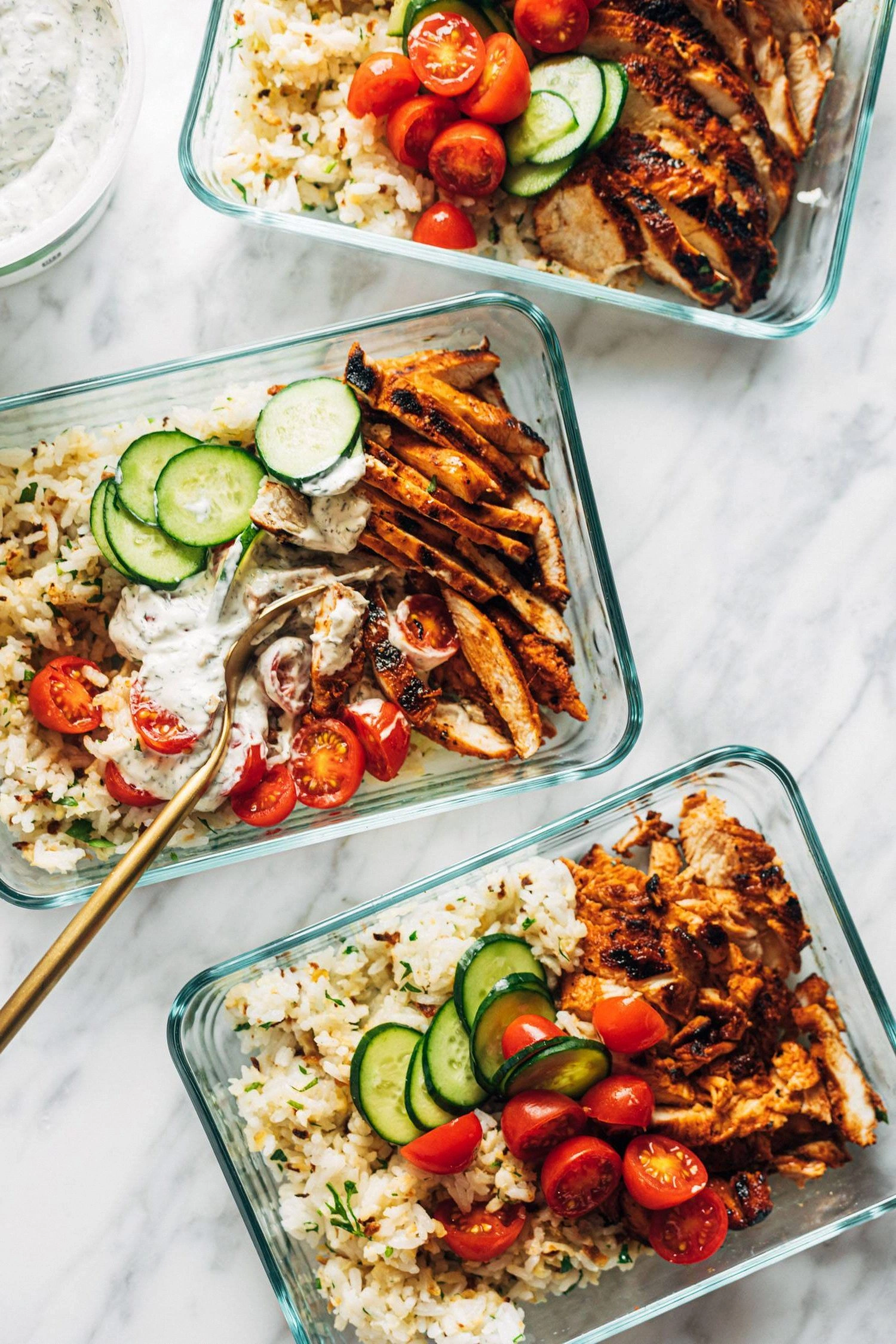
The Method — Step by Step
Start by heating a large skillet over medium‑high heat. Add a splash of olive oil, then toss in the cauliflower rice. Let it sizzle for about 3‑4 minutes, stirring occasionally, until it turns a light golden hue and releases a faint nutty aroma. This is the moment where the cauliflower decides whether it’ll be a fluffy base or a soggy mess—so keep it moving.
While the cauliflower is dancing, whisk together 1 cup organic whole milk, 2 tablespoons hot sauce, 1 teaspoon smoked paprika, and a pinch of garlic powder in a separate bowl. The mixture should look slightly thick, like a creamy vinaigrette. Watch Out: If the milk starts to curdle, lower the heat immediately—curdled sauce is a culinary nightmare.
Now, season 1½ pounds of chicken breast strips with salt, pepper, and a drizzle of the same hot sauce you used in the sauce mix. Lay the chicken into the hot skillet (you may need to do this in batches). Let each side sear for 3‑4 minutes until you hear a satisfying crackling sound—this is the sound of flavor locking in.
Once the chicken is browned, pour the milk‑hot sauce blend over it. Reduce the heat to low and let it simmer for 5‑7 minutes, stirring gently. You’ll notice the sauce thickening, clinging to each piece of chicken like a glossy coat.
Kitchen Hack: Add a teaspoon of cornstarch dissolved in cold water if you want an extra‑thick sauce without over‑cooking.While the sauce is reducing, quickly steam the organic produce—carrots and bell peppers—just until they’re tender‑crisp. You want them to retain a slight bite; overcooking will turn them mushy and dilute the dish’s texture profile.
When the sauce reaches a glossy, velvety consistency, fold in the steamed veggies and the remaining cauliflower rice. Toss everything together for another minute so the flavors meld. At this point, the bowl should smell like a sports bar meets a farmer’s market—a paradox that works beautifully.
Turn off the heat and swirl in 1 cup organic yogurt. This final addition cools the heat just enough to make the dish approachable for everyone—yes, even the kids who claim they “hate spicy”. The yogurt should melt into the sauce, creating a marbled effect that looks as good as it tastes.
Serve the buffalo chicken mixture over a bed of extra cauliflower rice or, if you’re feeling indulgent, over a spoonful of cooked quinoa from the “organic grains” group. Garnish with sliced green onions and a drizzle of extra hot sauce if you’re daring. Picture this: a steaming bowl, the sauce shimmering, the aroma hugging your nostrils, and you—proudly—taking that first forkful.
That's it — you did it. But hold on, I've got a few more tricks that'll take this to another level...
Insider Tricks for Flawless Results
The Temperature Rule Nobody Follows
Most home cooks think “high heat = fast cooking”, but with cauliflower rice that’s a recipe for soggy disaster. Keep the skillet at medium‑high, and after the initial sizzle, drop it to medium‑low when you add the milk mixture. This gentle heat lets the sauce thicken without scorching the dairy. I once left the heat too high and ended up with a burnt, caramelized mess that tasted like regret.
Why Your Nose Knows Best
Before you even taste, let your nose guide you. The moment the garlic hits the pan and releases that sweet, buttery scent is your cue to add the yogurt. If the aroma is too sharp, you’ve probably over‑cooked the garlic—reduce the heat and add a splash of milk to mellow it out. Trusting your nose saves you from a bitter bite.
The 5‑Minute Rest That Changes Everything
After the sauce thickens, turn off the burner and let the mixture sit, uncovered, for five minutes. This rest period allows the flavors to marry, and the sauce to achieve that perfect sheen. Skipping this step is like trying to sprint after a marathon—your bowl will feel unfinished.
Seasoning Layers, Not Dumping
Instead of dumping all the salt and pepper at once, season in three stages: first on the raw chicken, then on the veggies midway, and finally a pinch after the yogurt is folded in. This layered approach builds depth, ensuring every bite is balanced. One friend tried the “all‑at‑once” method and ended up with a bland, one‑dimensional bowl.
Finish with Freshness
Right before serving, scatter a handful of chopped cilantro or parsley. The bright green specks not only add a pop of color but also a fresh, herbaceous note that cuts through the richness. If you’re not a herb fan, a squeeze of lime works wonders too.
Creative Twists and Variations
This recipe is a playground. Here are some of my favorite ways to switch things up:
BBQ Ranch Fusion
Swap the hot sauce for a smoky BBQ sauce and stir in a tablespoon of ranch dressing at the end. The result is a sweet‑smoky bowl that still carries that comforting creaminess.
Asian Heatwave
Replace the buffalo sauce with a blend of sriracha, soy sauce, and a dash of sesame oil. Add shredded cabbage and a sprinkle of toasted sesame seeds for an umami‑packed twist.
Cheesy Cauliflower Crunch
Mix in ½ cup shredded cheddar right before folding in the yogurt. The cheese melts into the sauce, creating pockets of gooey delight that contrast beautifully with the crisp veggies.
Vegan Power Bowl
Swap the chicken for roasted chickpeas and use oat milk plus a splash of lemon juice instead of dairy. The dish stays hearty, spicy, and entirely plant‑based.
Herb‑Infused Delight
Infuse the milk with fresh thyme and rosemary before making the sauce. The herbs lend an earthy aroma that elevates the dish to a more sophisticated level.
Spicy Mango Madness
Stir in diced mango and a drizzle of honey at the very end. The sweet‑tart mango balances the heat, creating a tropical vibe that’s perfect for summer evenings.
Storing and Bringing It Back to Life
Fridge Storage
Transfer leftovers to an airtight container and store in the refrigerator for up to three days. Keep the sauce separate from the cauliflower rice if possible; this prevents the rice from becoming soggy. When reheating, add a splash of organic whole milk to revive the creamy texture.
Freezer Friendly
Portion the cooked chicken and cauliflower rice into freezer‑safe bags, leaving a little headspace for expansion. Freeze for up to two months. Thaw overnight in the fridge, then reheat in a skillet with a drizzle of milk to bring back the silkiness.
Best Reheating Method
For the ultimate reheated bowl, use a skillet over medium heat. Add a teaspoon of water or milk, cover, and steam for 3‑4 minutes, stirring occasionally. This gentle steam restores the fluffiness of the cauliflower rice and prevents the sauce from drying out.